




Fight for Kindness Poster Exhibits Launch Nov 13 in 5 Cities
October 22, 2026

In the second half of her Stash guest editorial, Bianca Redgrave, managing director at Studio Private in London, looks at how AI should be embedded into production pipelines and hiring to future-proof post studios.
Bianca Redgrave: AI is an incredibly broad church, which is why the ‘why’ matters far more than the ‘what’. Too often the conversation collapses into individual tools or eye-catching outputs, rather than how intelligence is embedded across a process.
I find most accessible generative tools are designed to optimize for speed and cost. That’s not inherently a problem, but it comes with trade-offs. What’s often lost is authorship, nuance, and the accumulation of small creative decisions that give work depth and intention.
I’m not anti-AI, but we should be deliberate about how and where it’s used. I don’t see AI as an end point or a substitute for craft. The value sits in the space between an idea and its realization, where AI can help remove friction, accelerate exploration, or surface new possibilities without flattening creative judgment.
Post-production is inherently layered. Between concept and delivery sit many stages, disciplines, and decisions. AI can be part of that ecosystem, but only when it’s embedded thoughtfully and in service of the wider process. Used this way, it becomes a support structure.
Ultimately, AI should function like any other tool in the studio: it expands what’s possible when guided by human taste. When applied with care, it doesn’t automate creativity, it actually creates space for it.
Speaking as someone who spent two decades on the other side of the line, building bespoke teams that collaborated intensely from pre-production through the shoot, I’ve long felt that people in post-production are to-often hidden, voiceless, performing hammer-and-nail tasks, with every minute tracked like factory labor.
The key is to work with artists who are as engaged and passionate about the work as the directors themselves, and cultivate an environment where they are empowered to not just execute the idea, but fully realize the dream. With or without AI, artists, vision and passion are what matter most.
The answer is both, but not in the traditional sense.
Coming from a production background, I learned early on that you don’t build creative teams by stockpiling specialists ‘just in case.’ On set, you build for the brief. You assemble the right expertise at the right moment, in service of a specific creative ambition.
The focus should be on building a core team of neither generalists, nor specialists, but rather of visionaries who can adapt to a variety of briefs, understanding brand strategy, creative intent, and campaign KPIs. They respond with a creative treatment, and from there, you can assemble a bespoke team tailored to the project’s needs.
When I started working in post, I was told this formula wouldn’t work, that post houses needed rigid structures to function. In practice, the opposite has proven true.
This way of working has allowed Studio Private to stay agile, respond intelligently to different collaborators, and take on a more meaningful creative role alongside agencies, brands, and directors. It also reshapes collaboration. Rather than handing work down a pipeline, it repositions post companies as creative partners.
That leads to artists being supported in their careers, enjoying flexibility, and thriving in a collaborative environment. Together, you can then pivot when needed to bring ambitious creative visions to life without losing coherence or intent.
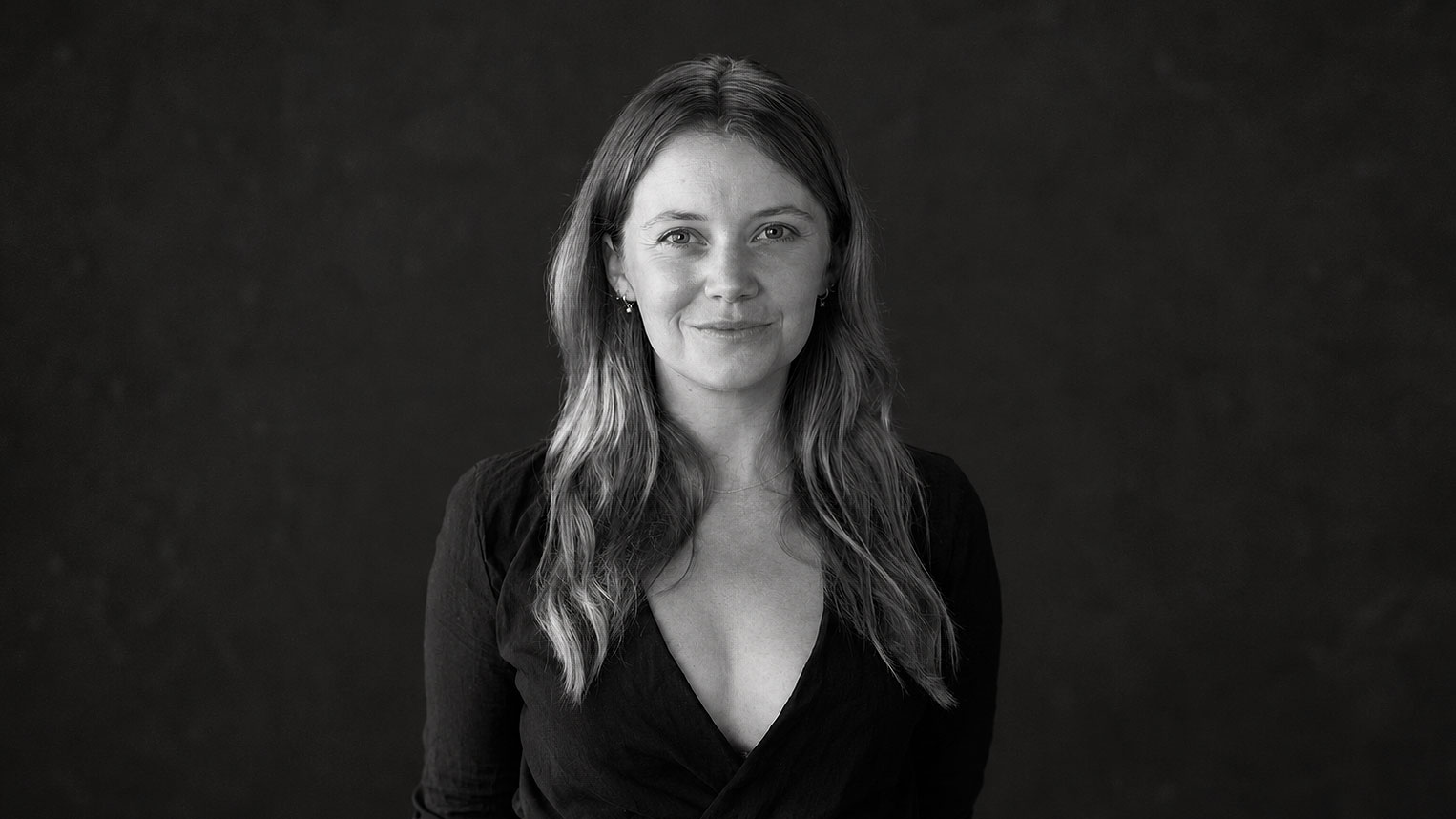
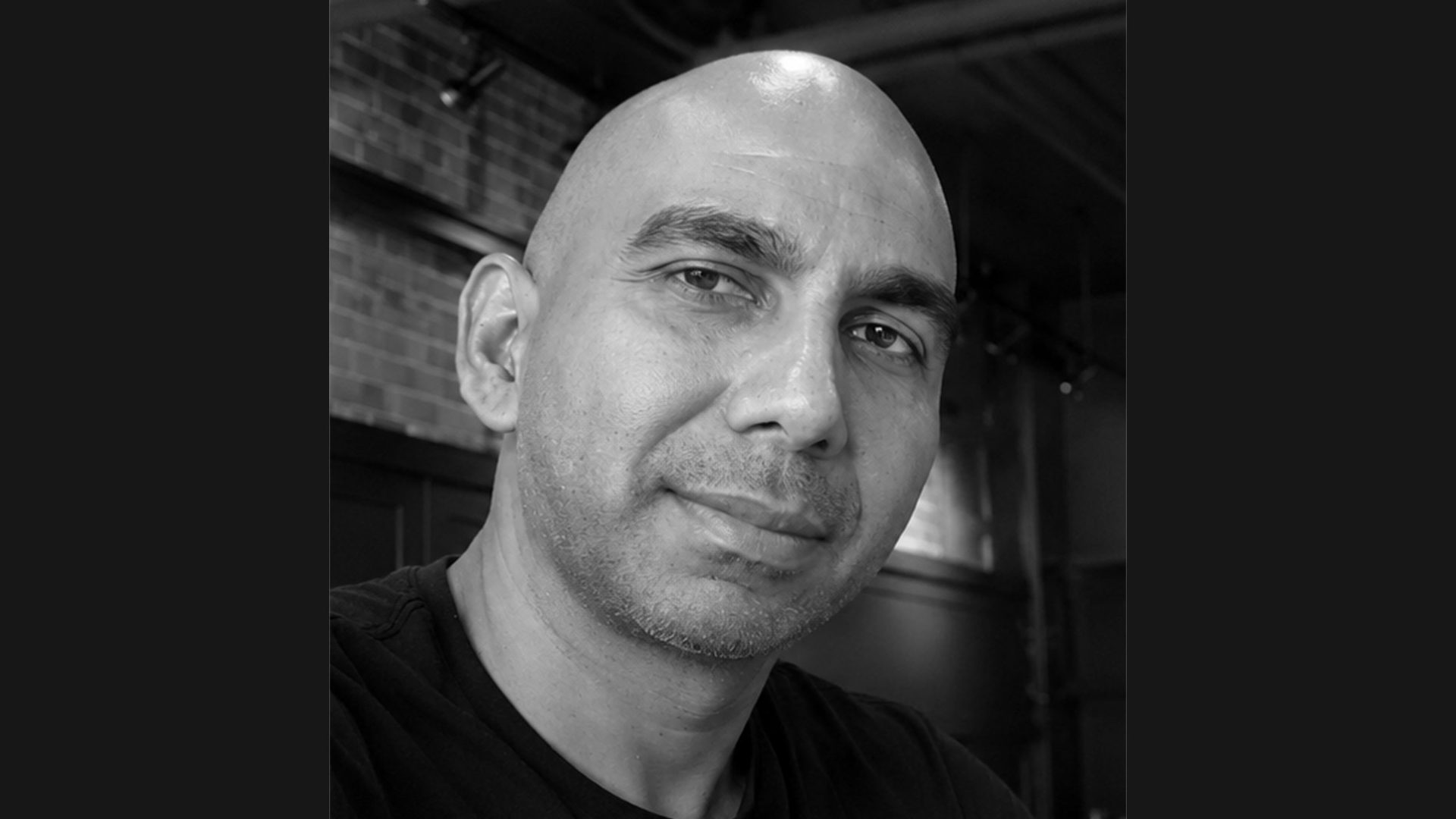
Bianca Redgrave is the managing director and creative services director at Studio Private in London.