Fight for Kindness Poster Exhibits Launch Nov 13 in 5 Cities
October 22, 2026
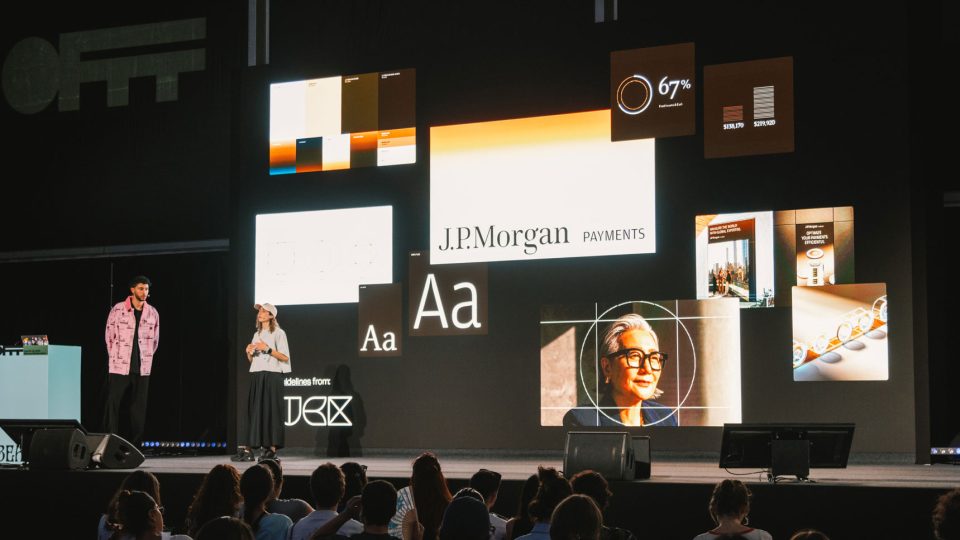
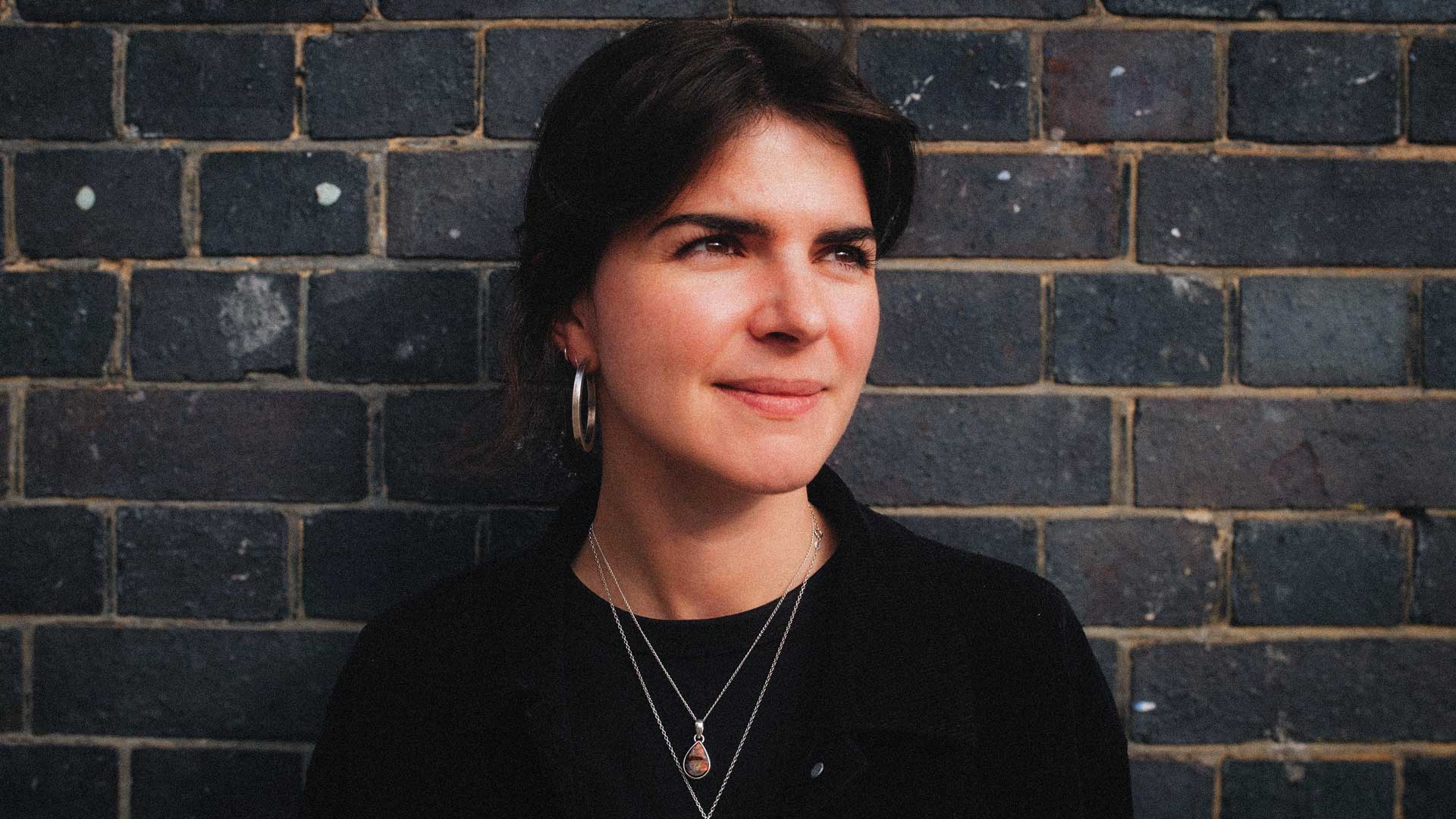
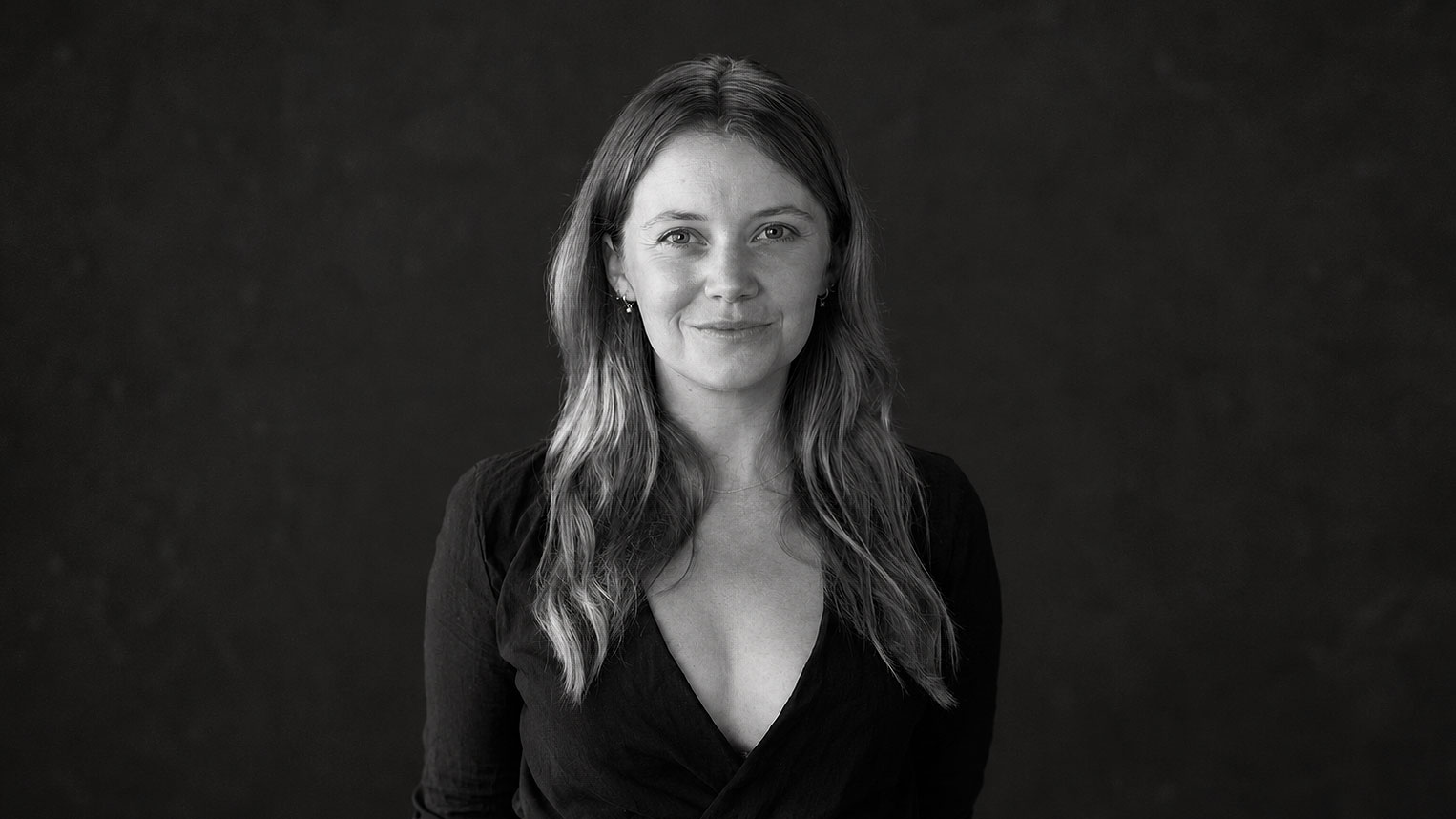
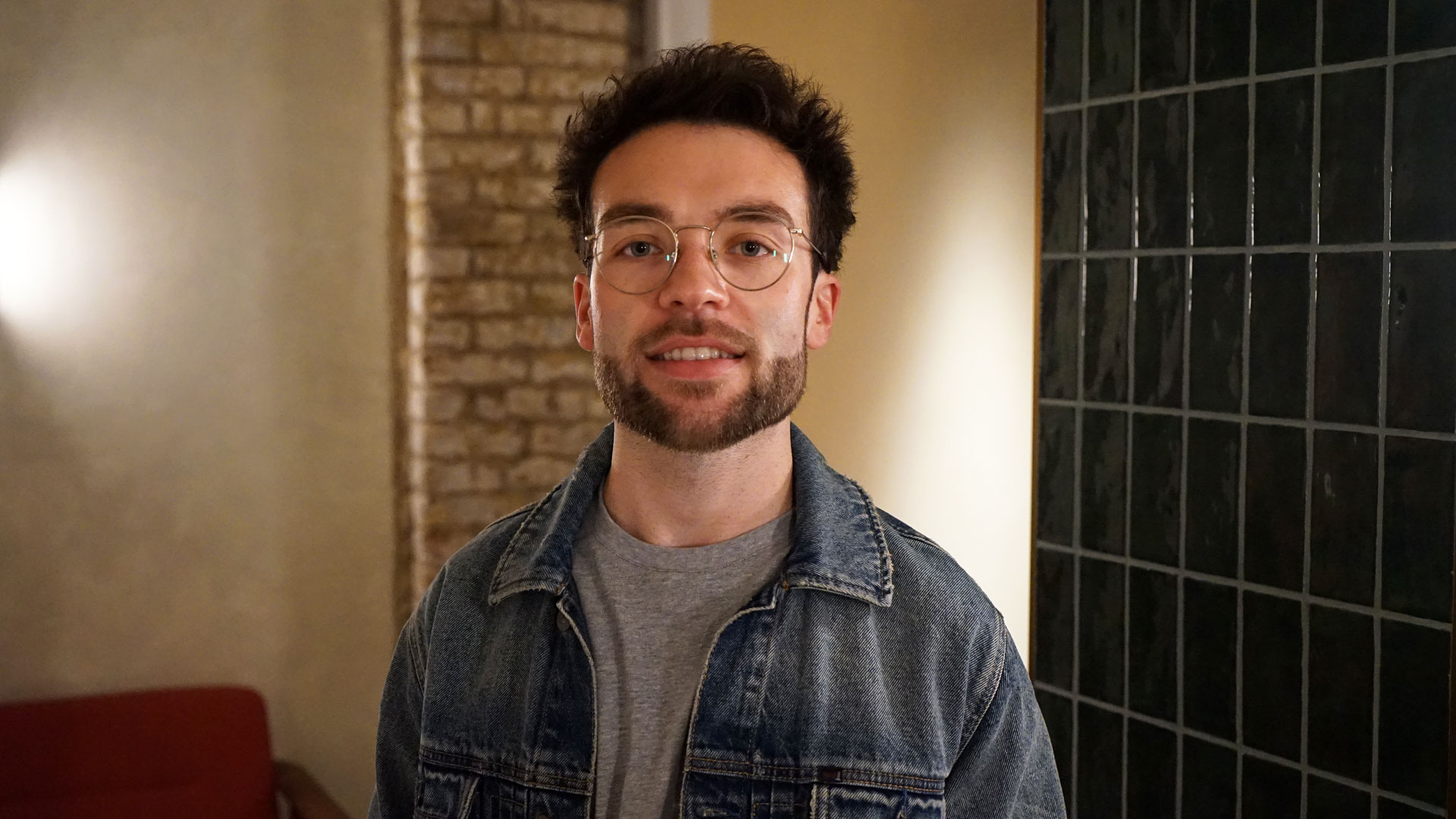
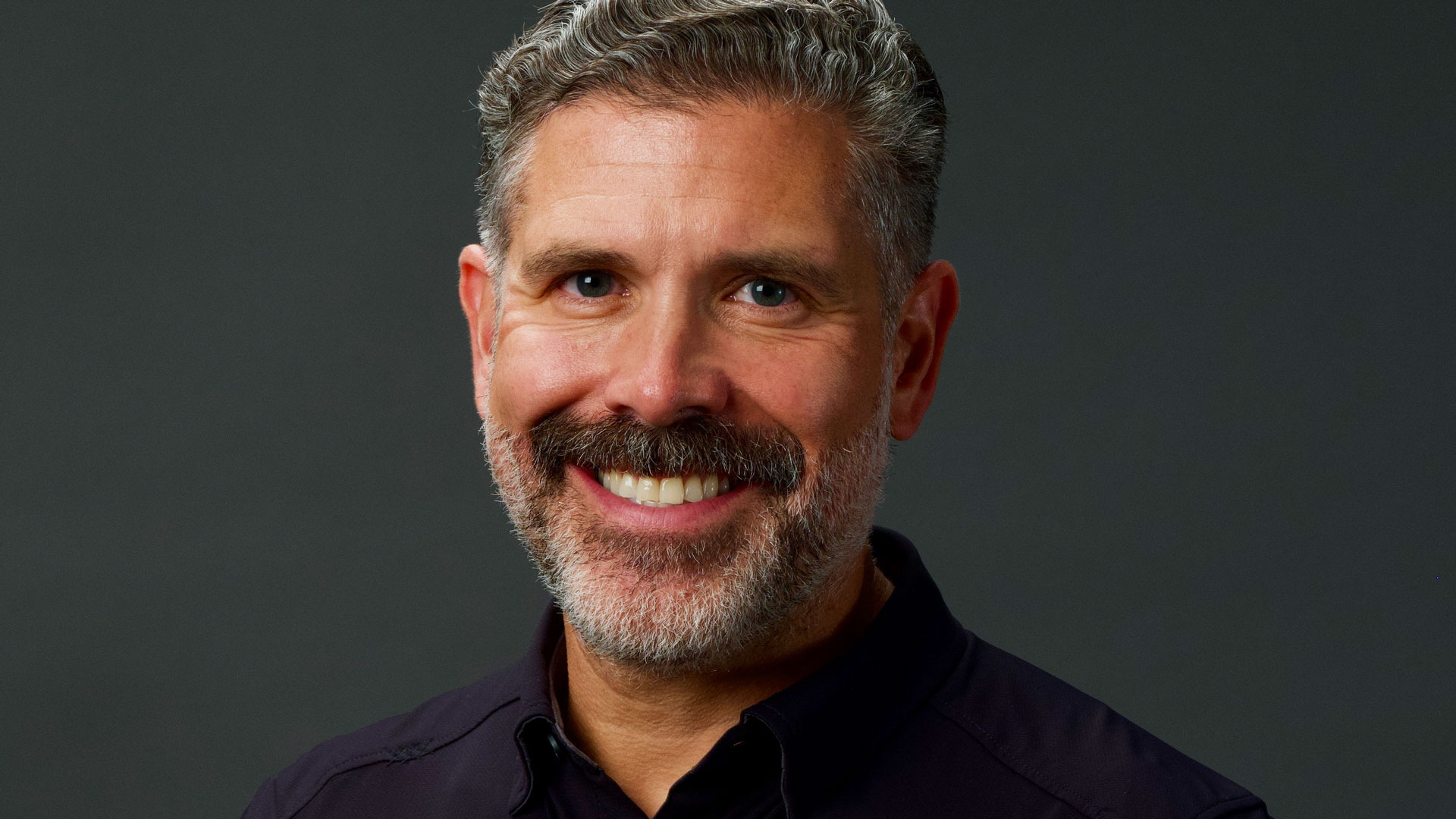
After covering NotReal’s work for over seven years (including in one of Stash’s most viewed posts ever), I had the opportunity to sit down with co-founders Valeria Moreiro and Milton Gonzalez at OFFF Barcelona 2026.
This follow-up interview with Valeria, provides timely insights for any of you wrestling with how to deal with the seismic creative, technical, and business changes shaking the industry right now.
Valeria Moreiro: There are two big opportunities right now. On one hand, it’s about developing stronger concepts and having a deeper understanding of what we are proposing creatively, and how that genuinely adds value to the brands we work with.
The opportunity is not only to create visually strong work, but to help shape the creative language and communication of a brand from the very early stages.
On the other hand, the bar for execution has changed completely. With AI and new technologies evolving so quickly, there are fewer excuses for not finding the right technical or visual solution for an idea. That creates an opportunity to break through traditional agency structures by becoming involved earlier in the creative process, not only delivering polished visuals.
“The biggest creative challenge is that execution alone is no longer enough. The value is moving toward ideas, creative direction, and strategic thinking.”
Instability of the market. Across the industry, there are fewer work requests and budgets are becoming smaller, which creates a lot of uncertainty for studios and freelancers alike.
Because of that, studios need to become much smarter about planning ahead, managing resources, and building teams that can adapt to potential market shifts.
The biggest creative challenge is that execution alone is no longer enough. The value is moving toward ideas, creative direction, and strategic thinking. AI now allows us to visualize concepts and align with clients much earlier in the process. That changes the role of studios and creatives completely.
For freelancers, there is a strong need to adapt to new AI tools and workflows. It’s not just about working faster, but about using these tools to elevate the quality of the work and bring something more meaningful to the table beyond pure execution.
This year, I’d love to continue building long-term relationships with our clients and become more involved in shaping brands from an earlier stage. For us, building brands is ultimately about building connections with the people behind them. The best work usually comes from trust, collaboration, and a shared understanding of the vision.
What I’d like to leave behind is work that feels purely transactional or production-driven without a strong creative foundation. I think the industry is moving toward more collaborative and concept-driven partnerships, and that’s the type of work I find most meaningful and exciting.
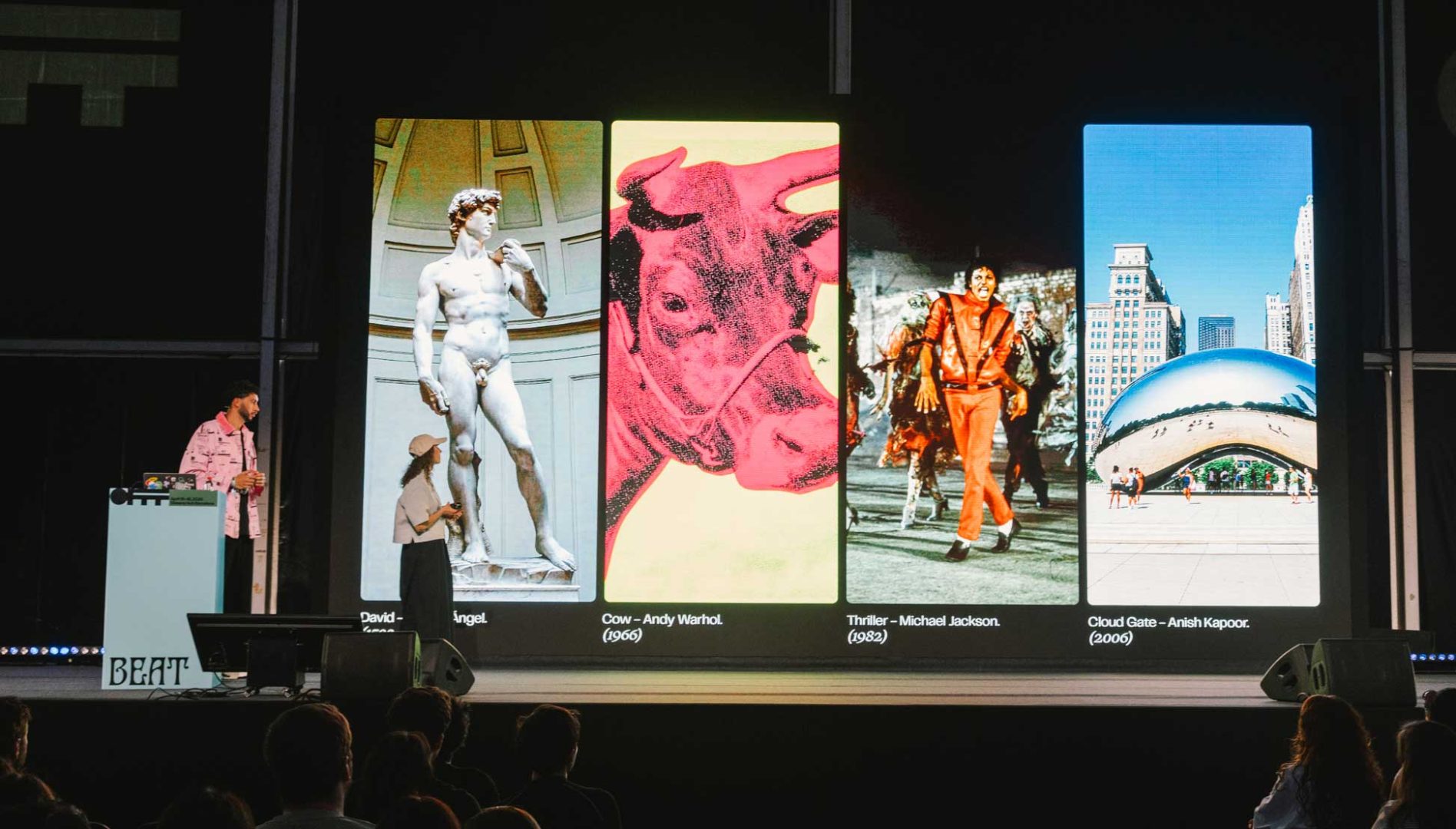
Valeria Moreiro and fellow NotReal co-founder/CD Milton Gonzalez, on the Beat stage at OFFF Barcelona 2026
The biggest changes we’ve seen are around budgets and pricing. There’s more pressure to reduce costs, and more conversations around how AI can help optimize production and lower expenses.
At the same time, we’ve noticed an increase in testing before production, especially qualitative testing of creative work and visual directions. Personally, I’m not always a fan of this approach because it can standardize the results too much and leave little room for creative risk-taking.
In terms of deliverables, the trend continues to be “more for less.” Clients are asking for a larger volume of outputs across multiple platforms and formats, while timelines and budgets remain tighter.
We use AI tools for early concept development, story boarding, scripting support, mockup voice-over recordings, visual exploration, and presenting ideas to clients during the first stages of a project. It helps us align faster on vision, mood, and creative direction before moving into production.
For us, AI works best as a creative collaborator and a tool that supports the process, rather than replacing the craft or the final execution. The human perspective, taste, and creative decision-making are still the most important part of the work.
“For us, AI works best as a creative collaborator and a tool that supports the process, rather than replacing the craft or the final execution.”
I remember one specific moment that really changed my perspective. It was learning I could sketch or design something very rough and then use Nano Banana to translate that into a detailed CG scene. That was important because it stopped feeling like random experimentation (like with Midjourney) and started feeling like a purposeful creative process.
The breakthrough was understanding AI could be directed with intention. It becomes less about generating random images and more about extending your ability to visualize ideas quickly and communicate a vision clearly.
I would definitely bet on AI becoming fully integrated into the everyday creative workflow, not as a separate tool, but as part of the natural design process. Our team has been exploring tools like Figma Wave and how they can become part of our daily reviews, work-in-progress sessions, and collaborative workflows.
Culturally, I also think this will push designers to focus even more on taste, direction, and creative thinking, because the technical barrier to execution is getting lower every day.
Follow Valeria and ForReal on LinkedIn and Instagram