


Demo Duck Expands Offerings with ‘DD Docs’
October 15, 2026
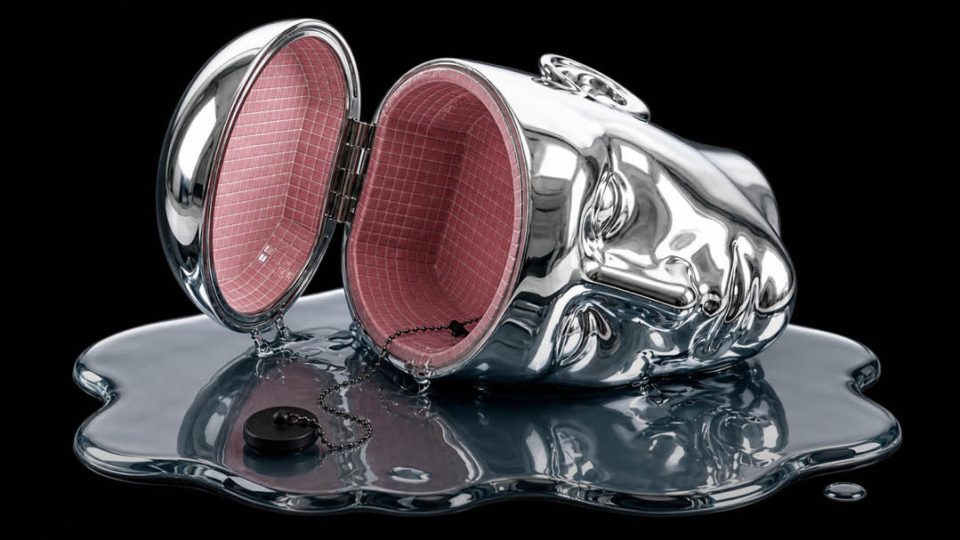
D&AD, the global creative non-profit championing excellence in design and commercial creativity, today launched The D&AD AI & Creativity Report 2026: The Cost of the Shortcut, a global study which found that what separates great creative work from average work isn’t the technology – it’s human judgement. This report was sponsored by Shutterstock Studios.
AI has made creative work faster and cheaper, but if you treat it as a shortcut, you just get average output. The real value – and the D&AD Awards data backs this up – comes from skilled human judgement using AI to sharpen human craft, not replace it.
But that judgement has to come from somewhere, and right now the industry is cutting off its own supply. The entry-level jobs where people learn to build judgment are disappearing. The fix isn’t to protect those jobs as they are – it’s to redesign them, so they still teach the judgement the industry depends on.
Drawing on 197 in-depth conversations with global creative leaders from 30 countries, alongside an analysis of over 10,000 D&AD Award entries, the global benchmark for creative excellence, the report identifies six areas where leaders can actively choose to build a stronger, more intentional industry.
The Work was the Training. How do we protect the future of our craft?
While entry-level jobs are disappearing, AI is simultaneously absorbing the remaining repetitive tasks. Together, this is eliminating the training ground that builds the judgement required for future creative leaders.
The proportion of D&AD Award entries declaring the use of AI more than doubled year-on-year, reaching 27.6% in 2026. Generative AI was used in 56.2% of AI-declaring entries overall, compared with 44.7% of AI-declaring Pencil winners, alongside a proportional rise in assistive AI among winners.
The data suggests that while AI is increasingly part of the creative process, its use alone does not translate into creative excellence. At the highest levels, human judgement, originality and craft remain critical. AI is neither a shortcut to excellence nor a prerequisite for it.
The report also highlights that AI can drive the most impactful results when working invisibly beneath the idea. Projects like ‘Caption with Intention’ and ‘PainVisible’ prove that using AI to drive inclusivity and precision can push creative boundaries in ways that would be otherwise difficult to scale.
The D&AD AI & Creativity Report 2026 identifies six critical reckonings facing every creative organisation. Together, they define the choices that will determine whether AI becomes a shortcut to average work or a catalyst for creative excellence.
Among its findings:
Originality: Left alone, AI trends towards the average. Award-winning work emerged where specialist AI tools were paired with discerning human judgement and craft.
Talent: As repetitive tasks disappear, organisations face a defining choice: use AI to replace learning opportunities or redesign junior roles around critique, taste and cultural awareness.
Leadership: Creative excellence cannot be delegated to AI. The organisations pulling ahead are those whose leaders are actively shaping how AI is adopted, governed and used.
“AI has changed what bad work looks like,” said David Patton, CEO of D&AD. “It’s no longer lazy or derivative in any obvious way – it’s competent, polished, and generic, and it’s the default output for anyone, anywhere.
“The real problem sits one step earlier: how do you train someone to tell competent from excellent, when competent is now the easy default everywhere they look? This report isn’t just a diagnostic of risk. It’s D&AD planting a flag – not for the tools, or against them, but for the human judgment they can’t replace.”
The D&AD AI & Creativity Report 2026: The Cost of the Shortcut, concludes that AI is not determining the future of creative excellence. Rather, the choices organisations make about how they use it are. The report sets out the decisions that will separate those who simply produce work faster from those who continue to produce work that matters.