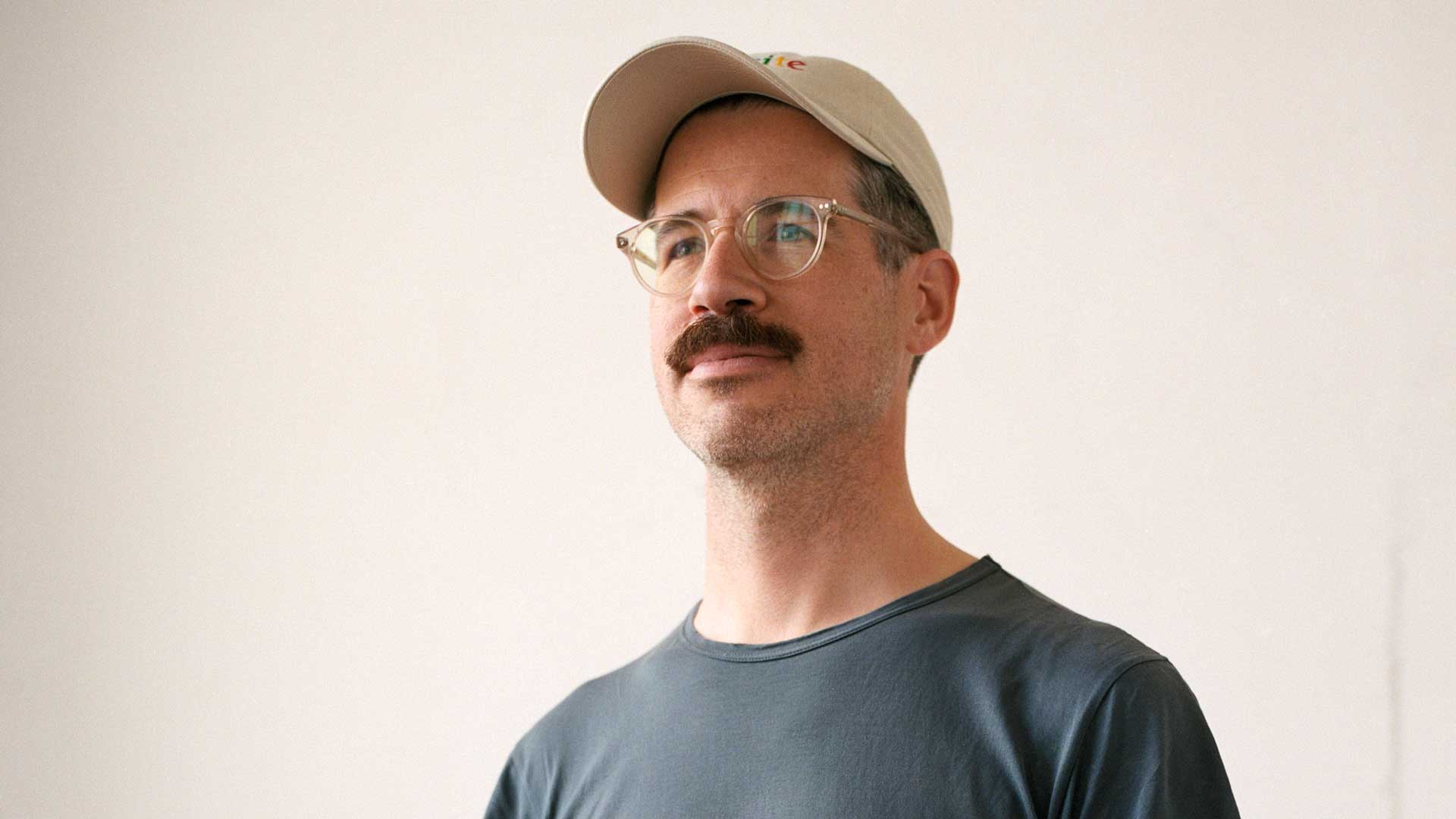
Riff Raff Signs Johnny Kelly to Directing Roster
April 2, 2026
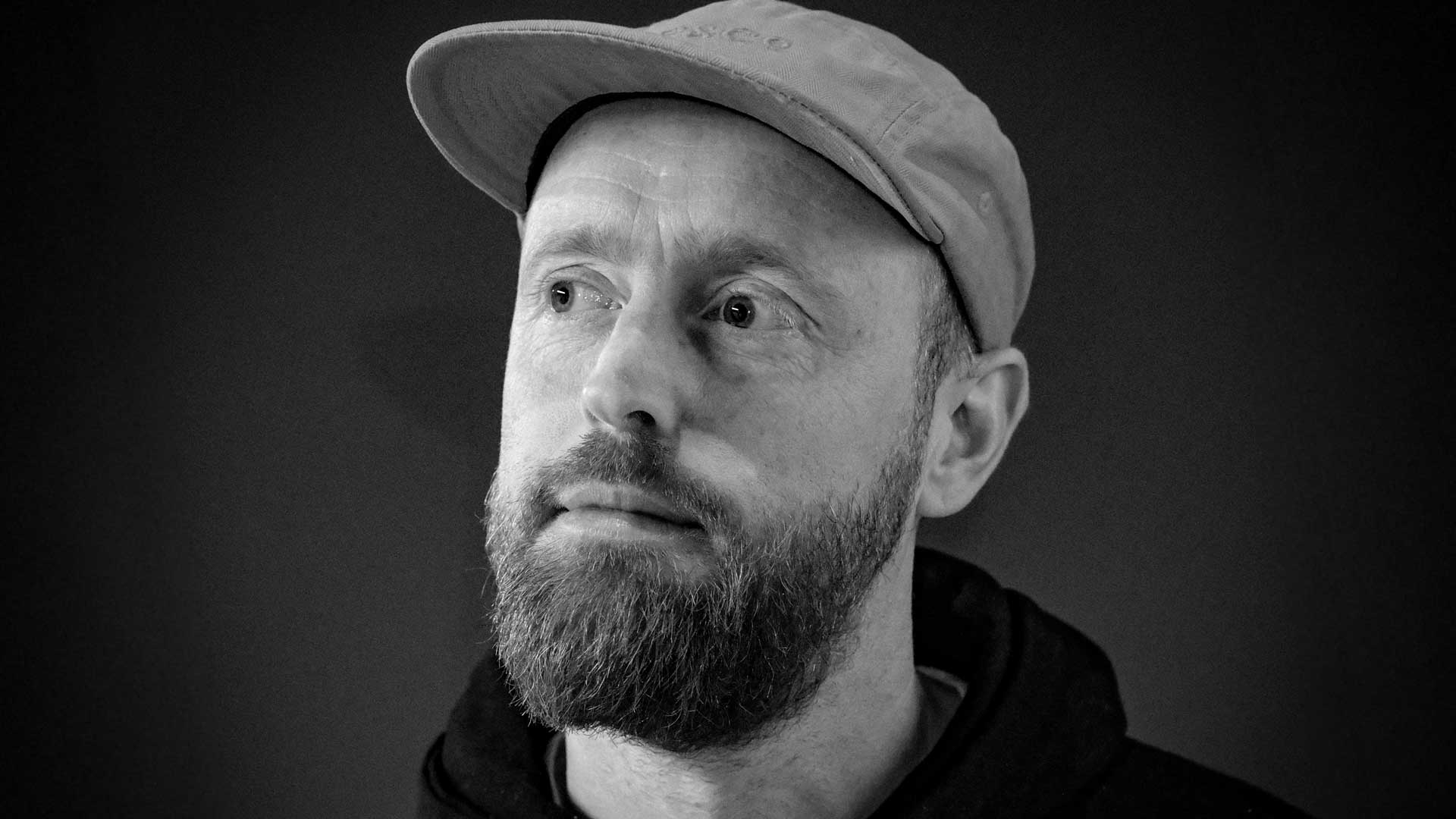
In the first of a two-part article, creative industry audio veteran Jochen Mader at ZENTHING in Munich gives Stash fans valuable insights into the state of motion design’s most crucial creative partner: sound design.
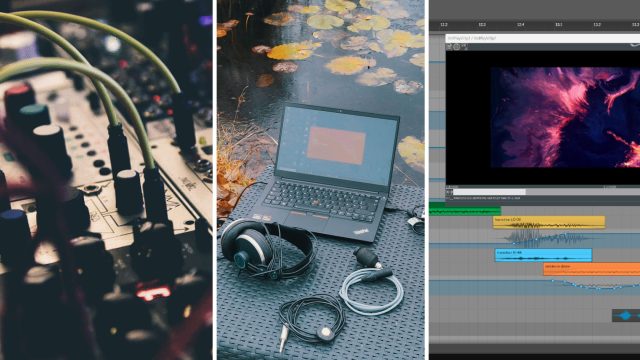
Jochen Mader: The term sound design is just as undefined and diverse as its visual sibling motion design. Working in sound design ranges from recording and editing footstep sounds to generating wild synthetic textures to mixing, mastering and delivering a final product to the client.
And while the creative and technical processes in both fields are often similar, sound work seems to be the more centralized and still less recognized asset.
Let’s look at credits (thanks to the folks like Stash that still publish them). On a mid-scale animation or motion design project you will most likely find a (creative) director, followed by a variety of animators, designers, compositors, you name it. The list often closes with a credit for a single music and/or sound design person.
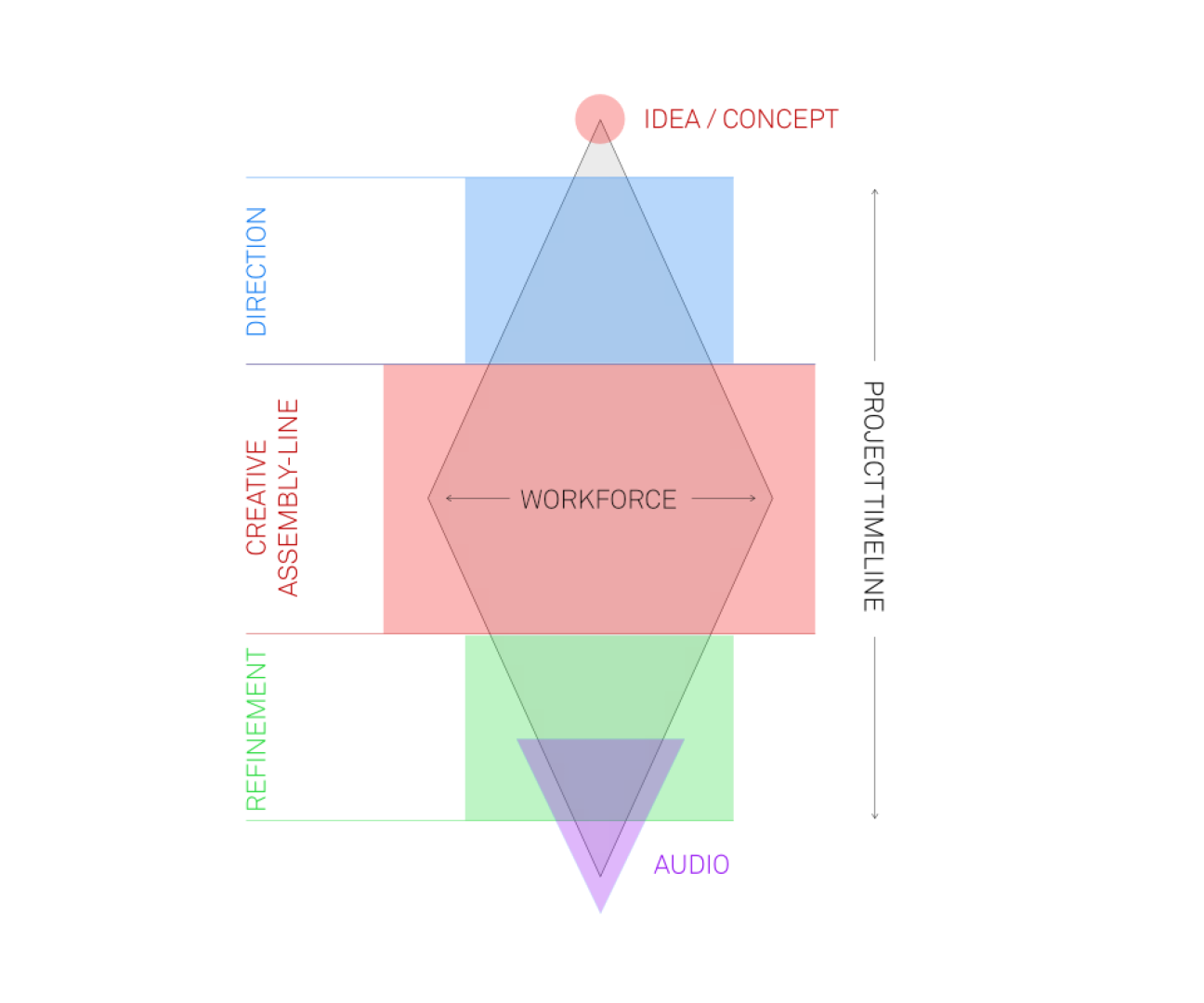
Looking at the bigger picture, this is also reflected in how the industries operate. There are significantly more company-structured production houses in the CGI industry while the sound design branch is carried a lot more by singular professionals, though we have seen a slight shift towards the bundling of resources and accelerated forming of “sound houses” in the last two decades.
Why is that? First of all: Working with sound is generally far less resource hungry than working in moving images. Rendering (we call it bouncing) is done in minutes, not hours or days. Software is very centralized, CPUs are powerful enough to work in real-time. It’s a WYHIWYG (What You Hear Is What You Get) process.
“We’re not making art and while in rare cases the result can become somewhat artsy, it’s still design and that always comes with a purpose deeper than its pure presence.”
With that in mind, the flexibility of projecting all audio work onto a single person has often proven to work – simple as that. While on many occasions it would make sense to involve sound at an early stage in the project, reality shows that this isn’t necessarily the case.
Hence, the more flexibility and short reaction time the sound design or music part brings to the table, the better. And while it can help to spread tasks like the actual recording and editing of sounds, composition of music, mixing or mastering to different people at different stages, it’s also possible to often accomplish all of this with a single human being on a single PC.
Knowing all of this, the industry still hasn’t felt overly competitive to me in the last 15+ years of working in the field. It feels like the work that music or sound houses do is distinguishable enough from the advantages a single sound person or small team bring to the table.
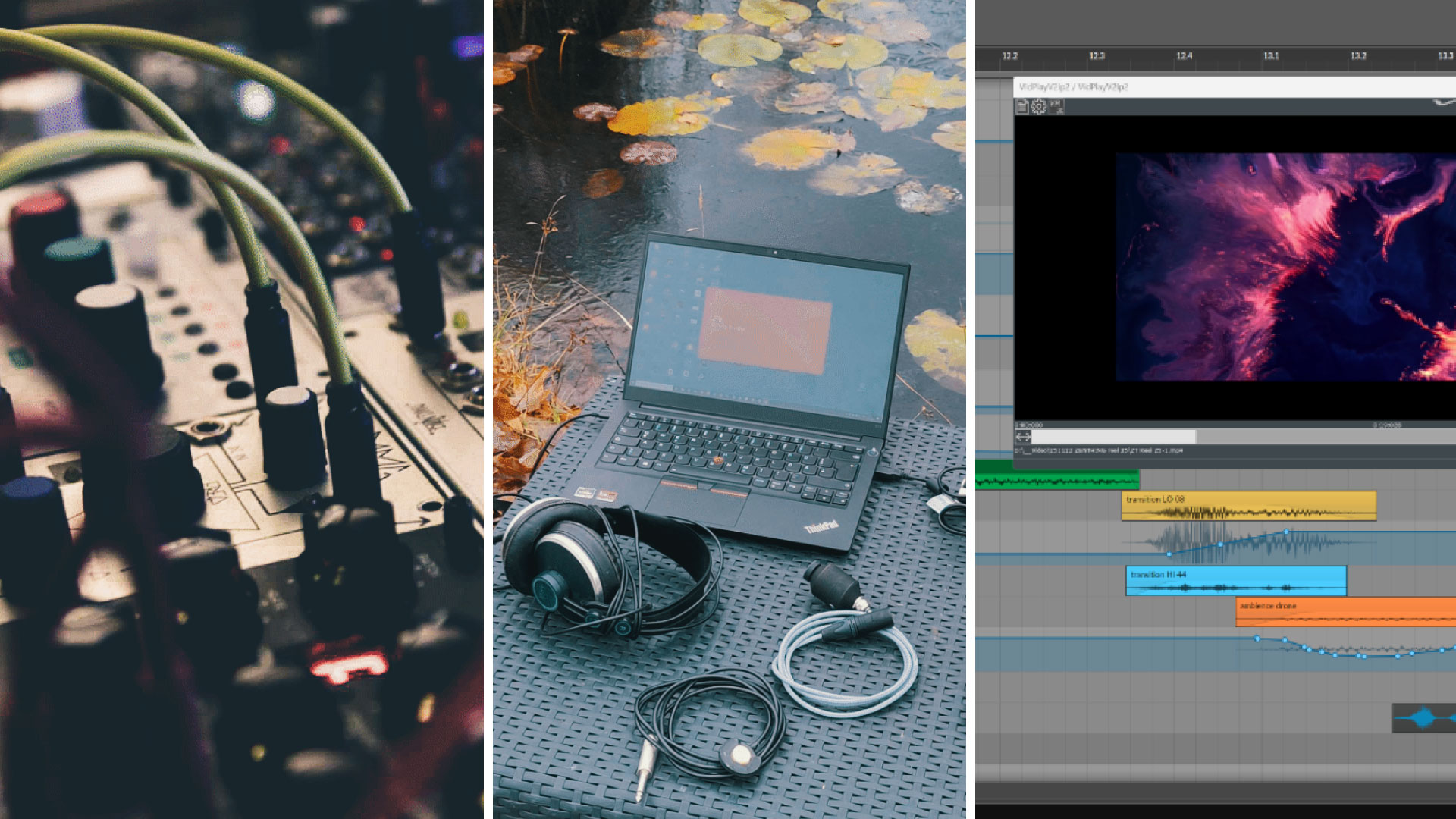
It’s the variety of projects that pop up which makes it work for all those different approaches: There are projects that require a quick pick from a big music library for their commercial, while long lasting bespoke collaborations between motion design studios and specific sound designers and composers keep their stream of projects relatively stable.
While expectations on timing and budget have noticeably changed over the last decade, the tasks of sound design and its embedding into the full process of making a film has remained largely the same.
Offering a creative service always comes with decisions that are made on budget, technicalities and time. There are humans involved, meaning there are different perceptions, feelings and their translation – it’s almost never a “Do whatever you feel like” brief. That goes for sound just as much as for visual work.
We’re not making art and while in rare cases the result can become somewhat artsy, it’s still design and that always comes with a purpose deeper than its pure presence.
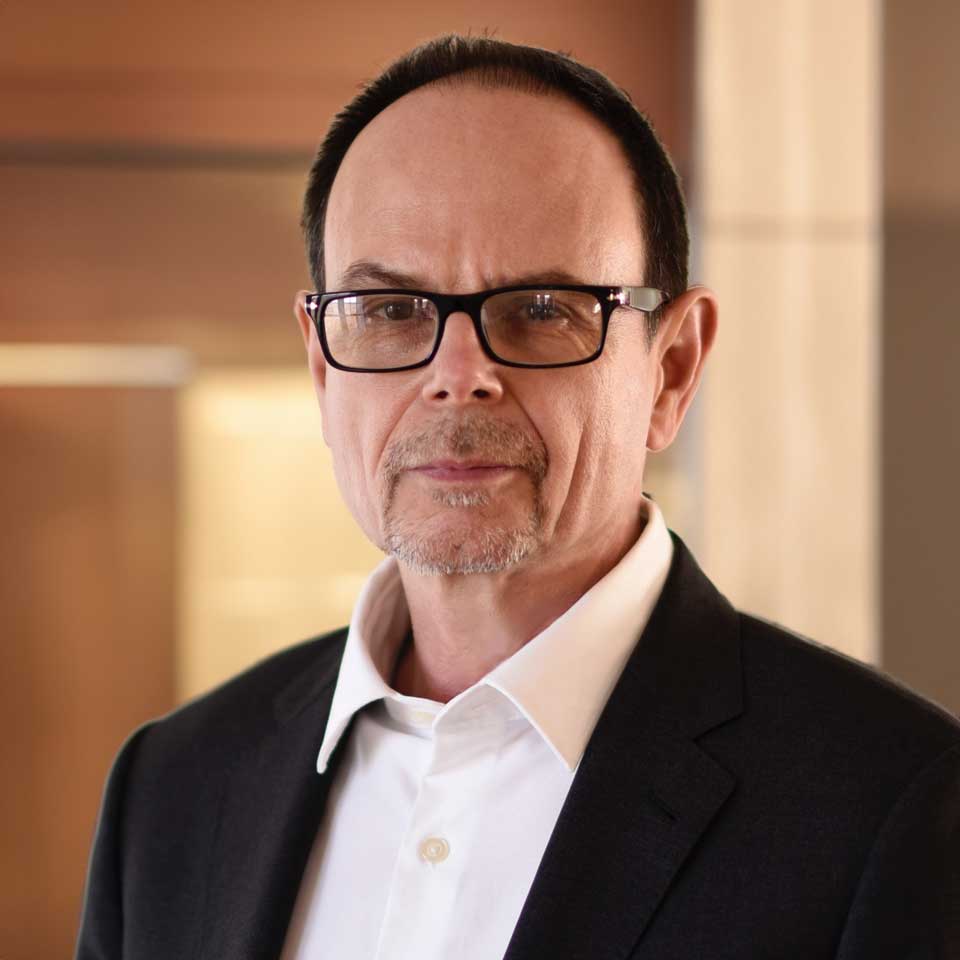
Jochen Mader a composer/sound designer and the founder of ZENTHING. A sampling of clients includes NIKE, Microsoft, BMW, Adidas, Universal, Volkswagen, and Porsche.