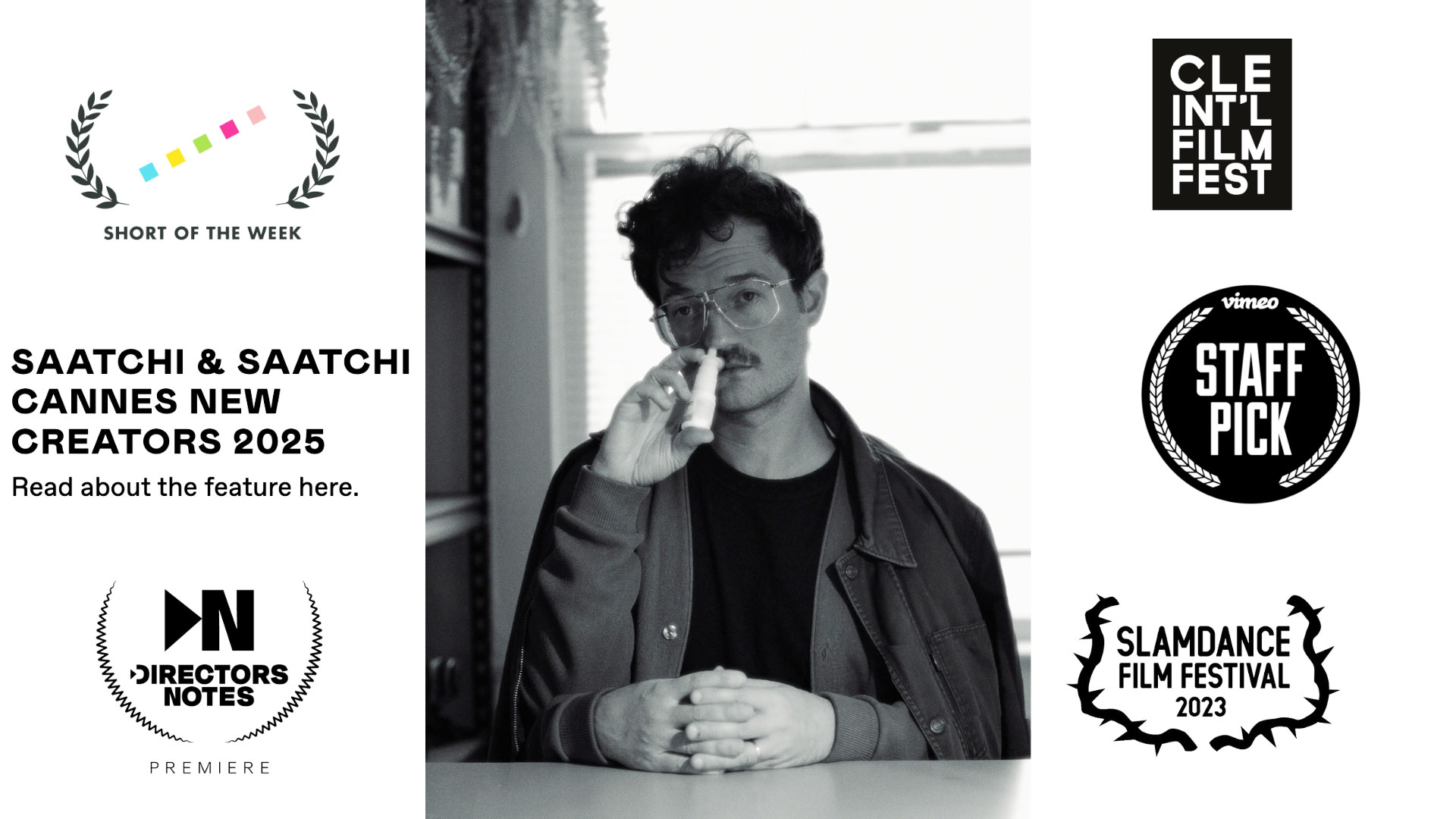



Director Zac Ella Joins Blinkink for UK/US Representation
October 8, 2026
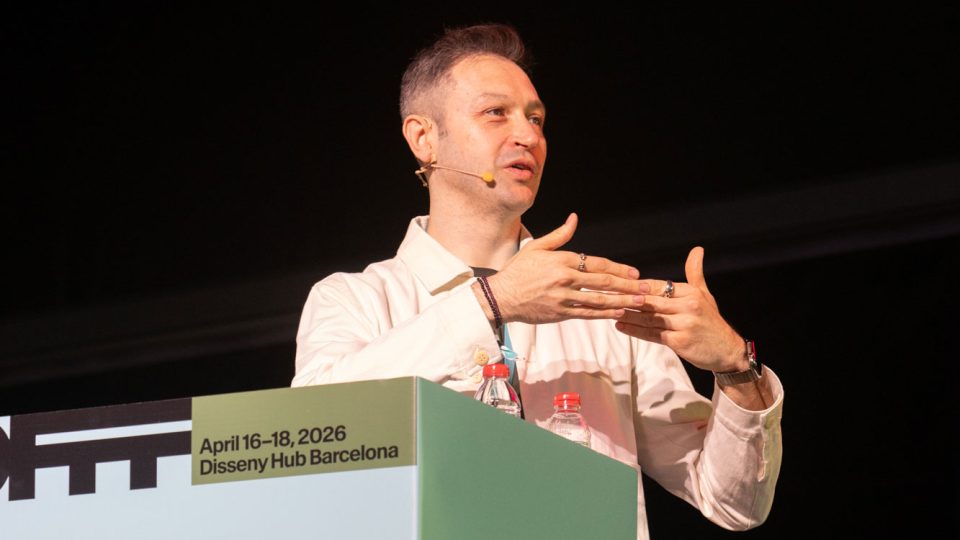
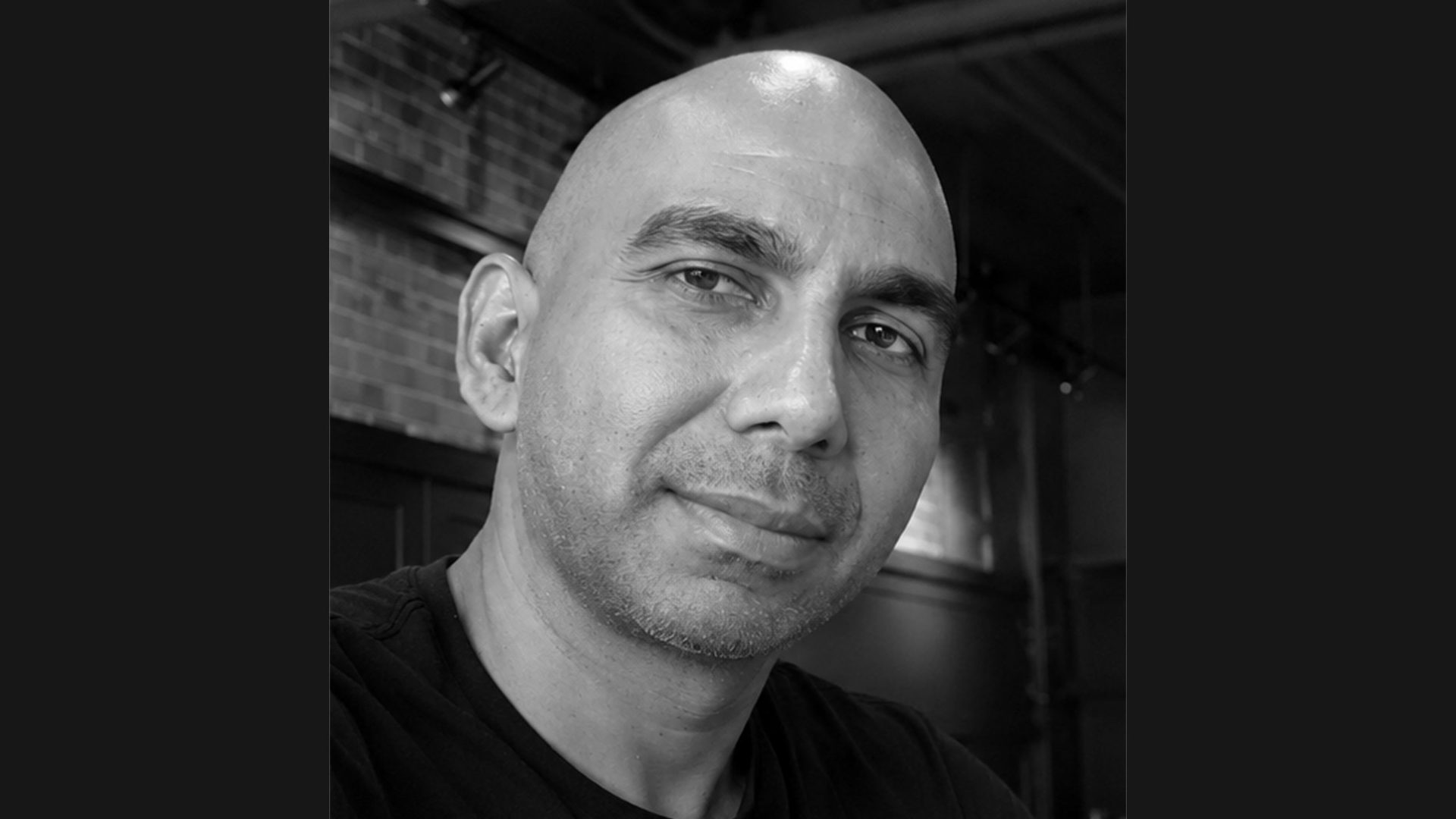
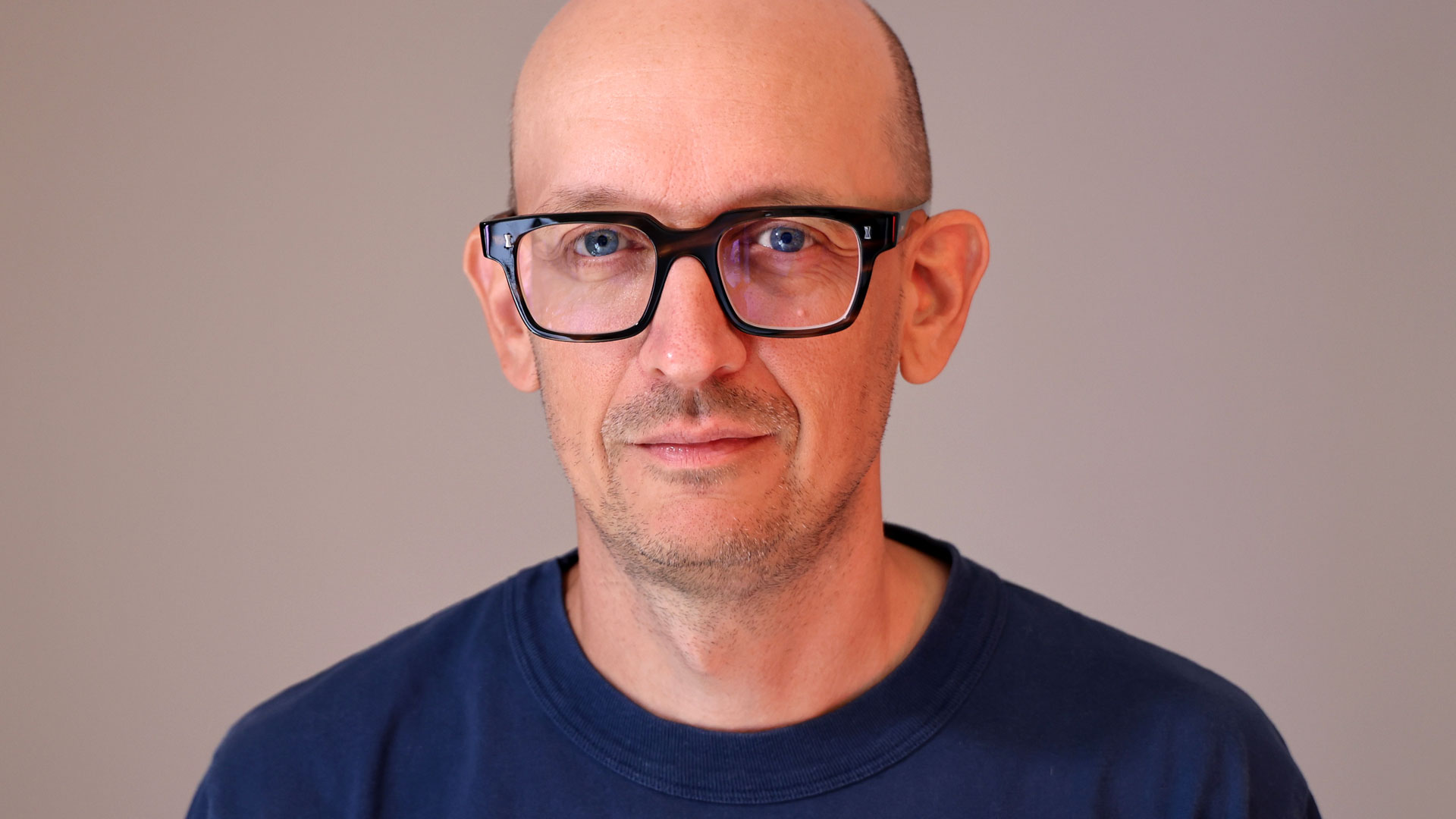
After covering his work for over a decade, I got to sit down with London-based Turkish director/CD Onur Senturk at OFFF Barcelona 2026 for an invigorating catch up on life and his latest work.
This follow-up interview reveals the veteran 3D artist’s thoughtful take on the current opportunities and challenges in design, how he uses AI in the creative pipeline, and what we should expect next for the industry.
Onur Senturk: The real opportunity is building authored work at scale, creating high-end visual worlds faster, while maintaining a clear point of view. That balance is still rare.
Everyone now has access to powerful tools, but very few know how to direct them meaningfully and with taste. Studios that can combine strong creative direction with emerging tools without being defined by them have a real chance to stand out.
“Studios that can combine strong creative direction with emerging tools without being defined by them have a real chance to stand out.”
The biggest threat is the erosion of value around the creative process, alongside the rapid commoditization of execution. As tools get faster and cheaper, clients expect more for less, shorter timelines, lower budgets, and endless iterations. That creates a volatile environment for studios, which is why we’re seeing closures.
Studios and individuals will need to clearly define what they stand for beyond execution, otherwise they risk becoming interchangeable. Creativity has always been a space for misfits and outcasts, that shouldn’t get lost in the process.
I’m looking to do more work that feels authored, projects with a clear creative voice, whether in film, branded storytelling, or experimental formats. I’m especially interested in blending performance, design, and emerging technologies into cohesive narratives.
I’m trying to leave behind purely output-driven work. For me, the value comes from building something with intention, the kind of work that feels larger than the individual making it, and considers the audience as part of the experience.
Briefs have become more fluid and often less defined, in some cases, even written by AI. Clients are referencing a wider range of styles, often influenced by generated content, but without always understanding how that translates into production.
There’s also a clear push for faster turnaround and more deliverables across formats. At the same time, there’s a growing appreciation for ideas that cut through the noise. So while timelines are shrinking, expectations around originality are increasing. And, as a push back, moments of purely human-made work are starting to stand out more.
I use AI primarily as part of the ideation and visual development process for rapid prototyping, mood exploration, and testing directions. It’s also becoming useful in previzualisation and certain areas of production, especially when working with complex or abstract ideas.
That said, I see it as an extension of the creative process, not a replacement. When there’s no point of view and honesty behind it, the output quickly feels generic. The key is knowing when to use it, and when not to.
“The most surprising shift is how quickly AI has moved from novelty to something closer to a creative collaborator.”
The most surprising shift is how quickly AI has moved from novelty to something closer to a creative collaborator. It fundamentally changes the thinking process, allowing the exploration of ideas at a speed that wasn’t possible before.
At the same time, it acts as a mirror. It makes it very clear that without a strong point of view or human perspective, the work falls flat. Creativity has always belonged to those operating outside the norm that part hasn’t changed yet.
By 2027, we’ll see a clear divide between content and authored work. As generative tools become ubiquitous, purely aesthetic output will be easy to produce. What will gain value is perspective, taste, strong creative direction, storytelling, and world-building.
In a landscape of infinite content, point of view becomes the most valuable asset.
Onur Senturk is a film director and CD specializing in cinematic game trailers, branded campaigns, and narrative content for entertainment and luxury brands.
You can follow him LinkedIn and Instagram
The video above, which we featured in Stash 163, was created for Swiss watch maker MB&F in 2023.