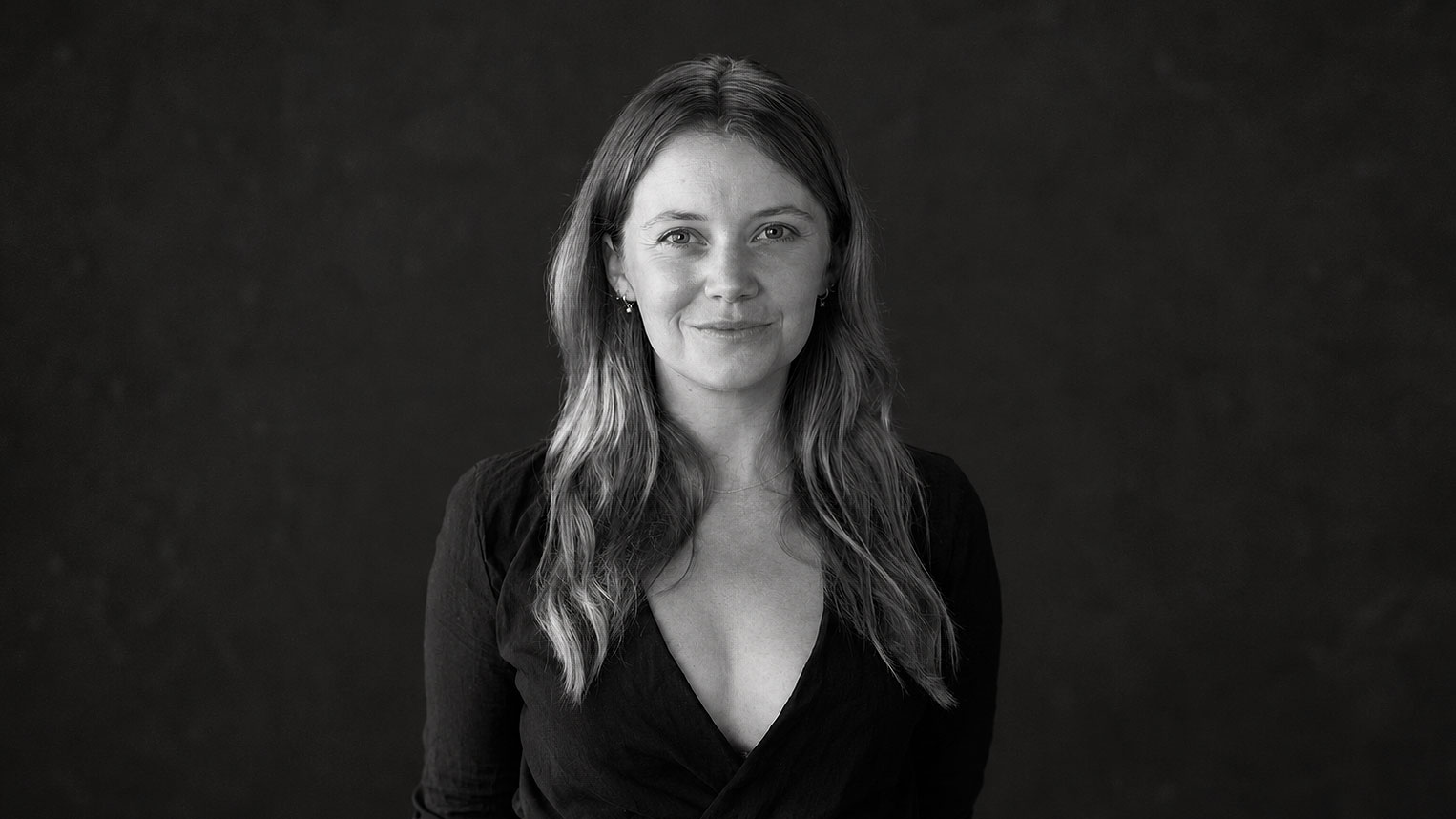


Electric Theatre Collective Adds Flora MacLeod as Art Director
October 13, 2026
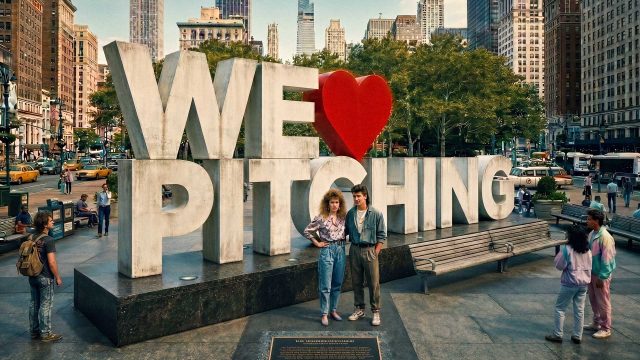
![Two people stand in front of a large "WE [heart] PITCHING" sculpture in a lively city plaza. This scene, featured in We Love Pitching Part 1, captures the creative buzz highlighted by Stash Media’s guest editorial. Frame from Stash Magazine article.](https://www.stashmedia.tv/wp-content/uploads/We-Love-Pitching-Part-1-Guest-editorial-by-Claus-Cibilis-_-STASH-MAGAZINE-960x540.jpg)
In this first installment of the We Love Pitching series on Stash, Nerdo ECD Claus Cibils introduces the many systemic problems affecting the competitive commissioning infrastructure of the design and motion industry.
We love pitching. Not in the motivational poster sense. The real thing: the energy when a team suddenly clicks. The moment when the brief stops being a document and becomes a world. The thrill of going head-to-head with studios you admire, agencies you respect, or the friend across town who always raises the bar.
At its best, pitching is a clean fight: craft, instinct, and ideas enter the room, and one of them wins. Yet the feeling most commonly attached to pitching today is not love. It is exhaustion.
“The ritual that once felt like a hype proving ground now feels like an industrialized stress endurance test.”
“I hate pitching” – creatives, producers, agencies, studios, and even clients say it. The ritual that once felt like a hype proving ground now feels like an industrialized stress endurance test.
This did not happen because creativity vanished. The industry is more capable than ever. The tools are extraordinary. The talent pool is global. Communication is instant. Production techniques that once took months now happen in days.
Despite these advances, pitching feels harder, riskier, and less attractive. Something is out of sync. This contradiction is where We Love Pitching begins. The simplest way to describe the problem is this: creative production evolved, while the commissioning model was left behind.
Creative capacity expanded dramatically over the past twenty years. But the infrastructure for commissioning creative work evolved far more slowly, sometimes in the opposite direction.
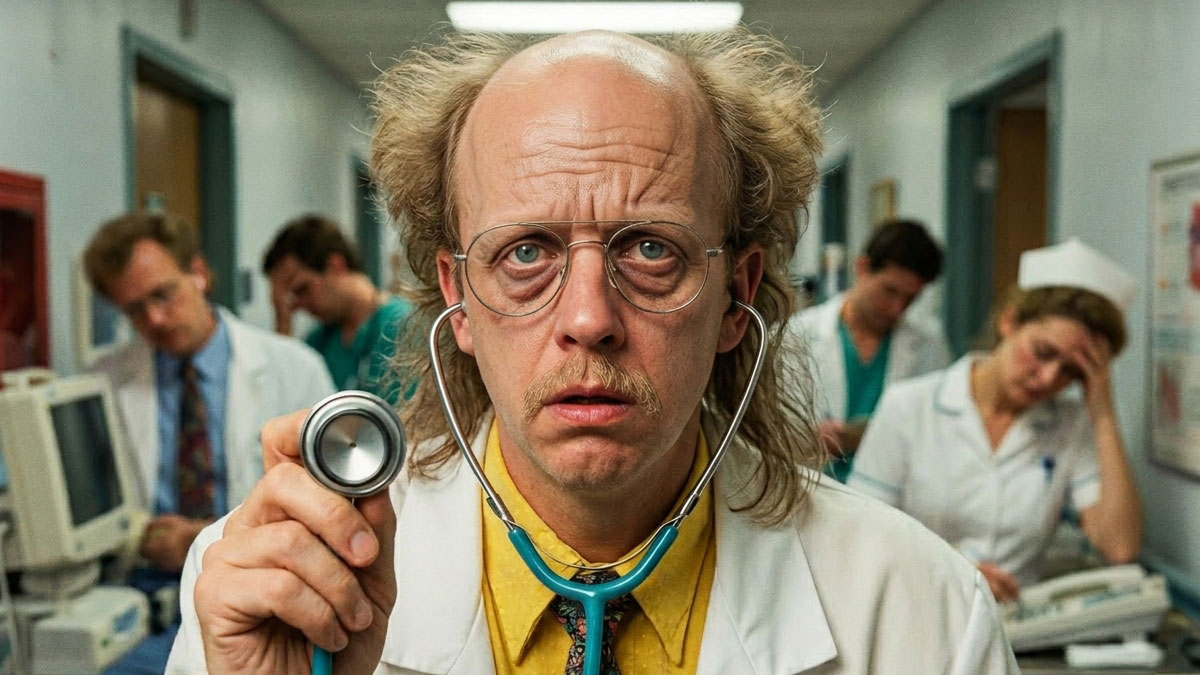
Pitching now often runs on emergency logic: compressed timelines, incomplete information, expanding expectations, limited dialogue. Decisions appear without warning and disappear just as quickly, and suddenly, the entire industry is operating like The Pitt on a Saturday night.
Some of these conditions are structural realities of the time we live in: the everything-for-now syndrome, the democratization of technology, and globalization. Others emerged through reasonable decisions made under pressure. Procurement teams try to reduce risk. Agencies expand the field to explore more possibilities. Clients want reassurance before committing to large investments.
“Pitching now often runs on emergency logic: compressed timelines, incomplete information, expanding expectations, limited dialogue.”
Individually, these choices make sense. Taken together, they quietly reshaped how pitching works, and not necessarily toward a shared goal. Today, processes start abruptly, and demand moves faster than the systems designed to evaluate it can handle.
In practice, this often looks like a reel request circulated to a large number of studios with a 24-hour turnaround. Ten or fifteen responses arrive almost immediately, leaving the creative team only a day or two, sometimes less, to review them. Under those conditions, deep evaluation is impossible.
Selection becomes fast filtering. Work that most closely resembles the reference or previous campaigns tends to rise to the top, not necessarily the work that introduces the most original thinking. Dialogue rarely happens at this stage. The process simply moves too quickly.
This is where the fracture begins, and where everything that follows has to compensate for it. And the reality is: we have not even started pitching.
Follow Claus on LinkedIn and Instagram.
WE LOVE PITCHING: Let’s change the way we play the game.
DISCLAIMER: All images are AI-generated. If it feels real, uncomfortable, or a little ridiculous, it’s intentional. Artificially made. Human crafted.