


MAKE Animation Thesis Grant 2026 Helps Senior Animation Students Finish Their Films
August 31, 2026
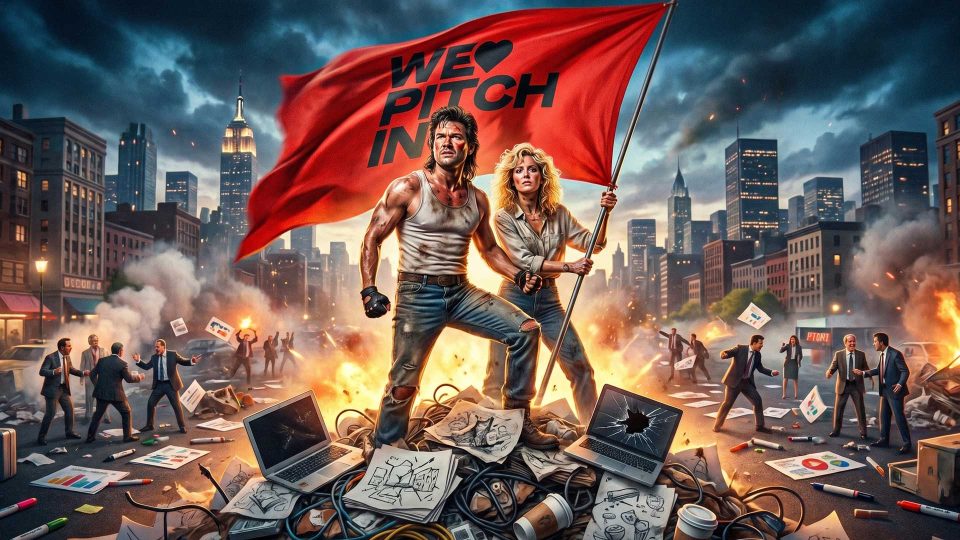
In this latest of his Stash editorial series We Love Pitching, Nerdo ECD Claus Cibils makes the case for the foundational importance of the creative brief and the need for transparency and respect in the production partnership.
We all reach for luck when something feels out of our control.
A lottery. A coin toss. Weather, no matter how good the forecast is, nature still has the final word. Luck belongs where the rules are unknown, the variables are beyond our control, or the result cannot be meaningfully shaped. But pitching is supposed to be different.
“Teams are asked to build a serious proposal while chasing the information that should define the process.”
Product launches, marketing strategy, media plans, sales goals, budgets, brand guidelines, and delivery expectations are usually defined before a pitch even starts. Or at least they should be.
Yes, uncertainty is part of any fair competition. But here, the issue is access. The information exists. It simply fails to reach the people expected to build the proposal. The only real uncertainty in play should be who wins.

Instead, we start making a wish list.
• If we are lucky, we get the budget.
• If we are lucky, the general timeline makes sense.
• If we are lucky, the scope is clear.
• If we are lucky, we get a real creative brief.
• If we are lucky, we have more than four days to deliver the pitch.
• If we are lucky, the brand guidelines arrive before the due date.
• If we are lucky, we know who we are competing against.
• If we are lucky, the evaluation criteria are clear.
• If we are lucky, the people evaluating the work agree on what they are actually looking for.
But what does luck have to do with any of this? Teams are asked to build a serious proposal while chasing the information that should define the process. Things we should have from the start become things we hope to receive someday. The basics start looking like favors.
That is not a fair starting point. That is not a transparent relationship. That is not a respectful partnership. Actually, these should be deal breakers for everyone. And still, most of the time, we send the reel.
“The brief is not decoration. It is not a polite document before the real work starts. The brief is the first production document.”
We enter without knowing enough. We signal interest without the conditions. That is how the loop keeps feeding itself. That is how luck gets promoted from superstition to process.
The brief is not decoration. It is not a polite document before the real work starts. The brief is the first production document. The pitch is the first production phase. It gives everyone visibility and the power to decide.
For clients, it clarifies the ask. For agencies, it frames the opportunity. For internal stakeholders, it creates alignment. For makers, it defines whether the pitch is worth entering. Without that clarity, participation becomes a shot in the dark.
Every field works within limits. What’s needed. When it’s needed. How much is there to spend. What the work must achieve. What it takes to participate. Those edges allow creativity to become real.
Limits do not kill creativity. Unclear limits do. Moving limits do.
Follow Claus on LinkedIn and Instagram.
WE LOVE PITCHING: Let’s change the way we play the game.
DISCLAIMER: All images are AI-generated. If it feels real, uncomfortable, or a little ridiculous, it’s intentional. Artificially made. Human crafted.