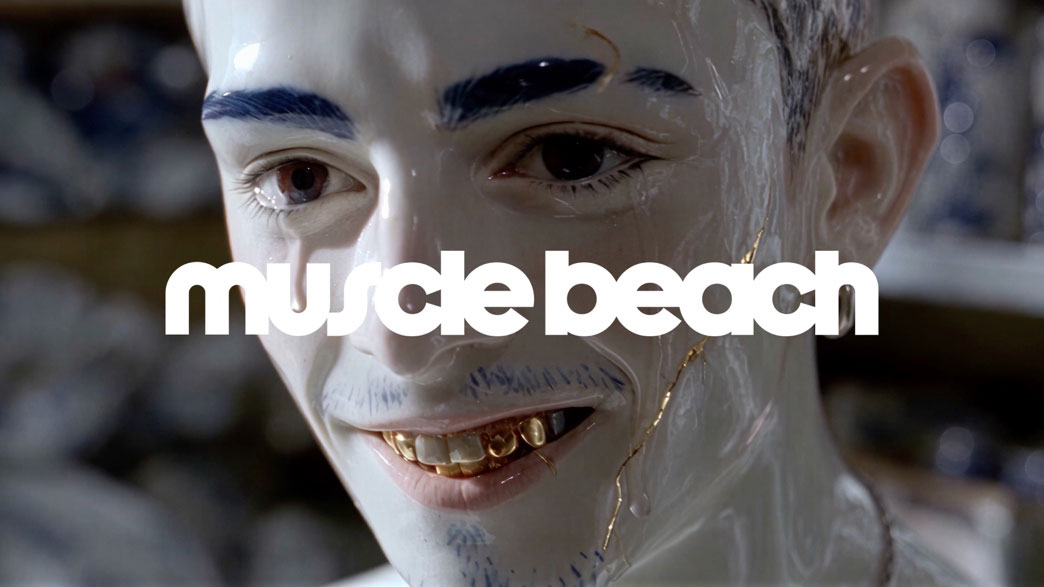

New Production Studio Muscle Beach Makes its Debut
October 10, 2026
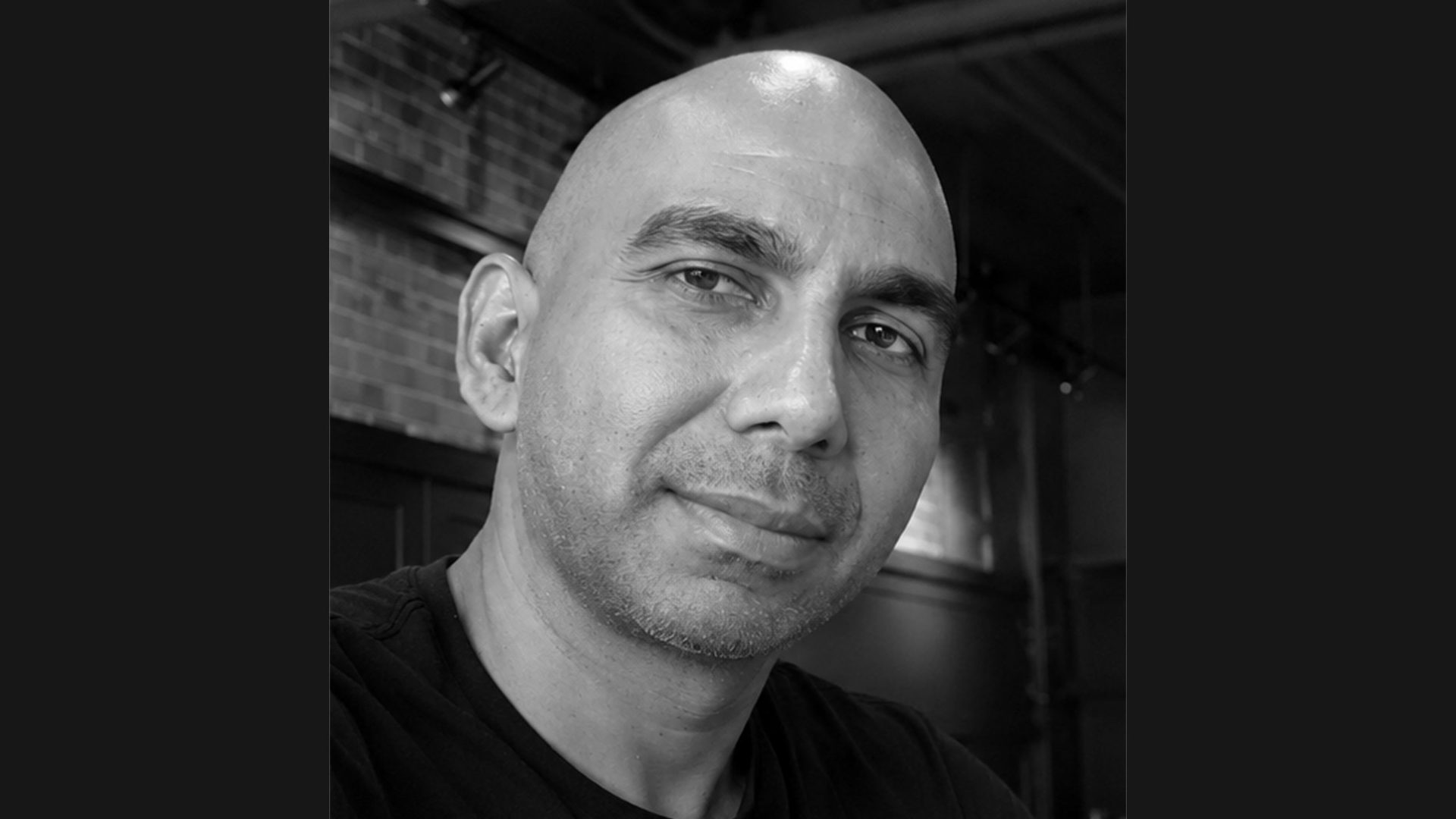
In this edition of his series of Stash editorials, Nerdo ECD Claus Cibils looks at why the creative pitching process usually feels like a four-alarm fire and suggests a few ways to keep the flames under control.
“Insanity is repeating the same mistakes and expecting different results.” (Narcotics Anonymous, 1981). Maybe.
Albert Einstein? Al-Anon? Max Nordau? George Bernard Shaw? Samuel Beckett? George A. Kelly? Rita Mae Brown? John Larroquette? Jessie Potter? Werner Erhard? Apparently, everyone wanted a piece of that line.
Fair. That phrase is a winner. So what do we call saying yes to the same impossible timing, the same expanding ask, the same Friday emergency, the same “quick thing,” the same weekend fire drill, and then wondering why everyone is burned out?
Because we know this one. It is Friday at 6:47 p.m. A message lands marked “quick ask.” The brief has changed. The client would like to see another route. The presentation is still Monday morning. The deck should feel finished, but not overworked. The team should use the weekend wisely.
“The problem starts when the fire drill becomes muscle memory. Every pitch starts looking like THE PITCH. The one we cannot miss. The one we cannot lose.”
And please, of course, take care of yourselves (praying emoji). That is usually the moment the house starts burning. The problem is not that pitches get intense. They are intense. Sometimes the pressure is real. Sometimes the opportunity arrives late, the idea is alive, the room is moving, and everyone chooses to make a run for it.
That can be exciting. It can even be worth it. The problem starts when the fire drill becomes muscle memory. Every pitch starts looking like THE PITCH. The one we cannot miss. The one we cannot lose. The one worth one more night, one more weekend, one more route, one more unpaid miracle.
So we jump. The client says it is urgent. The agency passes the heat downstream. The studio protects the opportunity. The team cancels the weekend. The freelancer eats the chaos.
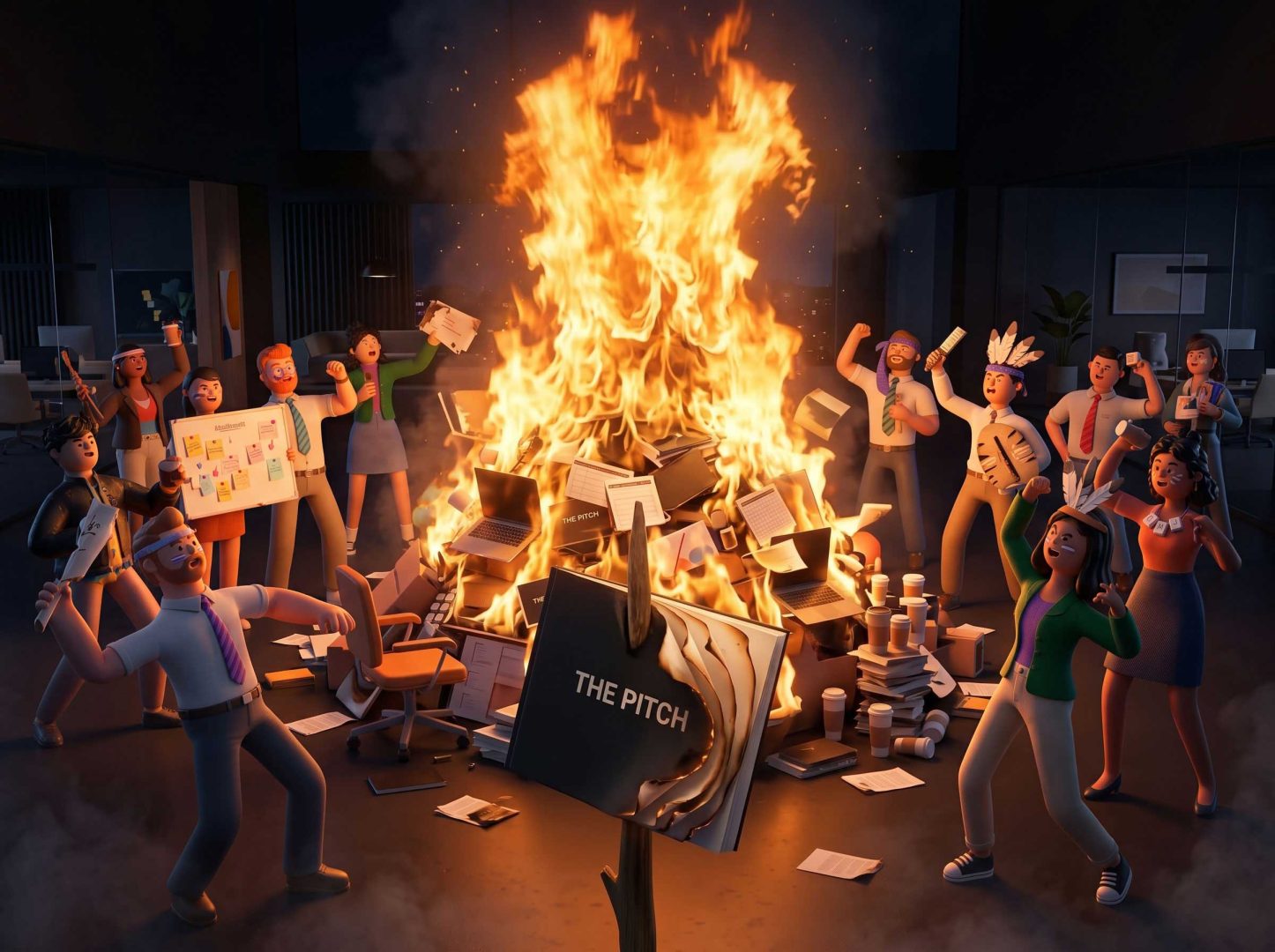
No harm was intended. Most of the time, everyone is trying to protect the possibility. But the system learns from behavior, not intention. And here comes the uncomfortable truth. The fire did not get this big by itself. The system asks too much. That is part of the problem. The bigger issue is what happens next.
We say yes. Because saying yes feels safer than being the one who slows the room down. We say yes to the impossible timing. We say yes to the expanding ask. We take the hit. And then, somehow, we deliver. Every time we pull off the impossible, we prove it can be asked again. Then we wonder why the demand keeps growing.
Of course, not everyone has the same freedom to refuse. A large agency, a small studio, a director, a freelancer, and a junior designer don’t hold the same cards. Saying no can cost the relationship, the rent, the next call, or the chance to stay in the game.
That is exactly why this cannot depend on one heroic person standing outside the fire. It has to become a line we agree to hold together. One person refusing the fire can get replaced.
“The house does not need to burn for the idea to catch fire.”
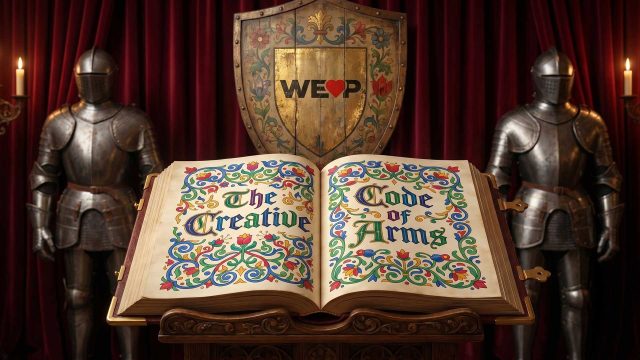
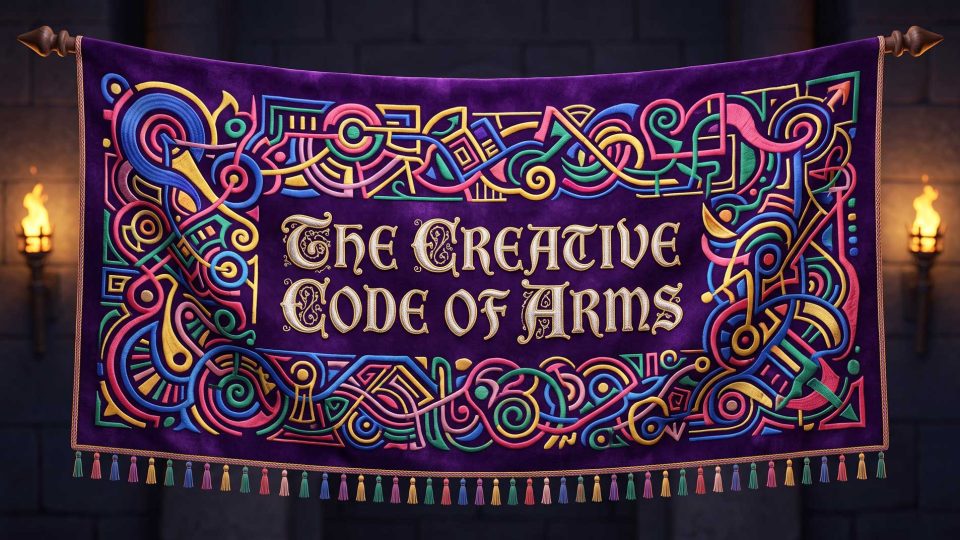
A shared standard changes what the room is allowed to ask for. That is the Code: Before turning a pitch into an emergency, name the fire.
• What is the actual ask?
• Why does it need to happen this fast?
• What needs to be delivered, and how finished does it need to be?
• Who can make decisions?
• Who is being asked to absorb the pressure?
If the urgency is real, change the conditions. More time. Fewer routes. Lower finish. Faster access. Clearer decision-makers. More money, sure. Hilarious thought. But something.
If the conditions do not change, the answer cannot keep being automatic yes. Not from one person. From all of us. Because every automatic yes teaches the system that the fire drill works. Passion can elevate the work.
The house does not need to burn for the idea to catch fire.
WE LOVE PITCHING
Let’s change the way we play the game.
Follow Claus on LinkedIn and Instagram.
WE LOVE PITCHING: Let’s change the way we play the game.
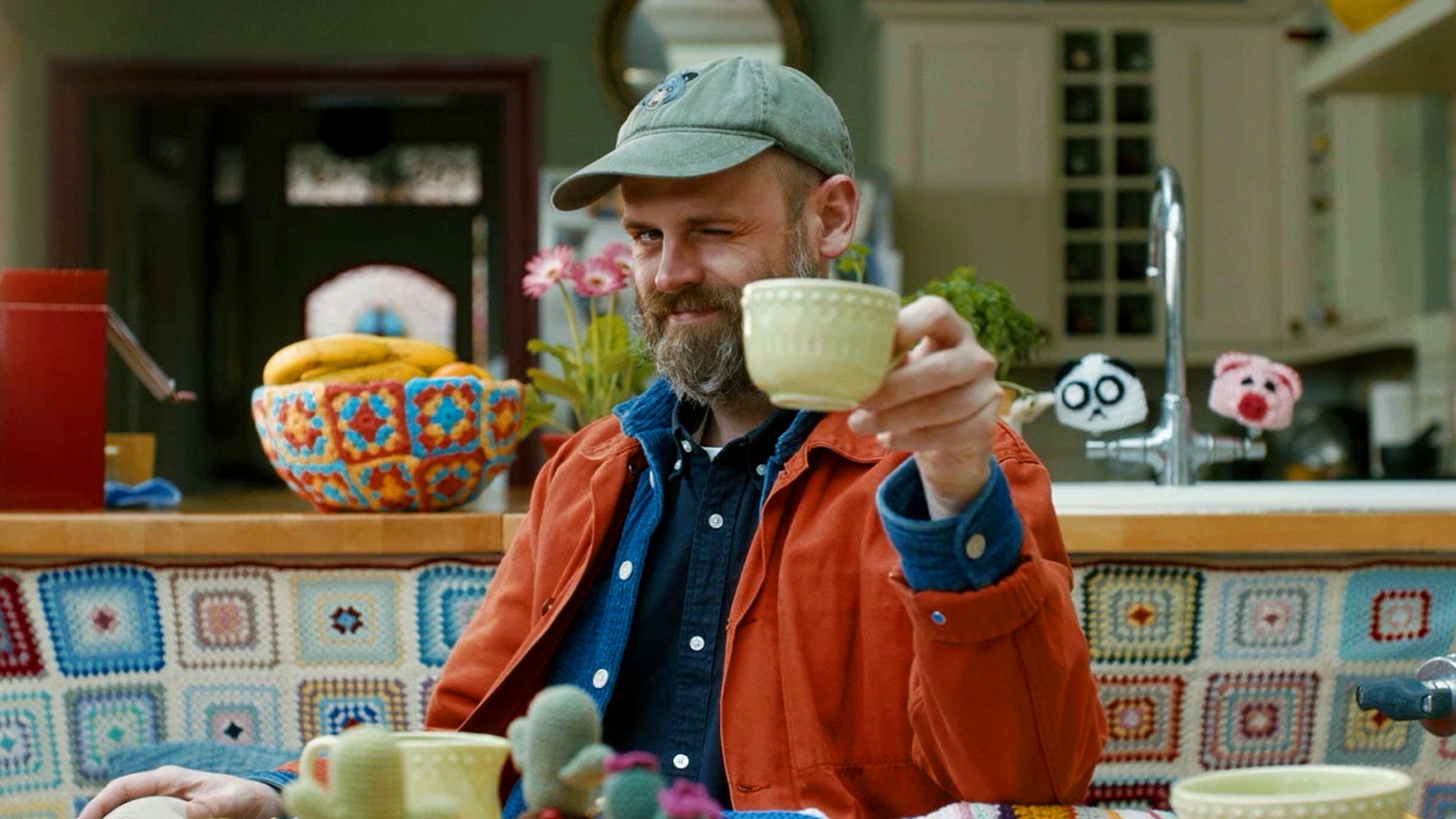
DISCLAIMER: All images are AI-generated. If it feels real, uncomfortable, or a little ridiculous, it’s intentional. Artificially made. Human crafted.