




WPP Production Appoints Charlotte Mikkelborg UK Creative Innovation Lead at HEX
November 25, 2026
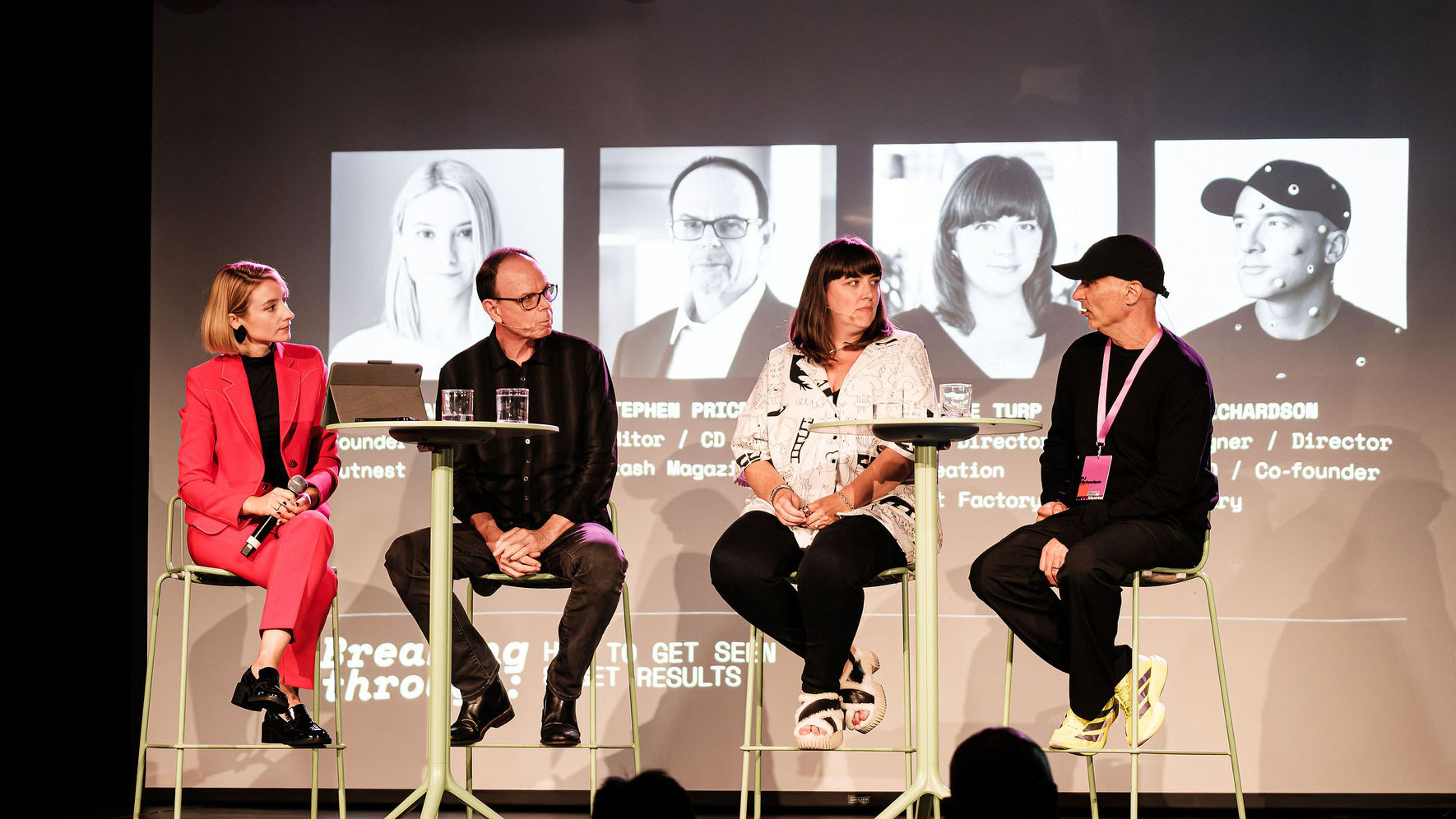
Our recent BREAKING THROUGH panel at OFFF Montreal generated far more audience questions than we could answer in the session, so we asked our panelists to answer the most-asked queries here. Part 1 of this follow-up is available here.
• OFFF Montreal
• Sept. 2nd, 2026
• Moderator:Lidia Scarlat (Outnest)
• Panelists: Stephen Price (Stash Magazine), Catherine Turp (Moment Factory), and PJ Richardson (Laundry).
Stephen Price: If you’ve built a team, even a small one, market that team rather than just yourself. But if you are working solo I don’t see an advantage. It’s good to remember that clients hire people, not logos.
PJ Richardson: By far, selling your process and team, even if small, is the best way. It shows there’s preparation and process behind the work, not about showing you off, but about how you will take care of a client along the way. Extra credit if that process explains the parts of the animation pipeline the client wouldn’t otherwise know, and how it benefits them.
“By far, selling your process and team, even if small, is the best way. It shows there’s preparation and process behind the work.”
Stephen Price: I see two early trends. The first is Invisible Integration: directors and teams folding AI into their pipelines where it saves time and money. The second is Overreach, where creators try to create full AI productions beyond their technical, narrative, or curatorial abilities. These range from outright slop to the cheesy weirdness of uncanny-valley territory.
PJ Richardson: Not easily, lol. But I schedule it. One hour a night, more on weekends. It started off slow and uncertain, but the personal work muscle gets easier over time if you can push through the beginner’s mindset that works against us all.
Lidia Scarlat: There’s a great meme going around, “the market is so bad, I’m forced to follow my dreams.”, which highlights a serious point: downtime between projects is the best fuel for passion work. And make sure to document how you do it. Your process is part of the showcase, and often just as interesting as the result.
“You have to be comfortable letting some projects go.”
Catherine Turp: Start by asking, “is it really about cost, or about value”? If the client understands the price and simply has a different budget, that’s a normal parameter, and the job becomes finding what’s essential and what can change without losing what makes the idea special.
Harder, is when two proposals look similar on paper but offer very different levels of craft. Part of our job is to make the difference visible before the decision is made. And sometimes they’ll still choose cheaper. You have to be comfortable letting some projects go.
PJ Richardson: Cheaper isn’t better. And usually we see it play out as not the best option for the client. Laundry will work with a client to find a genuinely simpler solution if they need to come down, rather than just doing the same work for less. We also check back in later, even with clients who didn’t pick us. They always come back later with something else.
PJ Richardson: I would set up measurable trackers of our progress and our finances a lot earlier. The consistency and preparation behind Laundry’s processes is the studio’s superpower and the thing that generates the most consistent business.
Lidia Scarlat: I agree with PJ on tracking. It looks boring in the doing, but the overviews it gives you are usually the insightful part, worth building as a habit early. I’d also add one thing that isn’t about business: notice when your own “no” is really just fear in disguise rather than real judgement.
Join us at the next Stash panel during OFFF Barcelona 2027, May 6-8.