
Fight for Kindness Poster Exhibits Launch Nov 13 in 5 Cities
October 22, 2026
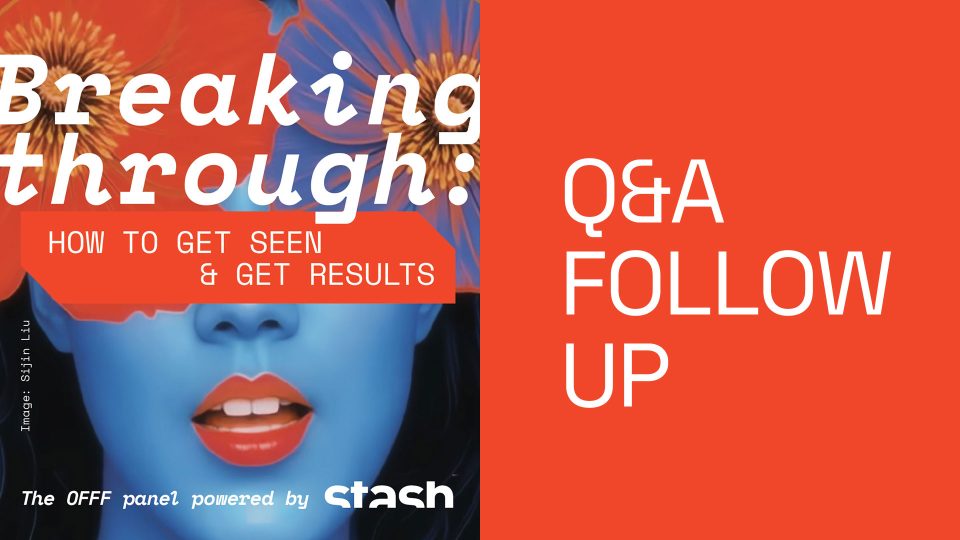
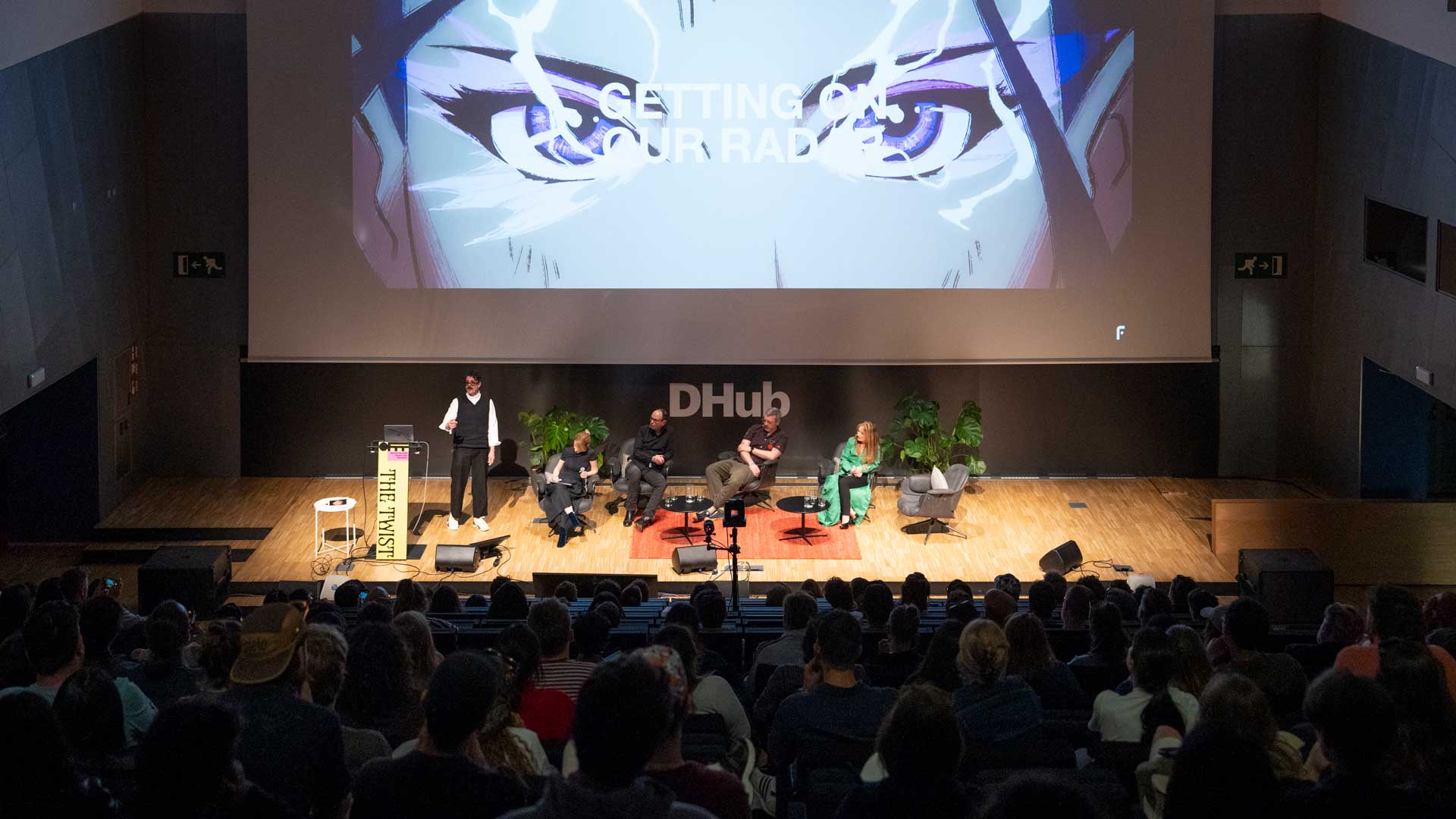
The Stash panel at OFFF 2026 – BREAKING THROUGH: How to Get Seen & Get Results – generated far more audience questions than we could address on stage. Part 2 of our follow-up answers queries about getting started in design and dealing with self-doubt.
• OFFF Barcelona
• April 17th, 2026.
• Moderated by Lidia Scarlat (Outnest) with panelists Stephen Price (Stash Magazine), James Callahan (FutureDeluxe & Forever), Danixa Diaz (iartists+), and Gus Karam (Final Frontier).
Danixa: “If the portfolio isn’t there yet, lead with research and strategy. Build dossiers on your dream clients. Invest in spec work. Use social media as your free billboard. Process is content. Point of view is content. Your hustle is your first portfolio piece.”
James reframes it: “A lot of the best creative work starts from a blank page or an empty bank account. When you have nothing, there’s actually a huge amount of freedom because you’ve got nothing to lose. Most people got into this industry because they love creating something from nothing. Rather than fearing the blank space, embrace it. It’s often where the most original work comes from.”
“Use social media as your free billboard. Process is content. Point of view is content. Your hustle is your first portfolio piece.”
Stephen is the most prescriptive: “Build your portfolio and reel with spec projects. Choose a brand or product you’re passionate about and create your best work around it. Repeat. Repeat. Repeat.”
Lidia and Gus both recommend industry events: “This is where most people are eager to meet new people, even the people who may never reply to your cold email. One warning about energy though: many young creatives try too hard to sell immediately. Use events to open doors, not to close deals.”
Danixa gives the neuroscience answer: “Fear is simply your brain saying you have not done this before, be careful, you might be criticized, stay here where I can protect you. But fear is also the signal you’re about to stretch and grow. My formula: Decision + Action = Transformation. Momentum is what dissolves fear, not certainty.”
James is matter-of-fact. “Every time we put work into the world, we’re revealing something personal about ourselves: our taste, our talent, our perspective. That can feel incredibly vulnerable. But there’s no shortcut around it. It’s no different from presenting work at university, getting critiqued in class. It never fully disappears, but over time you build resilience.”
Stephen is the bluntest: “If your fear of what people think of you and your work is holding you back, you may simply be in the wrong career. Design is, by definition, for an audience. Practice dealing with feedback, good and bad. Start by posting your work on Behance, respond to comments, and branch out from there.”
“Opportunities rarely arrive without asking. Reach out, send the email, make yourself visible. People buy people. They don’t just buy portfolios.”
James reaches for solidarity. “Almost everyone suffers from impostor syndrome. Opportunities rarely arrive without asking. Reach out, send the email, make yourself visible. People buy people. They don’t just buy portfolios. As Woody Allen said, ‘80% of success is showing up.’”
Danixa argues impostor syndrome isn’t a personality flaw: “When you reach out with relatable insights that speak directly to your target person, you are not bothering them. You are an expert partner showing up to make their lives easier. Set a goal of one to five meaningful outreaches a day. People may not get back to you, and that is not personal. The wins are in the numbers.”
Stephen cuts through: “The irony is that contacting studios and agencies is the cure for impostor syndrome. Bite the bullet and dive in. Interacting with the real world, and the full spectrum of feedback that comes with it, from great to brutal, will provide the context that’s vital to understanding where you really stand.”
Lidia Scarlat @lidiascarlat
Stephen Price @stashmedia.tv
James Callahan @futuredeluxe
Danixa Diaz @iartists.tv
Gus Karam @finalfrontier.tv