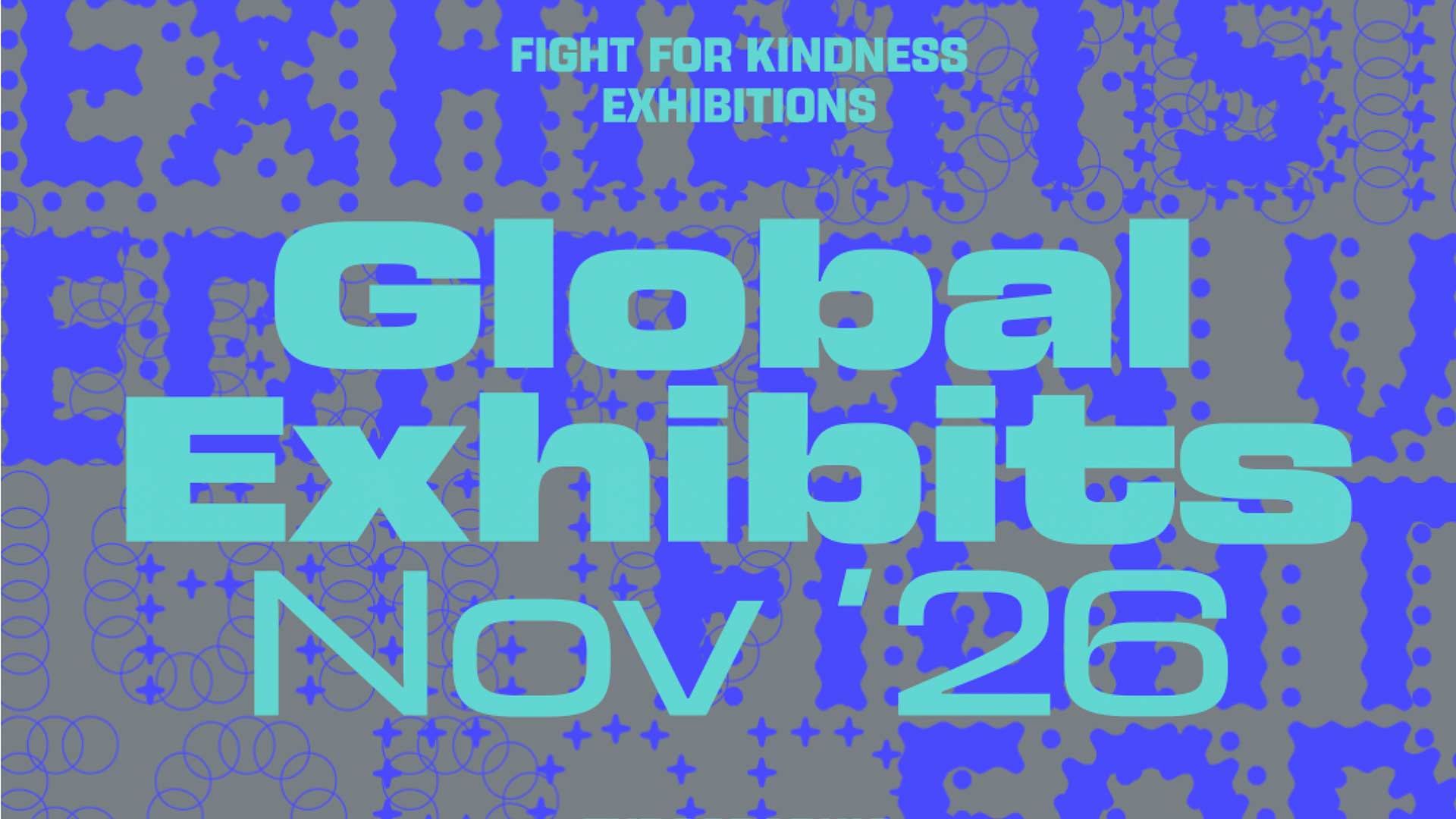

Fight for Kindness Poster Exhibits Launch Nov 13 in 5 Cities
October 22, 2026
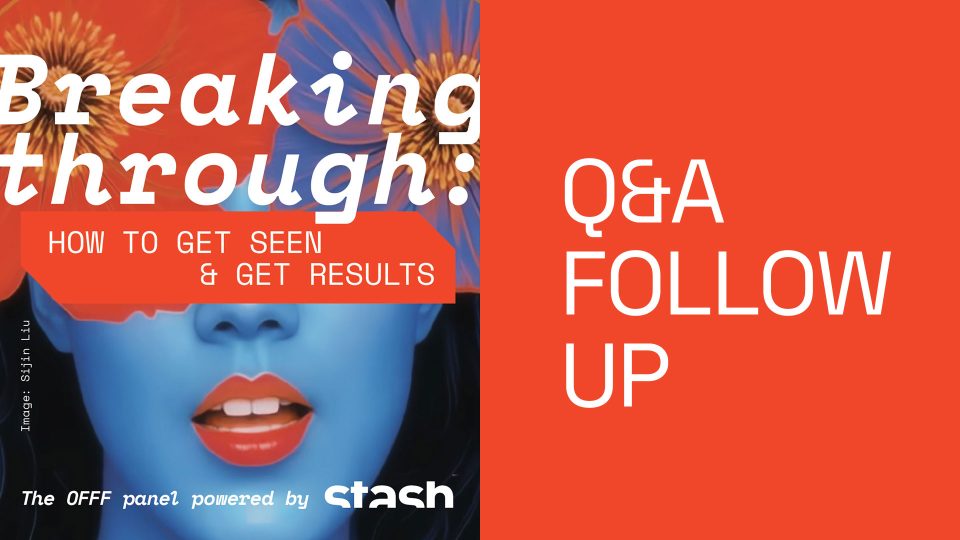
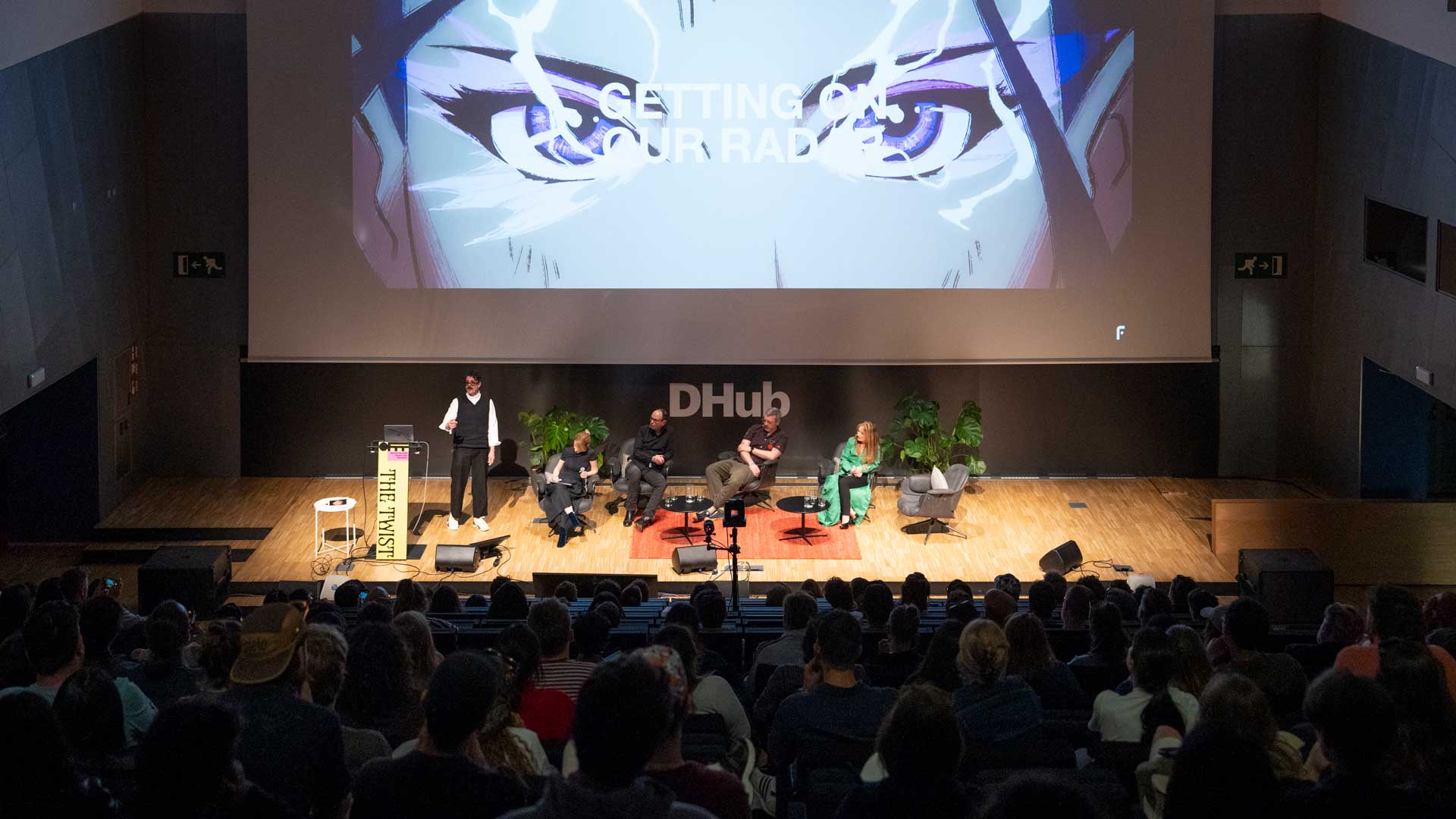
Our hit panel at OFFF 2026 – BREAKING THROUGH: How to Get Seen & Get Results – generated far more audience questions than we could get to. Part 1 of our follow-up answers the many queries about portfolios/reels and pitching.
• OFFF Barcelona
• April 17th, 2026
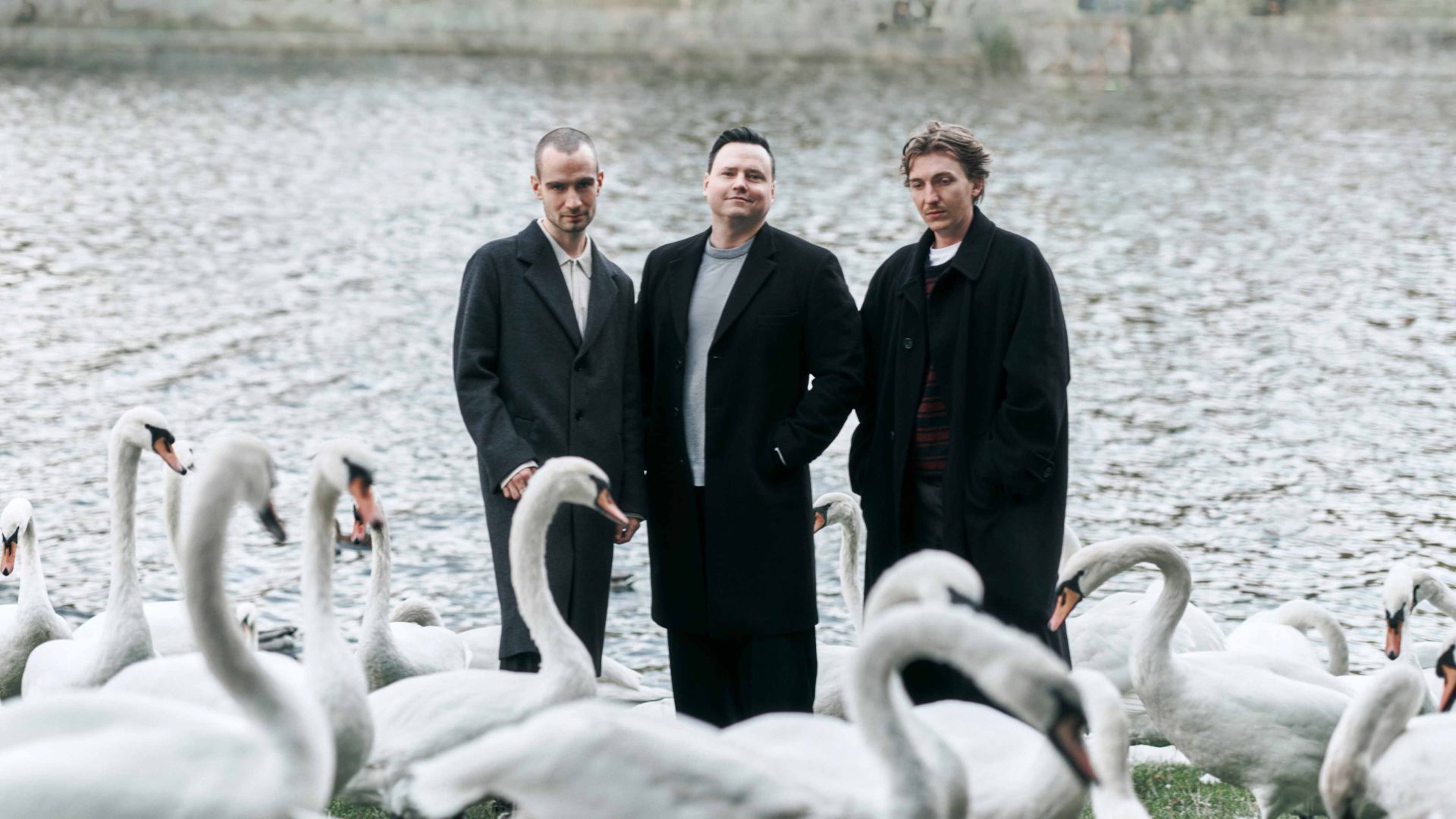
• Moderated by Lidia Scarlat (Outnest) with panelists Stephen Price (Stash Magazine), James Callahan (FutureDeluxe & Forever), Danixa Diaz (iartists+), and Gus Karam (Final Frontier).
Gus thinks so. “A reel will not save a weak portfolio, and it will not magically hide mediocre work.” A reel is a trailer, not the movie, a fast way to read someone’s taste and abilities. If you work across very different industries, a few tailored reels help. But the reel isn’t what builds careers. “I’ve seen amazing artists with average reels get hired constantly, and artists with super flashy reels struggle because the work behind it wasn’t strong. Focus much more energy on building great projects than obsessing over the perfect reel every two weeks.”
“The most visible people in the industry are not always the ones with the biggest reel. They are the ones that consistently show up, share generously, and own their expertise out loud.”
Danixa mentions that “the most visible people in the industry are not always the ones with the biggest reel. They are the ones that consistently show up, share generously, and own their expertise out loud.” Even when it comes to strategic work that isn’t necessarily visual, “document it, talk about it, publish it”.
Gus: “For artists, honestly not at all.” Personal work tends to show passion, initiative, experimentation, and real creative voice. The picture changes slightly for directors. “It can become a small red flag only if there’s zero evidence the person can operate in a real production environment.” Directing isn’t only good ideas or beautiful frames. It’s leadership, communication, handling pressure, feedback, budget, schedules, clients, teams.
Lidia reveals that personal projects are where she looks most closely when browsing portfolios. She always asks artists what they most love working on, believing that talent matched to genuine interest produces better work than talent matched to a brief.
Stephen, from inside Stash’s process: “Stash acknowledges all submissions with a return email, usually within 24 hours. Ghosting is not something we would ever consciously do, except if the entry is completely irrelevant or unintelligible.” On spam: if you use the Stash Submit page, your submission always arrives. “It’s hard to answer for other publishers, but if you haven’t heard back after five working days, you can certainly try following up.”
Lidia adds the producer’s side: keeping in touch with producers and talent managers, and occasionally updating them on your upcoming availability, is normal practice. A short heads-up can land at exactly the right moment.”
Danixa defaults to the power of three. “Cognitive psychology shows the brain retains information best in groups of three: the minimum to establish a pattern, the maximum before cognitive load kicks in.” Three distinctive ideas, each solving the problem a different way. But the real answer, she says, starts earlier: ask the client directly. Her favorite question: “Are there any directions you’re excited to see, or hoping to avoid?” And watch for internal sabotage. “A strong idea presented by a divided team will almost always lose to a good idea presented by a united one.”
“Personally, I believe in putting most of your energy into one truly strong idea. Show variations or scale by budget if you must, but clients respond to conviction.”
James lands elsewhere. “Personally, I believe in putting most of your energy into one truly strong idea. Show variations or scale by budget if you must, but clients respond to conviction. If you present five completely different directions, it can feel like you’re still figuring out the answer yourself.”
Gus sits between them. “It completely depends on timing, resources, and the actual strength of the creative. In the end it’s always a puzzle.” Multiple strong options can reassure a client; multiple average ones waste everyone’s time. “The mistake is when people present three average versions of the same idea just to look ‘complete.’ One strong idea with conviction is usually more powerful than three safe ones.”
Lidia Scarlat @lidiascarlat
Stephen Price @stashmedia.tv
James Callahan @futuredeluxe
Danixa Diaz @iartists.tv
Gus Karam @finalfrontier.tv