


Blinkink to Represent Director Léa Esmaili in the US Market
September 16, 2026

Nerdo ECD Claus Cibils just dropped the latest in his series of Stash editorials on the competitive pitching process, a detailed look into the importance of clarity and consistency in the project brief.
You know you nailed the brief. Your pitch is spot on. Then someone else wins. Fair enough. That happens. But then the questions start creeping in:
What did we miss? Where did we fail? Did they do it better? Or were they playing a different game? Maybe even a different league? That is where the whole rule set starts to show its cracks.
Losing is part of pitching. No one should win every time. Sometimes another team has the stronger idea, sharper treatment, better director, better craft, better chemistry, or simply the answer that best fits the project.
“The problem starts when expectations, the ask, and the rules of the game are not clear. Then it becomes anyone’s game. And anyone’s game is not the same as fair play.”
That is fair competition. The problem starts when expectations, the ask, and the rules of the game are not clear. Then it becomes anyone’s game. And anyone’s game is not the same as fair play.
A team can follow the brief closely and lose because the room wanted something bolder. Another can push further and lose because it went too far. Another can go bold and win because the room wanted a surprise all along.
So the question is not whether the answer should be safe or bold. The question is whether anyone made the real appetite clear. What was the brief for? Where is the process, if everyone is still guessing?
Was the brief there to define the problem?
Was it there to guide the teams?
Was it there to align the room?
Was it there to create a fair comparison?
Was it there to clarify what could win?

Or was it just the first version of a thought the pitch was expected to finish? Because those are different things. And they create different responsibilities.
If surprise is welcome, say so.
If risk is welcome, say so.
If the reference is only a doorway, say so.
If the room is looking for a strategic stretch, say so.
If the brief is fixed, say so.
If the brief is still alive, say so.
Otherwise, teams are not competing against each other. They are competing against invisible criteria. And invisible criteria do not create fair options. They create advantage for whoever already knows how the room works.
Clients and agencies may want creativity, but the system often rewards speed, production power, and commodity. That is where the imbalance gets sharper.
“A pitch can carry instinct, chemistry, surprise, and taste. It should. Those things matter. But taste still needs a field. Instinct still needs direction.”
That does not mean smaller teams cannot win. They can. Sometimes David absolutely beats Goliath. But unclear rules do not burden everyone equally.
The smaller or newer the team, the more every guess matters. Every unclear expectation costs more. Every wrong read leaves a bigger mark. That is where muscle starts to matter. Not better thinking. More force. More people. More versions. More ability to absorb waste.
At that point, the pitch is no longer just a creative game. It becomes a muscle game. A relationship game. A what-if game.
That is not the best idea winning. That is the best-equipped guess surviving the room. And that should make everyone uncomfortable. Because the purpose of a pitch should be to let the best idea have a fair chance.
A pitch can carry instinct, chemistry, surprise, and taste. It should. Those things matter. But taste still needs a field. Instinct still needs direction. Surprise still needs a relationship to the ask. And judgment still needs enough structure to be understood.
Otherwise, “best idea wins” becomes a very pretty sentence with very blurry rules.
Follow Claus on LinkedIn and Instagram.
WE LOVE PITCHING: Let’s change the way we play the game.
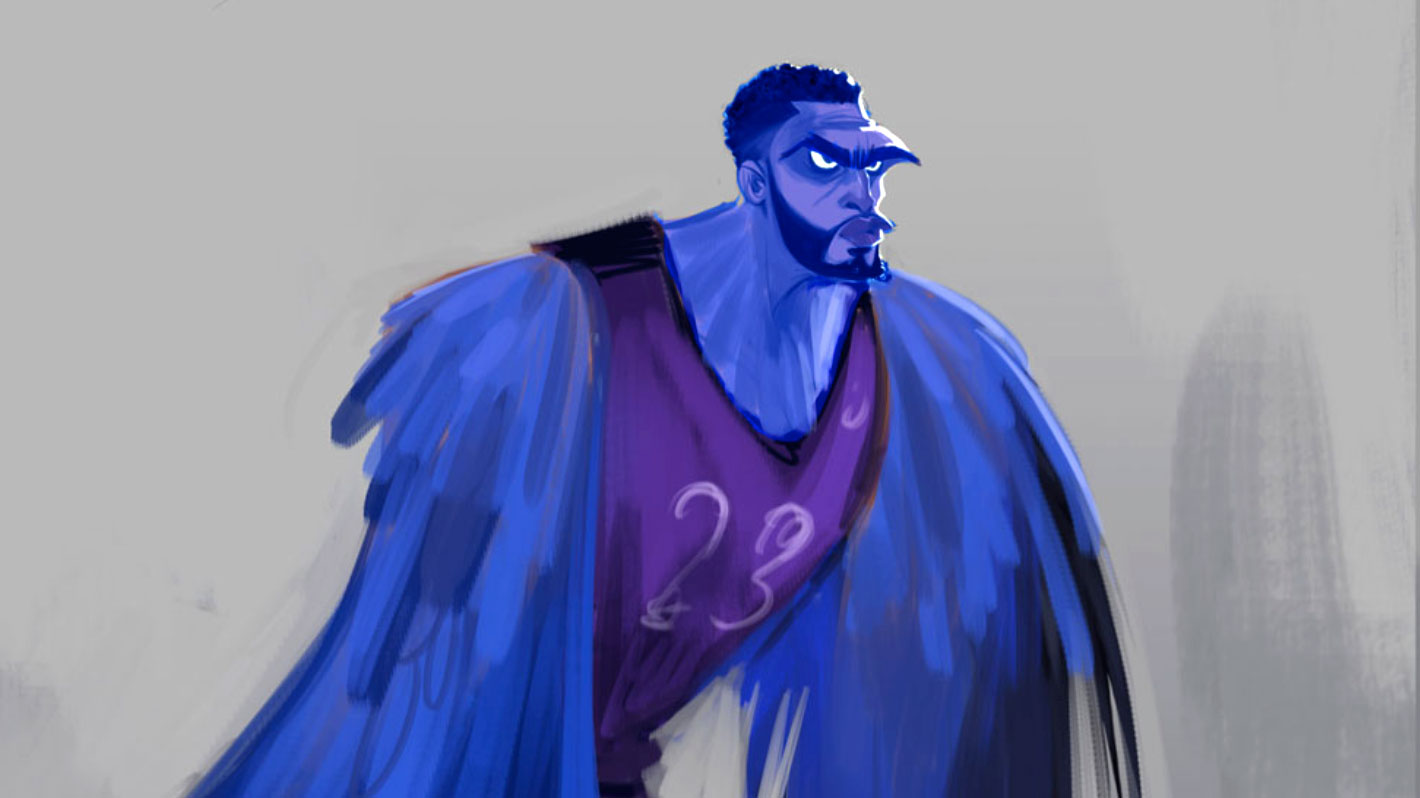
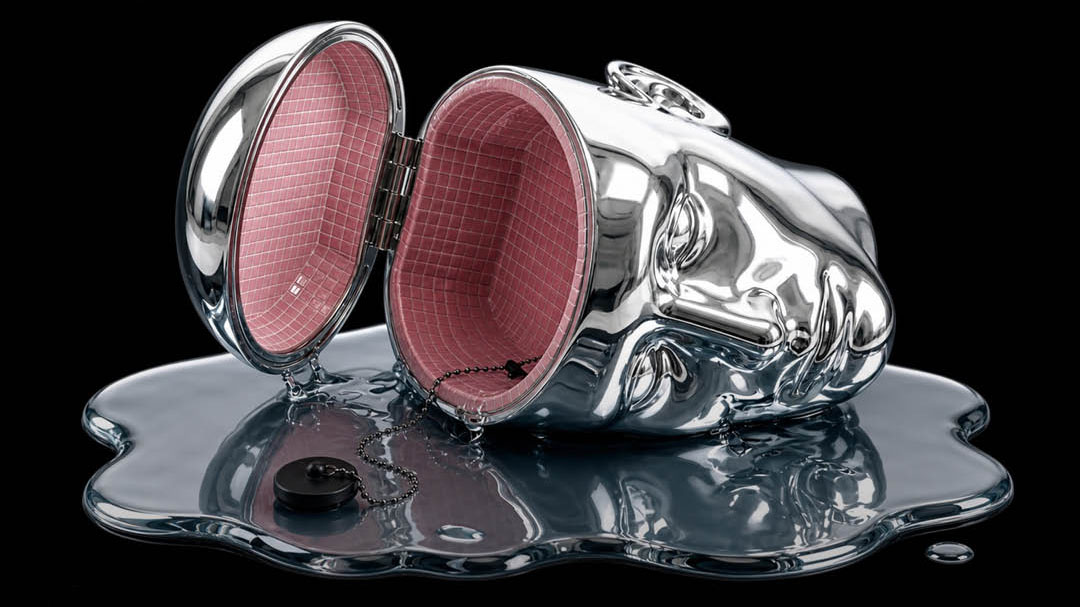
DISCLAIMER: All images are AI-generated. If it feels real, uncomfortable, or a little ridiculous, it’s intentional. Artificially made. Human crafted.