Blinkink Signs Australian Director Radheya Jang for Worldwide Representation
September 24, 2026
In the latest chapter of his series of Stash editorials, Nerdo ECD Claus Cibils breaks down the loaded subject of who owns what in the creative pitching process and how ideas could be protected.
Back in the day, I used an old music-industry trick. Print the whole pitch — like musicians used to do with recorded demos. Put it in an envelope. Send it to myself by certified mail. Never open it.
Simple idea: create a timestamped record of the work before sending it into the world. A little paranoid, maybe. Still, not completely crazy. Because there is a fear that sits quietly inside almost every pitch.
You give the room your best thinking. The concept. The treatment. The structure. The visual language. The way into the problem. Then you do not get the gig. The hard part comes months later, when you are browsing, and something pops up. Your stomach does that little elevator drop.
“Some ideas will naturally rhyme. But that is not the problem. Copying. Using parts. Fishing from rejected proposals. And making it with someone else. Definitely not OK!”
It feels a little too familiar. Not identical. Not a lawsuit wearing shoes. But close enough to make everyone suddenly very calm, very professional, and very careful with language. You did not direct it. Your studio did not produce it. Something is different from what you remember, but not different enough. Different haircut on the same dog.
That is where this gets messy. Creative work is built through influence: borrowed ideas, references, remixing, collision, mutation. You “steal like an artist” and make something different.
In a pitch, overlaps will happen. Teams respond to the same brief, often with similar references, the same audience, and the same pressure in the room. Some ideas will naturally rhyme. But that is not the problem. Copying. Using parts. Fishing from rejected proposals. And making it with someone else. Definitely not OK!
That is exactly why protection has to exist before the idea is exposed. This is where the MNDA — Mutual Non-Disclosure Agreement — comes in. NDAs exist because information has value. Fair. But in a pitch, value should move in all directions equally. So the MNDA protects all of us. A one-way NDA protects the brief. An MNDA protects the exchange.
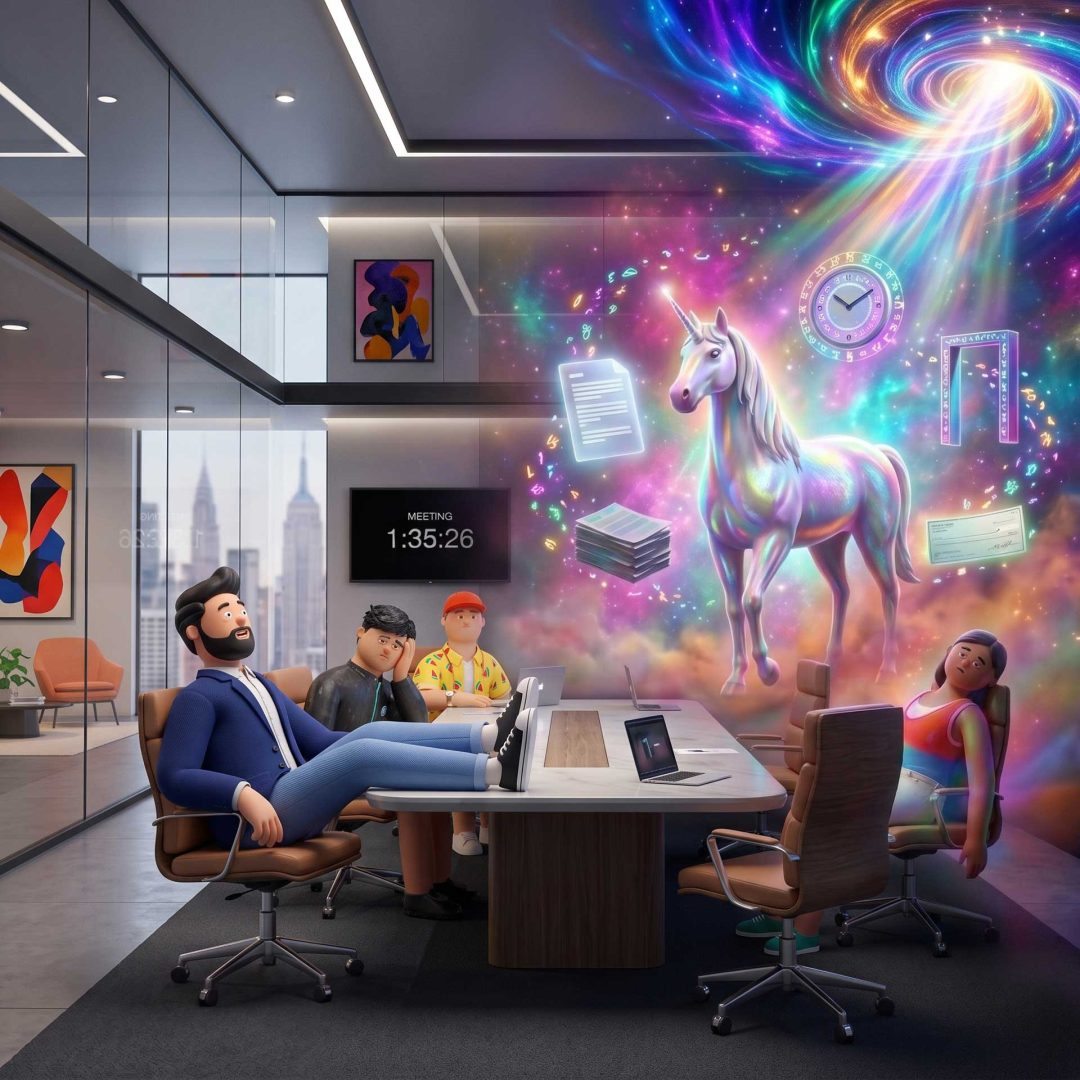
There is business information: strategy, budgets, timelines, product details, internal plans, business context, and sensitive material. And there is creative business information: the proposal, treatment, concept, structure, visual language, script, references, production thinking, and specific approach developed for the pitch.
A shared proposal should not quietly become free usage rights. Unselected ideas are not spare parts. They are not free research. They are not an idea bank for a future campaign. Review is not ownership. Access is not permission to use. Evaluation is not a transfer of rights.
But what if the pitch is paid? In some fields, like TV branding, the pitch content may be for sale. There is nothing wrong with selling the work. There is nothing wrong with buying the work. For the right price. Under the right conditions.
“Review is not ownership. Access is not permission to use. Evaluation is not a transfer of rights.”
For sure, this can feel like David versus Goliath. If someone uses my treatment anyway, what can I really do? The shift begins when we all start asking for and sharing MNDAs. Then mutual protection stops being an exception and becomes part of the pitch.
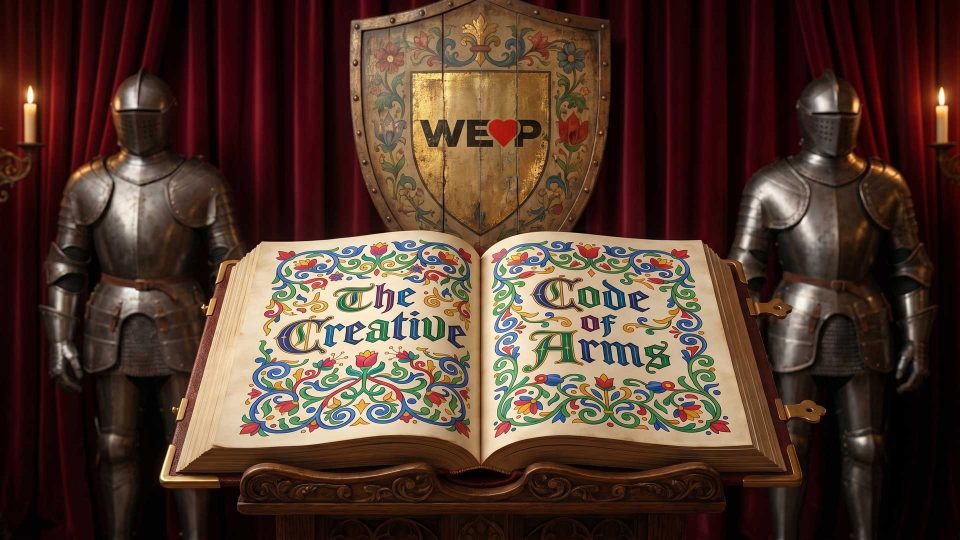
A request becomes an expectation. An expectation becomes a habit. And a habit starts changing the culture. That is the Code: Before sharing pitch material or creative ideas, an MNDA must be in place.
At its core, the MNDA should define:
• Who can access the proposal.
• How, what, and when the content can and cannot be used.
• Who owns the proposal before and after the pitch.
• Whether payment covers participation or buys rights.
• What is retained, deleted, or archived after the pitch.
• What record of the submitted and selected work remains after the award.
Protect the information. Protect the creative proposal. Protect the difference between seeing an idea, paying for participation, and buying the work. Being invited to see an idea is not permission to use it. Losing the pitch should never mean losing the idea.
Ask for an MNDA. Share an MNDA. You gotta Protect Ya Neck.
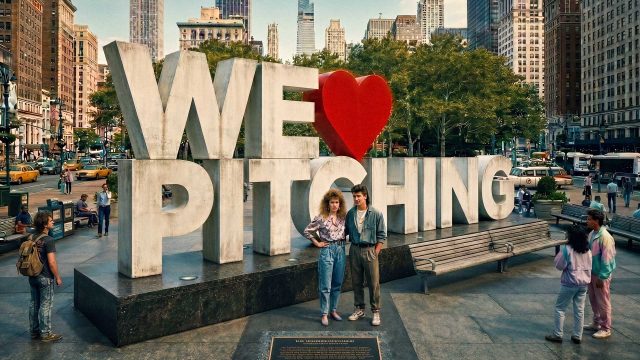
WE LOVE PITCHING
Let’s change the way we play the game.
Follow Claus on LinkedIn and Instagram.
WE LOVE PITCHING: Let’s change the way we play the game.
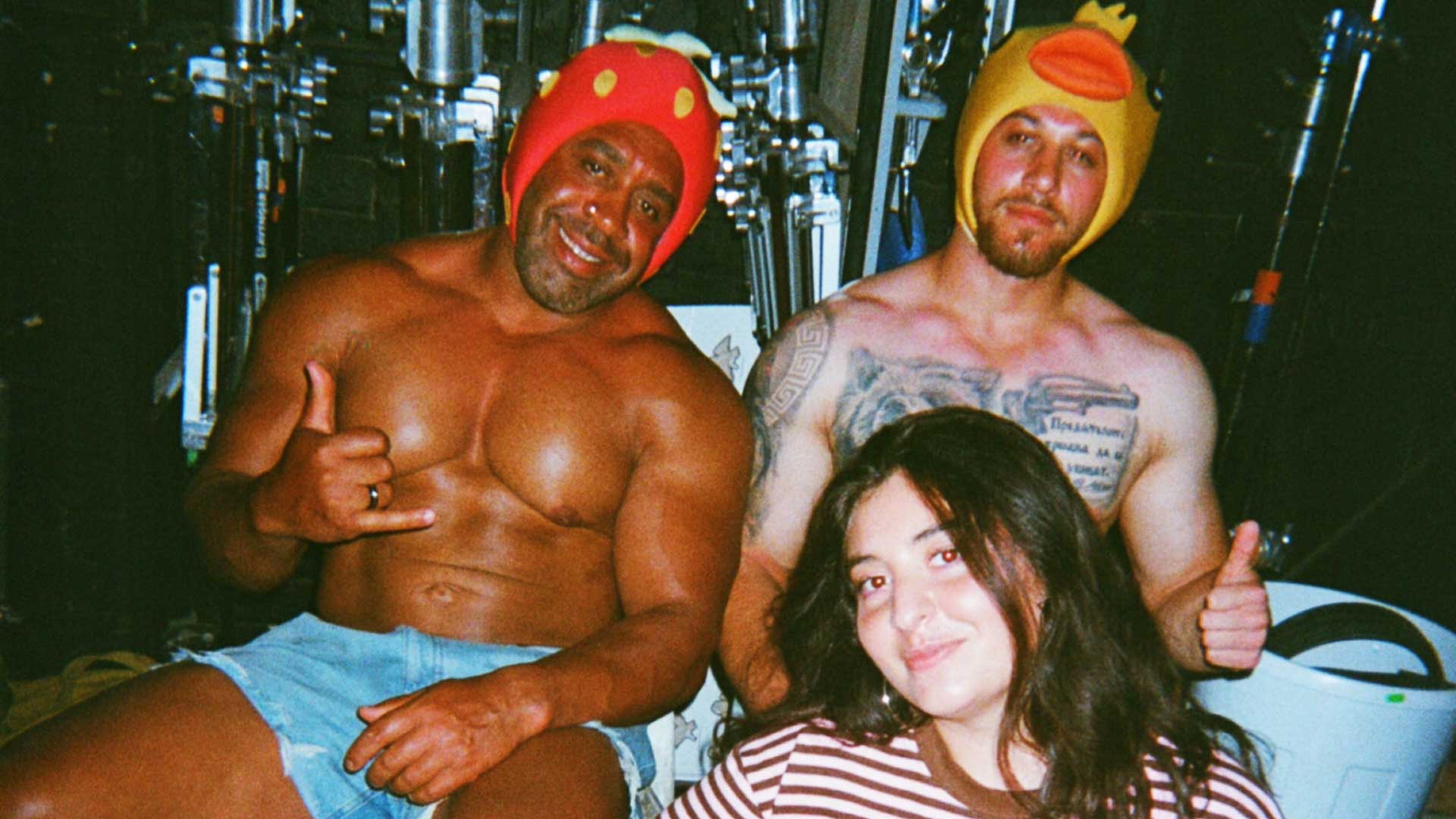
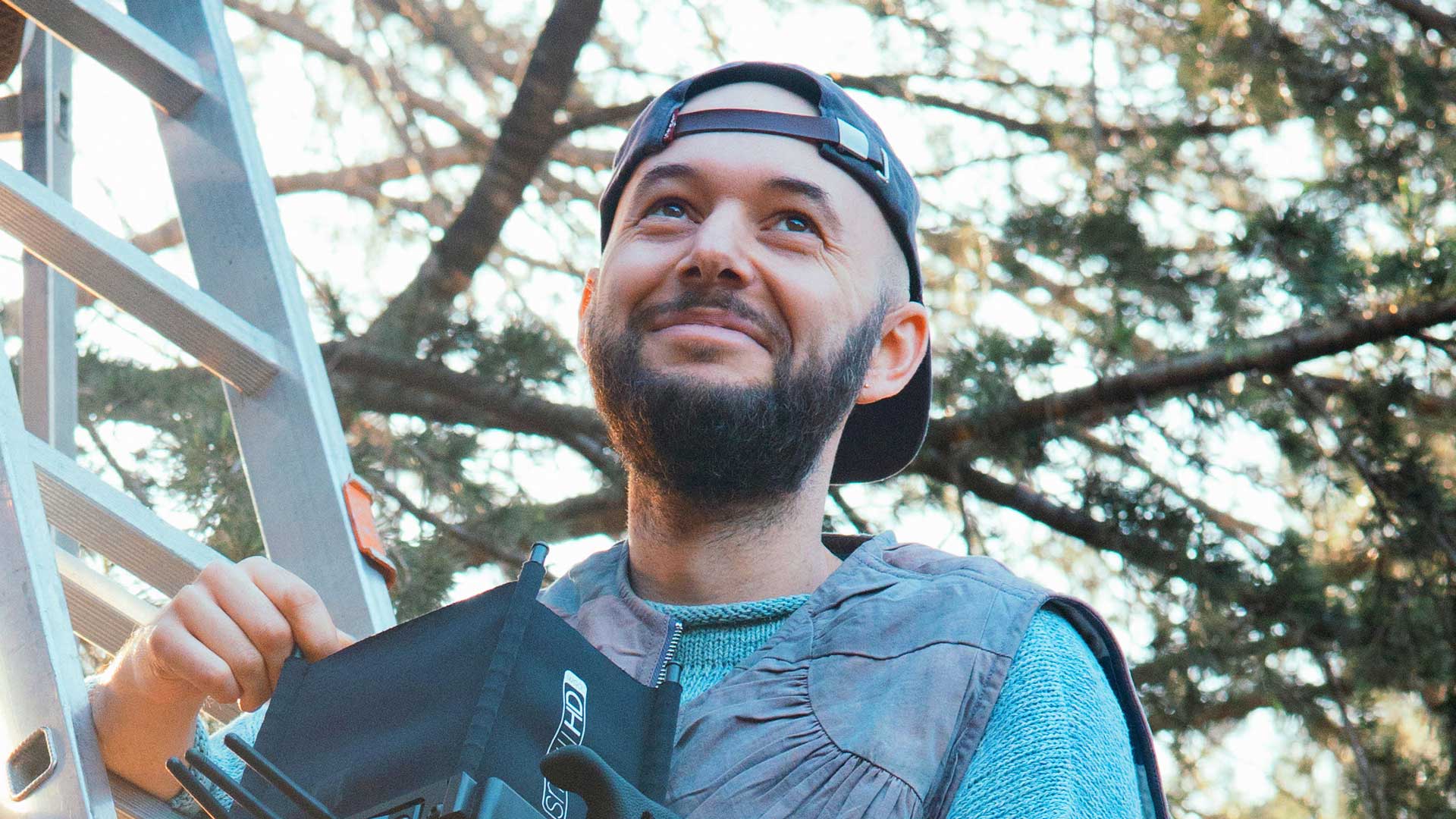
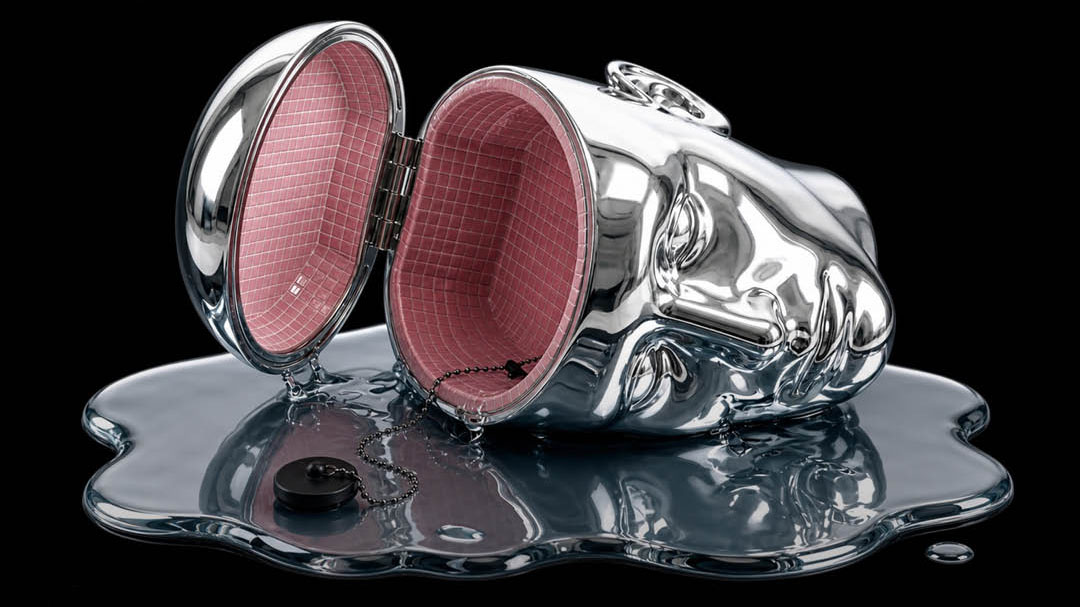
DISCLAIMER: All images are AI-generated. If it feels real, uncomfortable, or a little ridiculous, it’s intentional. Artificially made. Human crafted.