Demo Duck Expands Offerings with ‘DD Docs’
October 15, 2026
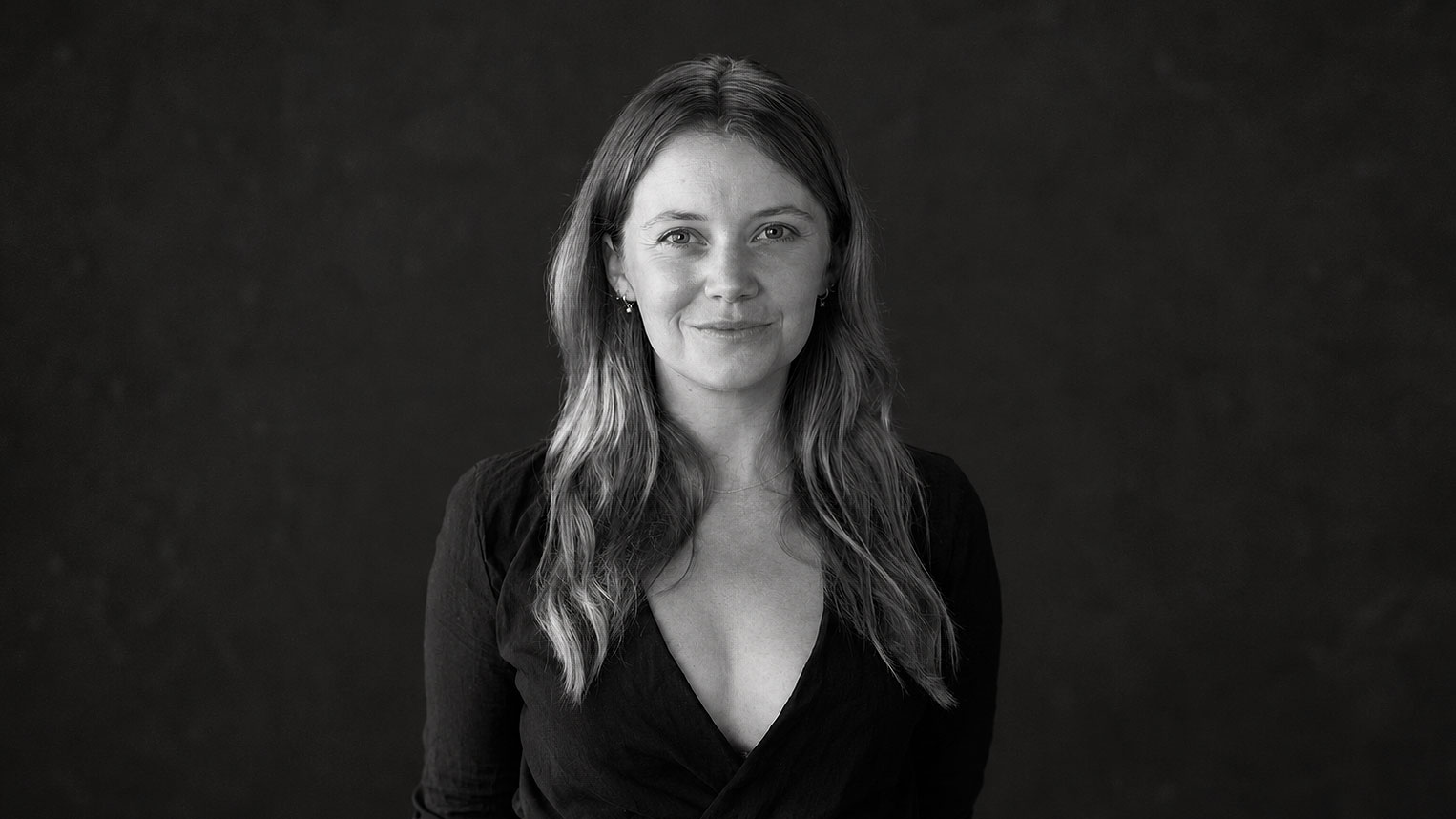
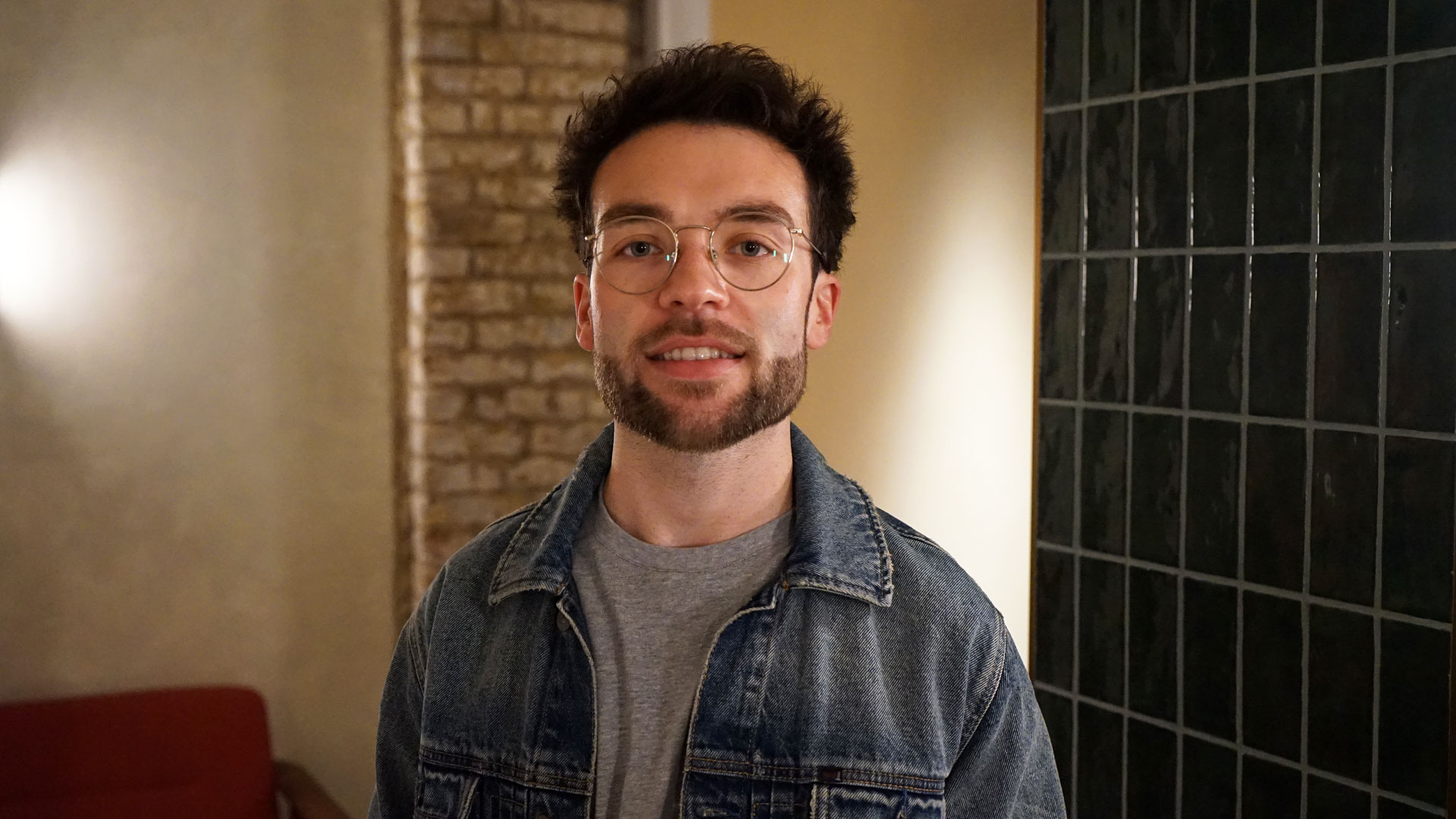
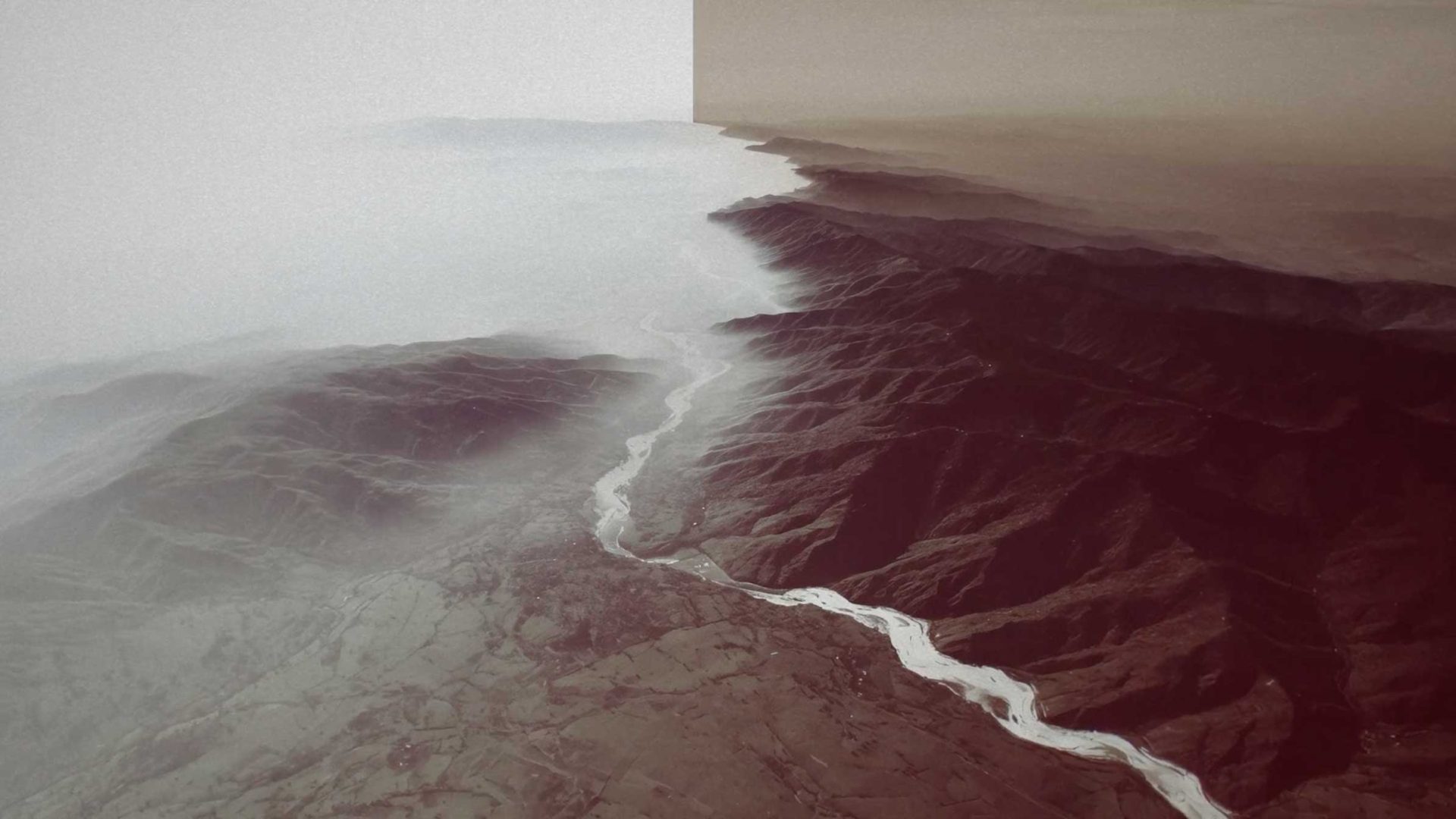
Join FRAME co-founder Anders Schroder for a detailed look at the studio’s approach to using AI in the production of this beautiful film for a new carpet collection from US architecture giant Gensler and Danish manufacturer Ege.
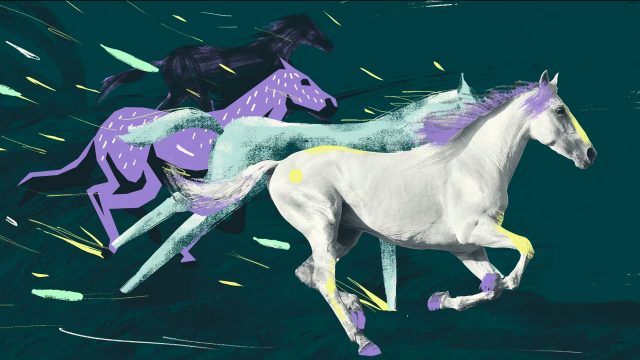
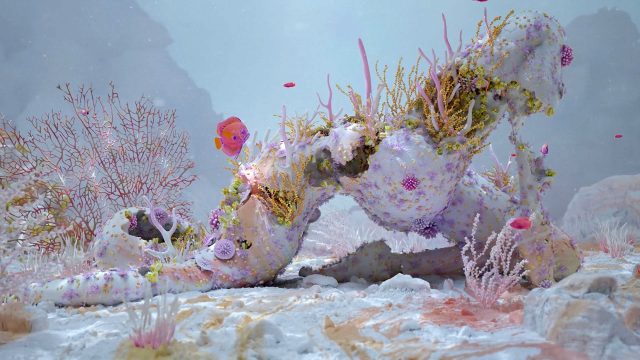
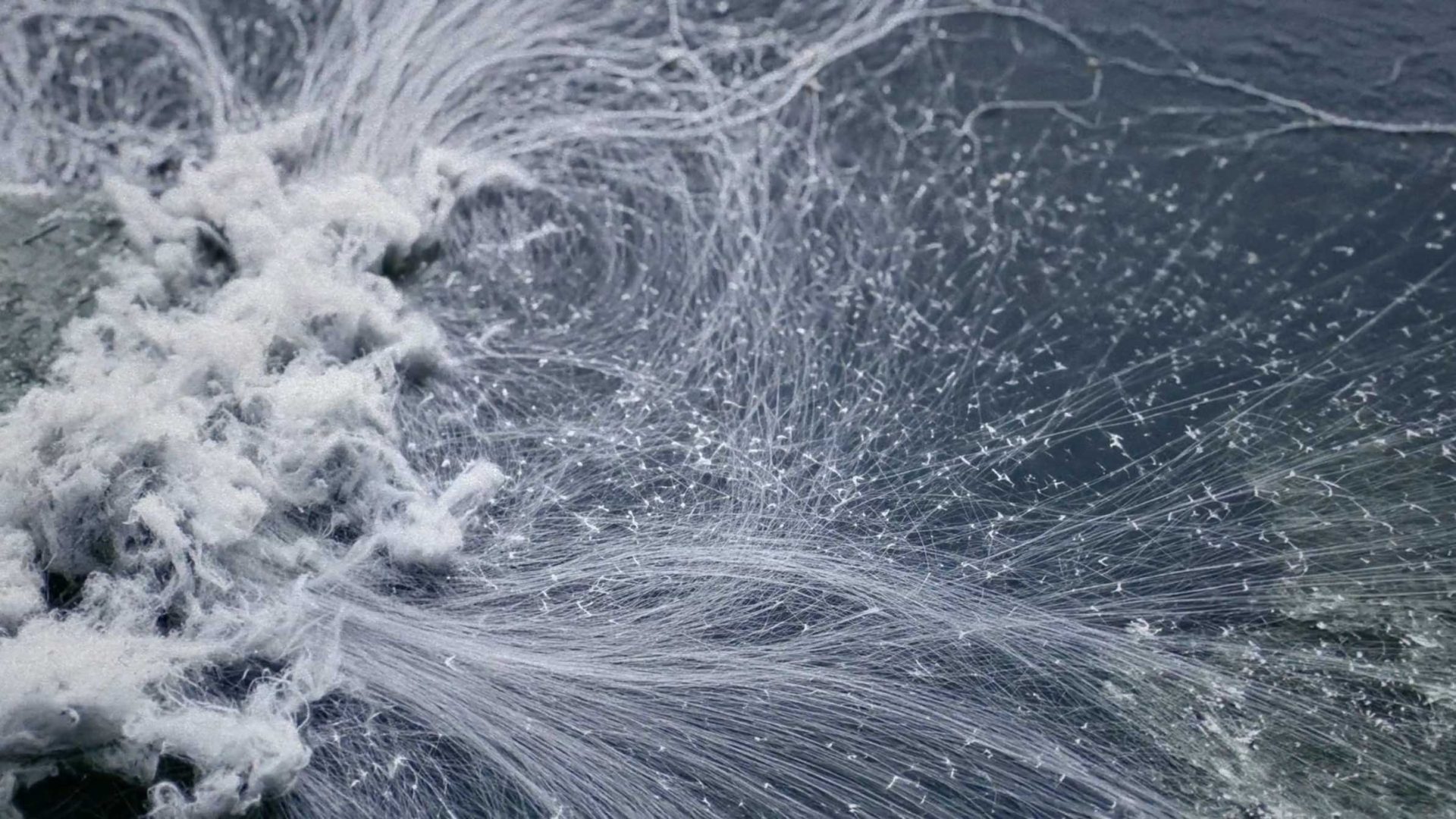
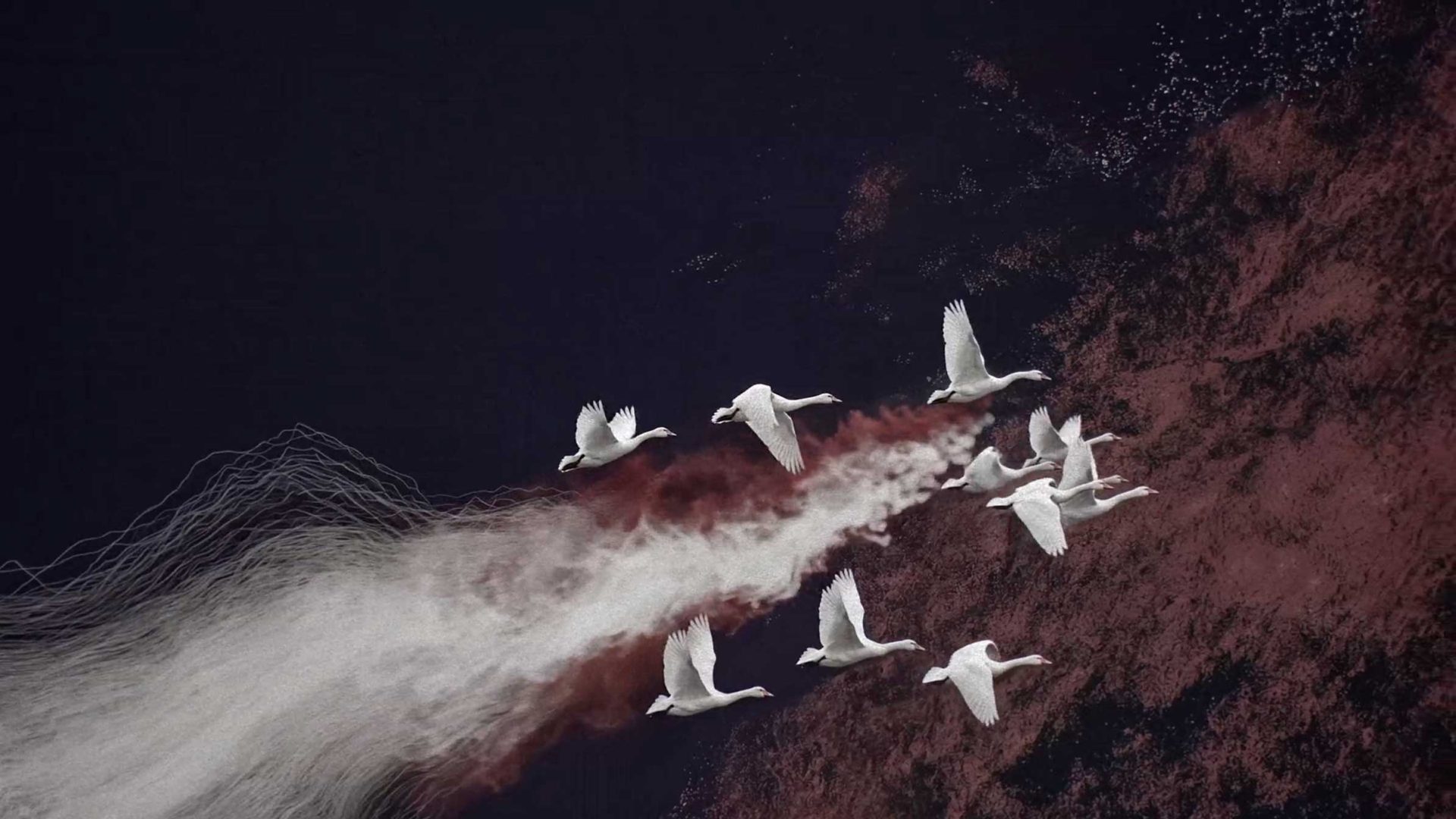
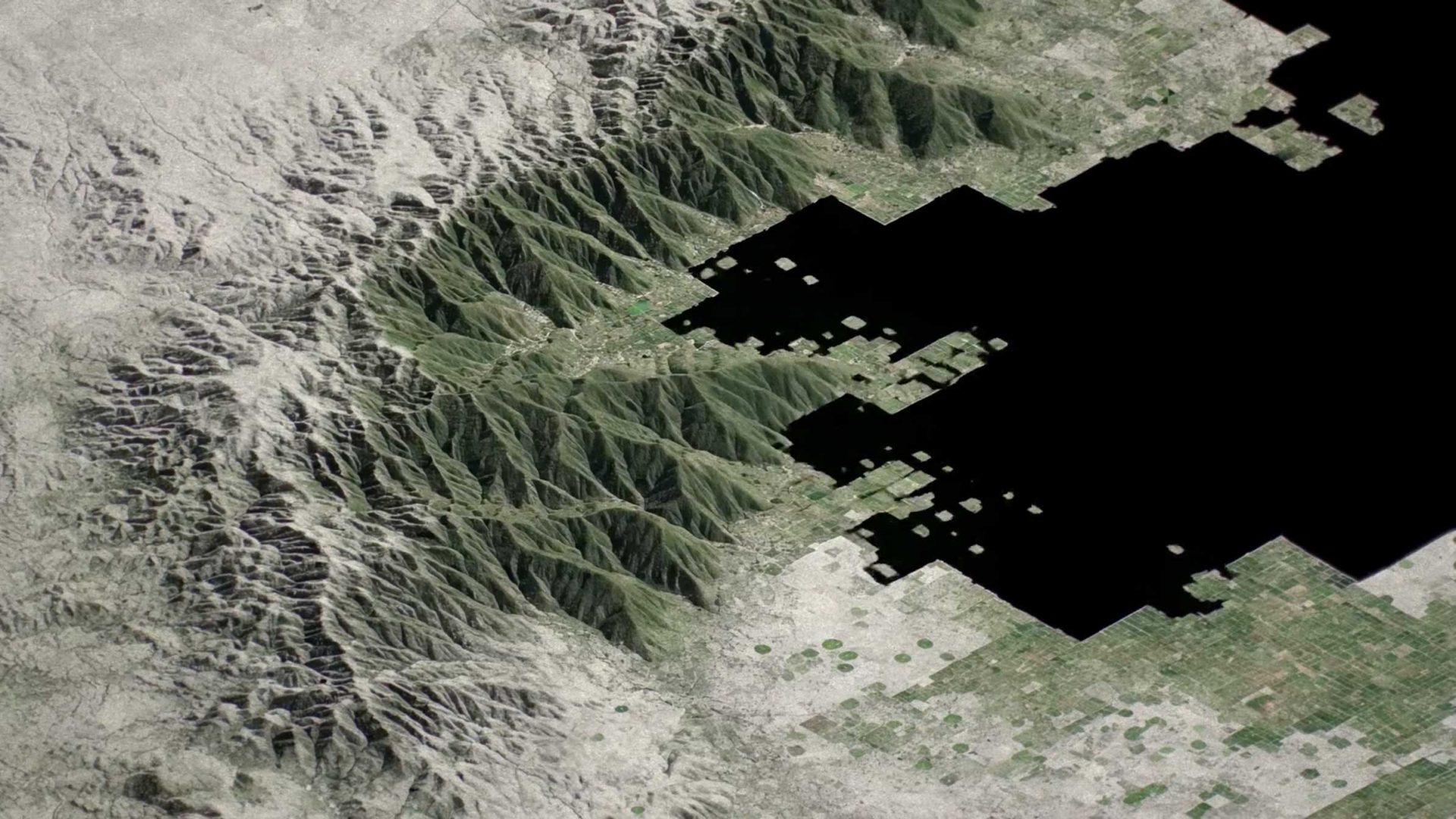
Anders Schroder: The Our Planet carpet series is designed for office environments and draws on patterns from nature and man-made landscapes: topography, bird migration routes, and irrigation fields. Ege wanted a film that told this story without being literal.
Everything in the film was directed and art directed by the FRAME team, while the images and animation were created with a range of AI tools including Nano Banana, Flux, Midjourney, Kling, Seedance, and others. What makes our work distinct is the production pipeline and how we chain those models together, with most shots passing through several models and processes before they’re final.
Coming from a 3D background, we know process is everything. It’s how you get from idea to final result, and how you guide a client through each stage. In 3D you work through style frames, animatic, edit, rendering, and finishing. AI calls for a different pipeline, but the same discipline.
One real advantage over 3D is visibility. In 3D you start from a blank canvas, and nothing looks like much until late in the process, which asks a lot of trust from the client. With AI, the client sees a lot very early, and once the art direction is locked, it’s easy to generate more in the same vein. Clients enjoy that.
“Unless you do everything yourself, you always give up some control when you work with a team. With AI you give up a little, but you get angles, movements, looks and ideas you wouldn’t have come up with alone.”
AI can be hard to steer, and a big part of what we do is keeping it under control. I’d say we control around 95% of the outcome. The last 5% is up to the AI gods. In the animation stage we push the models to their limits, sometimes steering them with 3D, sometimes with 2D, sometimes not at all.
As things stand right now, you have to accept a certain amount of randomness. One real drawback is that you can’t reproduce the exact same movement every time you make a tweak. There are workarounds, but it’s a limitation.
That randomness isn’t always bad. As a director, I don’t find it very different from working with skilled team members. I can brief, but I don’t always know what will come back. Sometimes it’s better than I expected, sometimes it’s worse, and then you try again.
You never have full control over people either, and you shouldn’t, because you want them to bring their own creativity. AI is the same: it often interprets a brief in a way you didn’t anticipate, and I find that hugely inspiring.
Unless you do everything yourself, you always give up some control when you work with a team. With AI you give up a little, but you get angles, movements, looks and ideas you wouldn’t have come up with alone. They still come from you, because you wrote the brief and you decide what to accept. Piece by piece, you build something made by many brains, human and machine.

Client: Ege Carpets
Production: FRAME
Director: FRAME
Music: FRAME