

Meet PATHOS, the New German Agency With Plenty of Attitude (and a Really Long Press Release)
October 20, 2026
Join veteran director Brent Bonacorso for a deep dive into the unique process behind his new short film Query and how he’s built on his 25-years of experience in design, animation, VFX, and live action to harness the potential of AI filmmaking.
Brent Bonacorso: I was thinking about the random questions people ask Chat or Claude all day long, these incredibly specific and often completely ridiculous things that we now expect to have answered immediately.
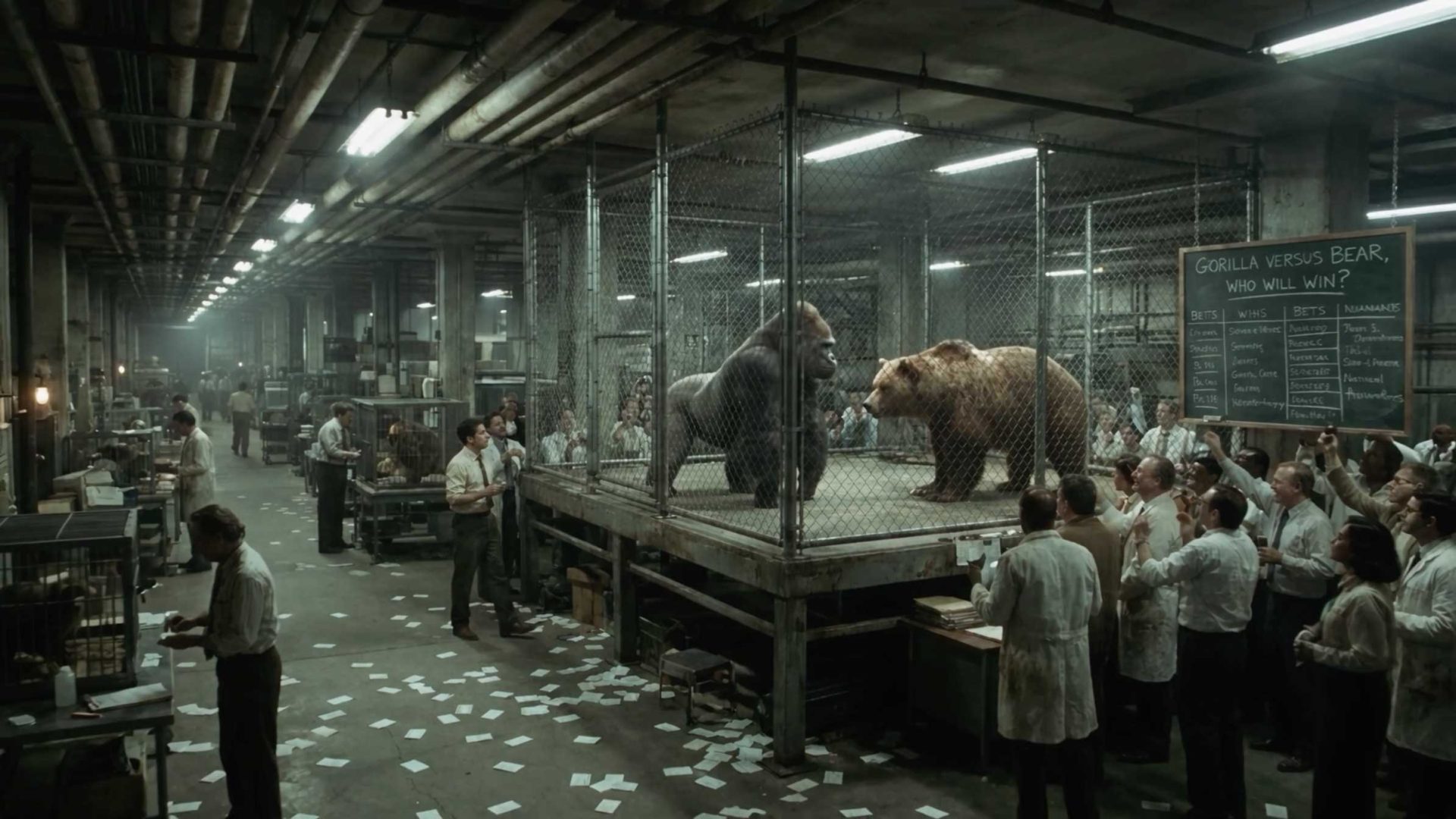
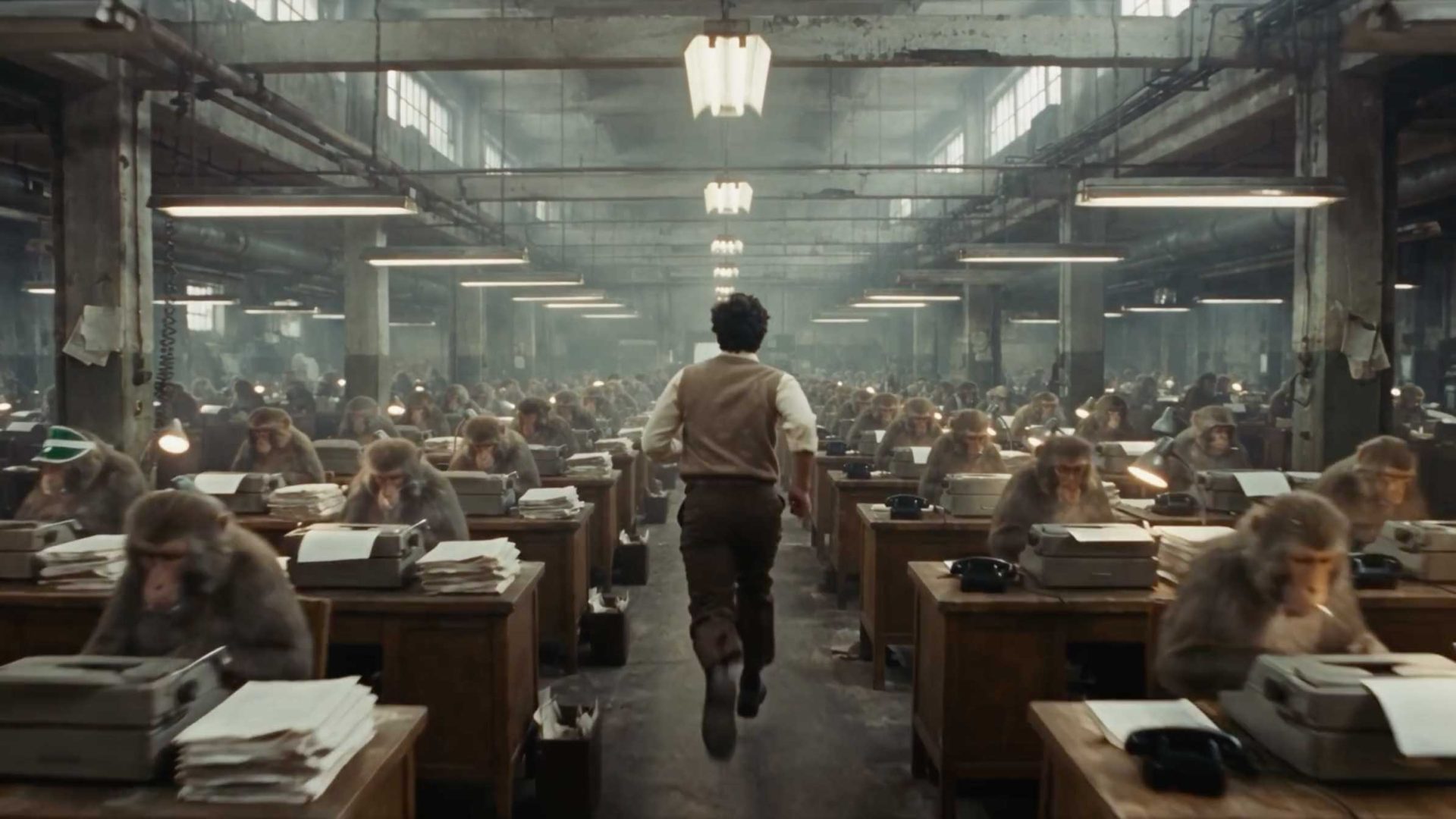
And I thought, wouldn’t it be funny if these AI engines weren’t AI at all? What if the whole thing was a scam and there were actually thousands of people on the other end desperately trying to answer every question however they could?
I have weird little ideas like this all the time, and initially I thought this one might make a funny minute-long piece. But then I started thinking about all the different stages someone would have to go through to answer one of these questions, and I realized this could become an actual hero’s journey for the protagonist.
Graphic design led me into advertising and I spent years as a creative director. But honestly graphic design is much more formative than that, it’s really integral to the way I think. Graphic design is about composition. It’s about color, negative space, hierarchy, knowing where the eye is going to go and how to direct someone’s attention.
It’s also about conveying an idea visually and doing it as clearly as possible. All of that transfers directly into filmmaking. You’re still composing a rectangle. You’re just doing it 24 times a second and adding time, performance, and sound.
Then there’s the advertising background, which has also been incredibly useful, especially as a commercial director. I know what an agency is trying to accomplish, and I understand the strange politics of the agency-client relationship because I was in the trenches. Having that perspective has been extraordinarily useful throughout my career.
I firmly believe in planning ahead, particularly when you’re doing physical production. You can’t have a hundred people standing around on a set while you wonder what you might want to shoot next. There’s too much money involved and everybody has to understand what the goal is.
But AI has started changing the way I work, and not because I consciously decided I was going to change my process. The actual flow of working with AI pushed me there.
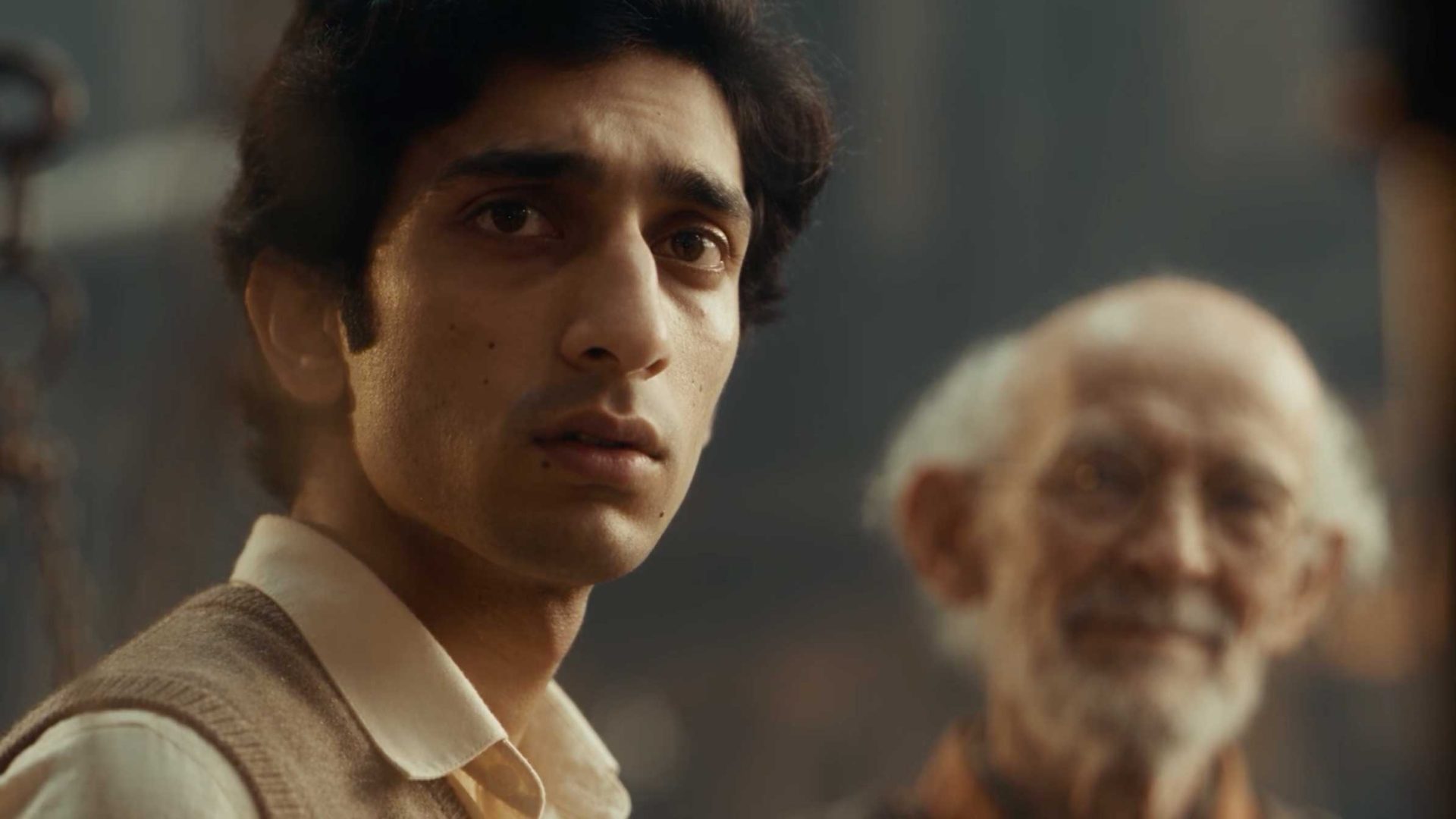
On Query, for probably the first time in my career, I had no storyboards and no finished script. I literally made the film chronologically. I started with the first shot of the man walking down the street, and I worked my way through the film shot by shot.
“You still need to understand character, structure, pacing and how to make people care about what they’re watching. You need to know what a satisfying character arc feels like.”
People talk about vibe coding with AI, and this felt a little like vibe directing. I would make a sequence, look at what I had, think about what should happen next, and then make that.
What was interesting was how much my experience as a filmmaker allowed me to do that. I’ve spent decades thinking about how scenes work, why one shot goes after another shot, where you go wide, where you go close, when you reveal information. I didn’t need to consciously think through all of those things anymore. They were just there.
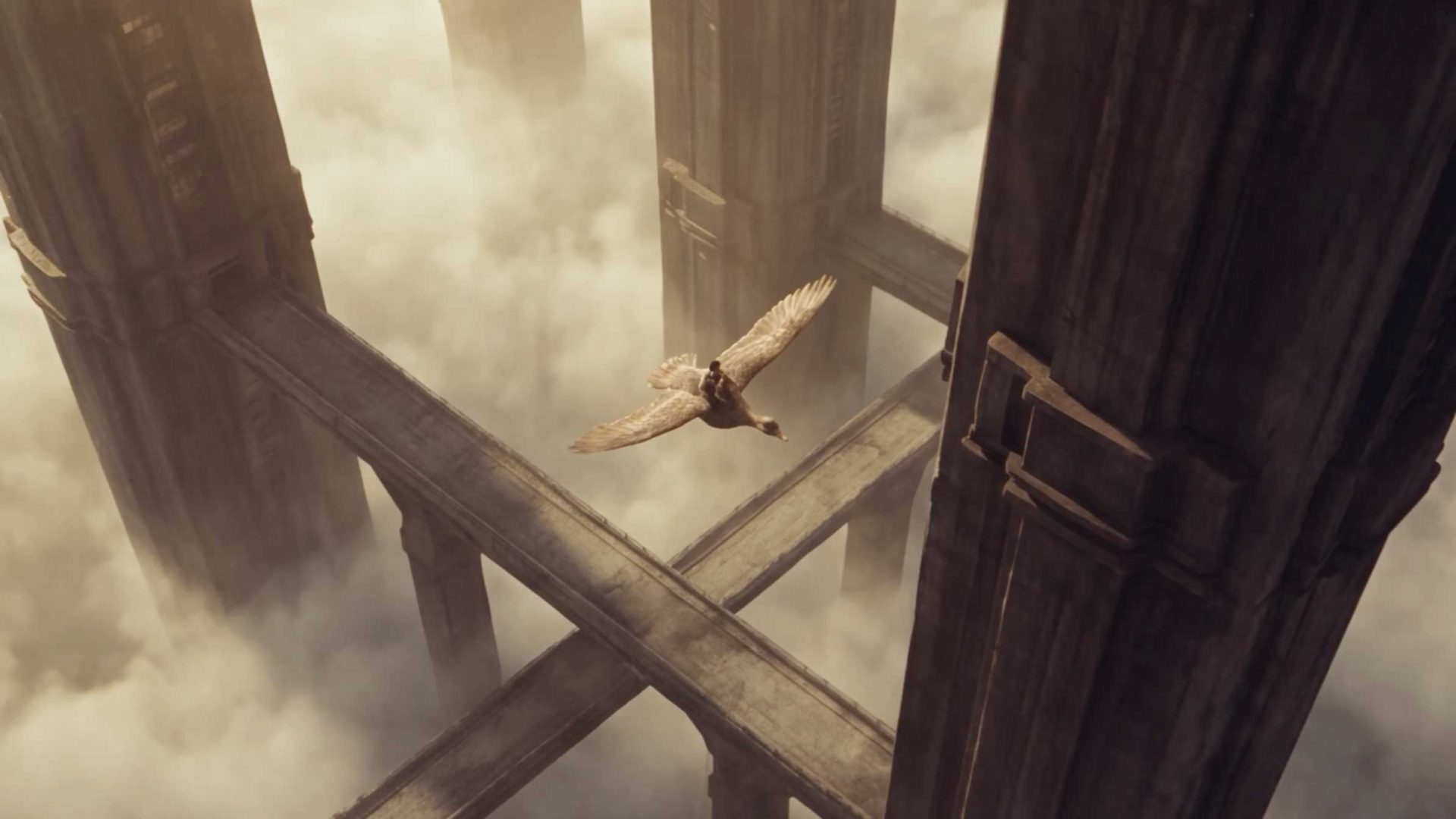
That process also let the story surprise me in a way I’ve never experienced in filmmaking before. For instance, the giant duck started as a background joke. Then somehow the it followed the protagonist through the movie and eventually became crucial to the resolution of the story. I had absolutely no idea that was going to happen when I started.
“People talk about vibe coding with AI, and this felt a little like vibe directing. I would make a sequence, look at what I had, think about what should happen next, and then make that.”
That’s what was so interesting about the process. It began to feel less like filmmaking and more like writing. You hear writers talk about their characters surprising them, or reaching a point where the characters almost tell them what they’re going to do next.
I always understood that intellectually, and I’ve certainly found that in my writing, but I had never really experienced it in filmmaking. With AI, suddenly the story itself can evolve while you’re making it.
On the other hand, the visual side was much more deliberate. One of the first things I did was define the look and the language of the film through the prompts. I knew how I wanted the cameras to behave, what kinds of lenses I wanted, what the lighting was going to be, the color, the texture, all of that.
The post process was actually pretty minimal. I edited the film myself and there was a little color correction where shots needed to match each other better, but most of the look was already baked into the images and the shots from the beginning. I also created the music with AI.
I think the biggest lesson was simply to embrace the discoveries along the way. I did not intend to make a film without storyboards or a script. I figured I would start exploring and then at some point stop, write the thing properly, storyboard it and go back to my normal process. I just never did.
Instead, I let the discoveries take me where they were going to take me. There was something really exciting about feeling your way through a story visually instead of knowing every beat before you started. I don’t think that degree of narrative exploration has ever really existed in filmmaking before.
You still need to understand character, structure, pacing and how to make people care about what they’re watching. You need to know what a satisfying character arc feels like. But the idea that every single part of the journey has to be meticulously mapped out before you start is becoming less important. I find that incredibly freeing. And honestly, it’s just a whole lot of fun.
I still shoot live action, so I don’t really have the opportunity to miss it. At Mise Creative, we do a lot of hybrid work, so we’re still on set with actors and crews and getting that camaraderie and energy of physical filmmaking.
I’ve always said that if you want to make something completely by yourself and have it be entirely your vision, go write a book. If you want to make a film, you have to accept that it’s collaborative.
What generative AI adds is this completely different way of creating. There’s been a lot of debate about whether AI can actually produce anything new, and having worked with it extensively, that argument just doesn’t hold up. You can sit down and within minutes make something that no one has ever made before. That ability to discover is incredibly powerful.
“I genuinely think AI is one of the most significant creative tools ever introduced into filmmaking, and we’re still incredibly early. What interests me now is seeing all the new disciplines and kinds of artists that grow out of it.”
I genuinely think AI is one of the most significant creative tools ever introduced into filmmaking, and we’re still incredibly early. What interests me now is seeing all the new disciplines and kinds of artists that grow out of it.
We’re already seeing people develop extraordinary AI-specific skills, and there are going to be new kinds of filmmakers, image makers, world builders and technicians that we probably don’t even have names for yet.
That’s the exciting part to me. The barriers around making ambitious work are disappearing incredibly quickly. Things that would once have required enormous budgets, stages, huge crews and months of post-production can suddenly be explored by one person sitting at a computer.
Increasingly, the question isn’t, “Can we afford to put this on screen?” It’s, “Can we imagine it?” For a filmmaker, that’s an incredible place to be.
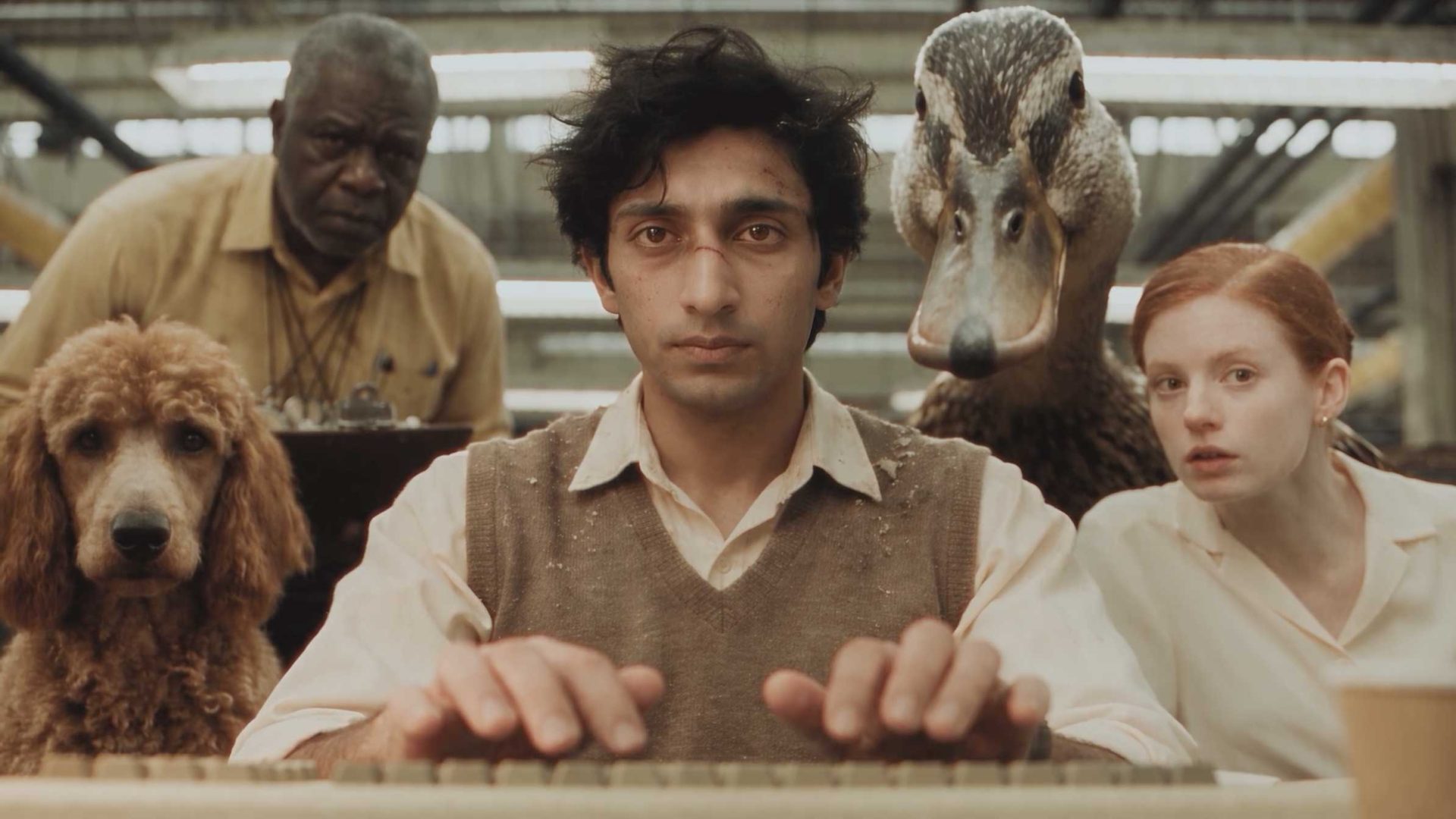
Production: Mise Creative
Writer/director: Brent Bonacorso
Audio: Brent Bonacorso