

Fight for Kindness Poster Exhibits Launch Nov 13 in 5 Cities
October 22, 2026
Nerdo ECD Claus Cibils looks at one of the foundational conundrums of the motion design and animation universe: is all the time, effort, and expense spent on pitching a gamble or an investment?
We like to call it an investment. But is it? A pitch can get a new studio into a room nobody would otherwise invite it into. Give an agency a chance to win an account. Put a different perspective in front of a client who did not know they needed it. Or simply give us the thrill of creative competition.
That is part of what makes pitching worth doing. It’s also how this market works. If we want a shot at certain projects, this is how we get considered. We can believe in our work, have the experience, and show what we’ve done before. We still have to pitch.
Picture ten pitches at a 30% success rate*: about three wins. We pay for all ten attempts. “Investment” starts sounding like a convenient word when most attempts won’t bring in the job. Returning clients, existing projects, and jobs that come in without a pitch keep the lights on. They also help pay for the pitches we lose.
“Picture ten pitches at a 30% success rate*: about three wins. We pay for all ten attempts. ‘Investment’ starts sounding like a convenient word when most attempts won’t bring in the job.”
And that paying work still needs our attention. Pitching means putting in time, extra time, money, resources, and thought in the possibility of something bigger. Before we’ve been hired.
Some of that effort develops the idea. Some compensates for information, conversations, and decisions that should have happened earlier. By the time we pitch, those hours can look identical on a timesheet. But they did very different jobs.
At that point, “we’ve already put so much into this” can become the reason to keep going. Walking away starts to feel like wasting the investment. Continuing starts to feel like protecting it. Another day, another person, another round. There is still a chance. We think.
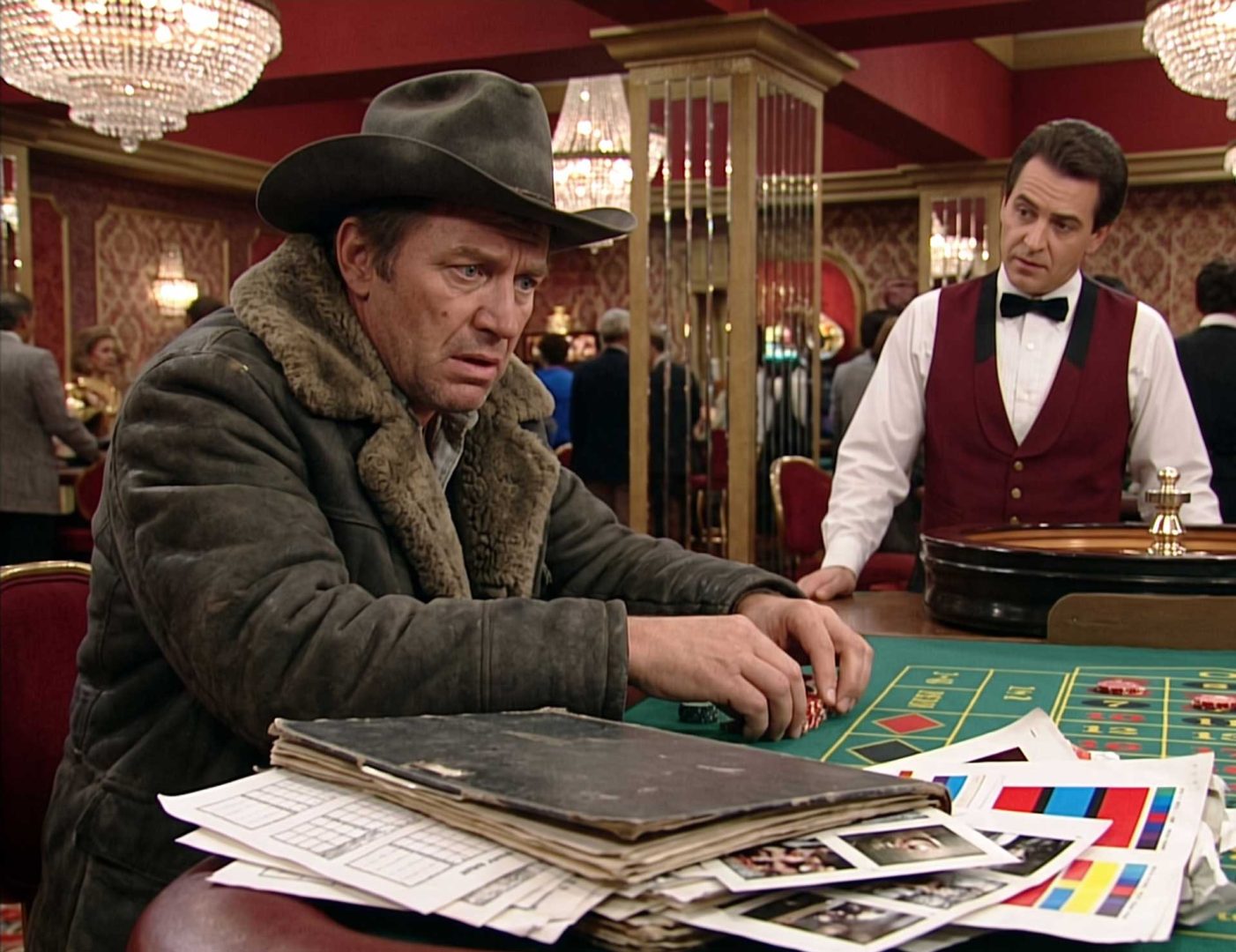
So we put our money where our mouth is. An agency might be pursuing a multiyear account. A studio, one film. A director, work that opens a different door next time. Different stakes, with different possible returns.
When an agency wins an account, it has secured funded work. That win starts another pitch: studios and directors compete to make the campaign. Again, another team pays to develop something it may never get to make.
A pitch can help us grow. Even a loss can leave a new relationship, an idea worth developing, or a door that stays open. Sometimes, just the bill. That bill comes out of the same business we’re trying to build.
“Have we drunk so much of the Kool-Aid that every bet now counts as an investment? Are we feeding the process with the very business we’re trying to grow? Are we paying to get hired?”
Our own projects—the personal work and award ambitions waiting for “when things calm down.” Conferences. Meeting people. Hiring better talent. Training our team. Better hardware, better software. Bringing someone in to develop new business.
Those are ways to build our ability to do better work. We need the work. We want the opportunity. So we keep pitching.
Have we drunk so much of the Kool-Aid that every bet now counts as an investment? Are we feeding the process with the very business we’re trying to grow? Are we paying to get hired?
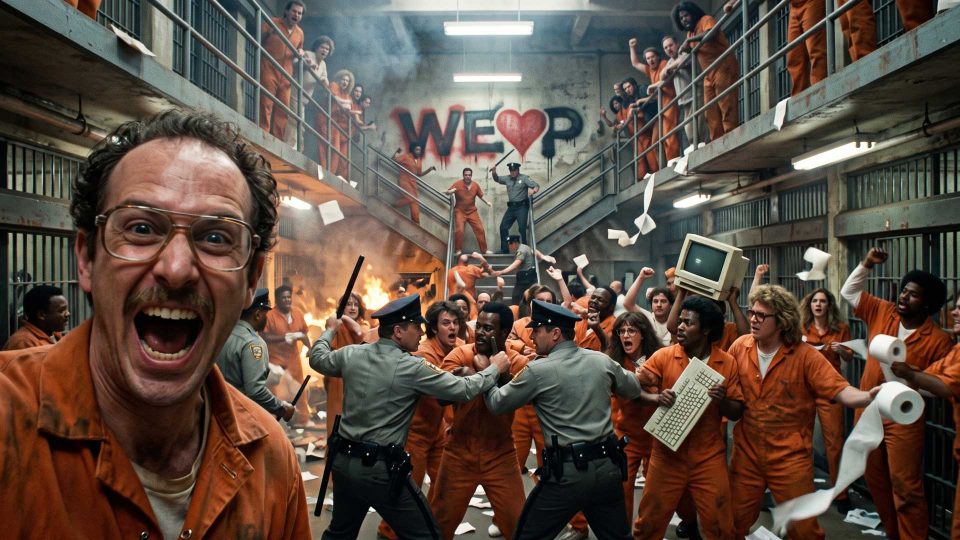
WE LOVE PITCHING
Let’s change the way we play the game.
—
* We use 30% as an illustrative working reference, not a universal studio benchmark. SCOPEN reports pitch win rates of 32.5% among creative companies surveyed in Chile and 37% in its Spanish comparison—roughly one win in three.
Sources: SCOPEN / Cámara de Empresas Creativas de Chile, study conducted in November 2024 and published in January 2025. IAPI’s Census 2025 provides additional context on the time and money spent pitching; it is not the source of the 30% assumption.
Follow Claus on LinkedIn and Instagram.
WE LOVE PITCHING: Let’s change the way we play the game.
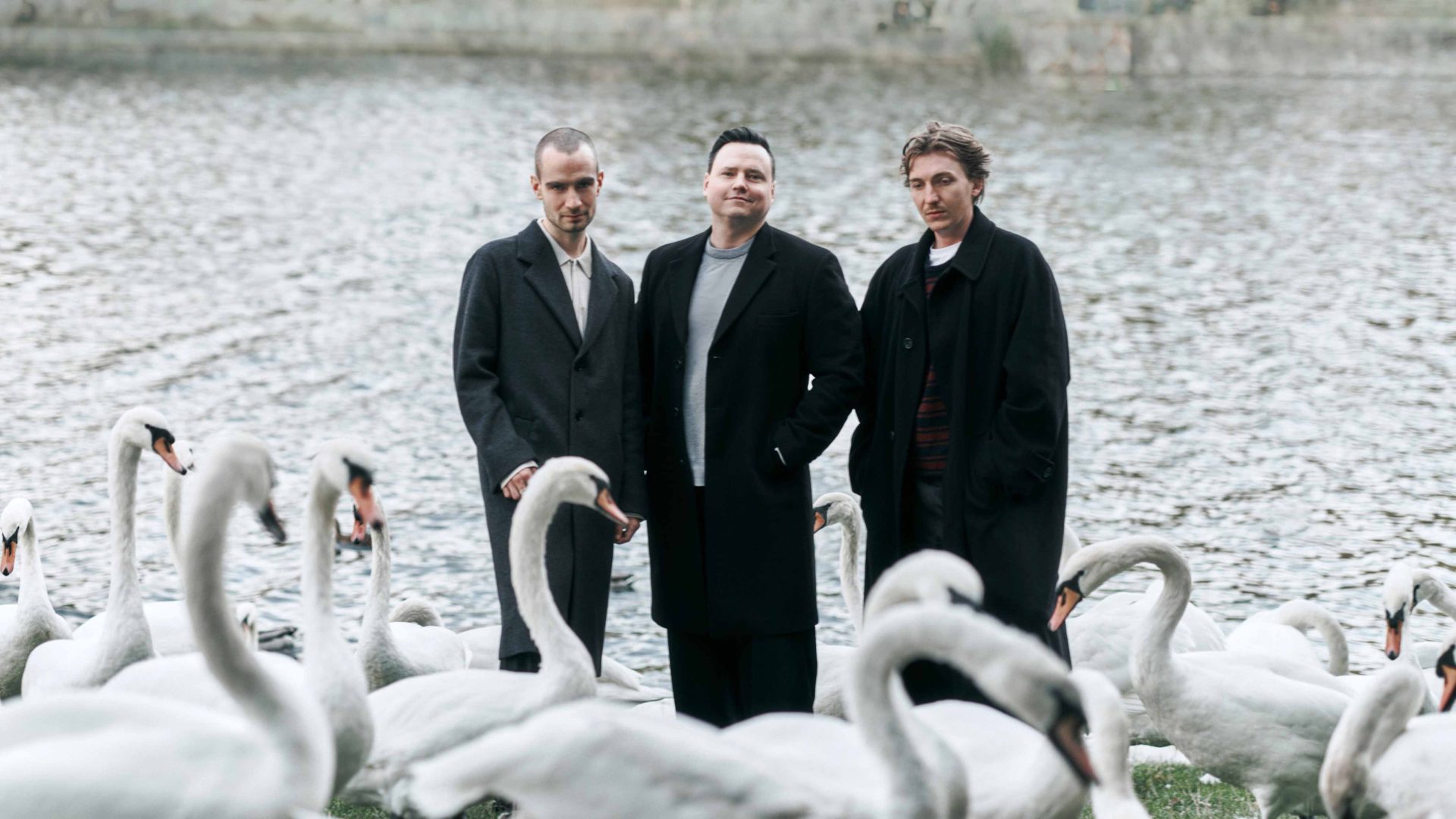
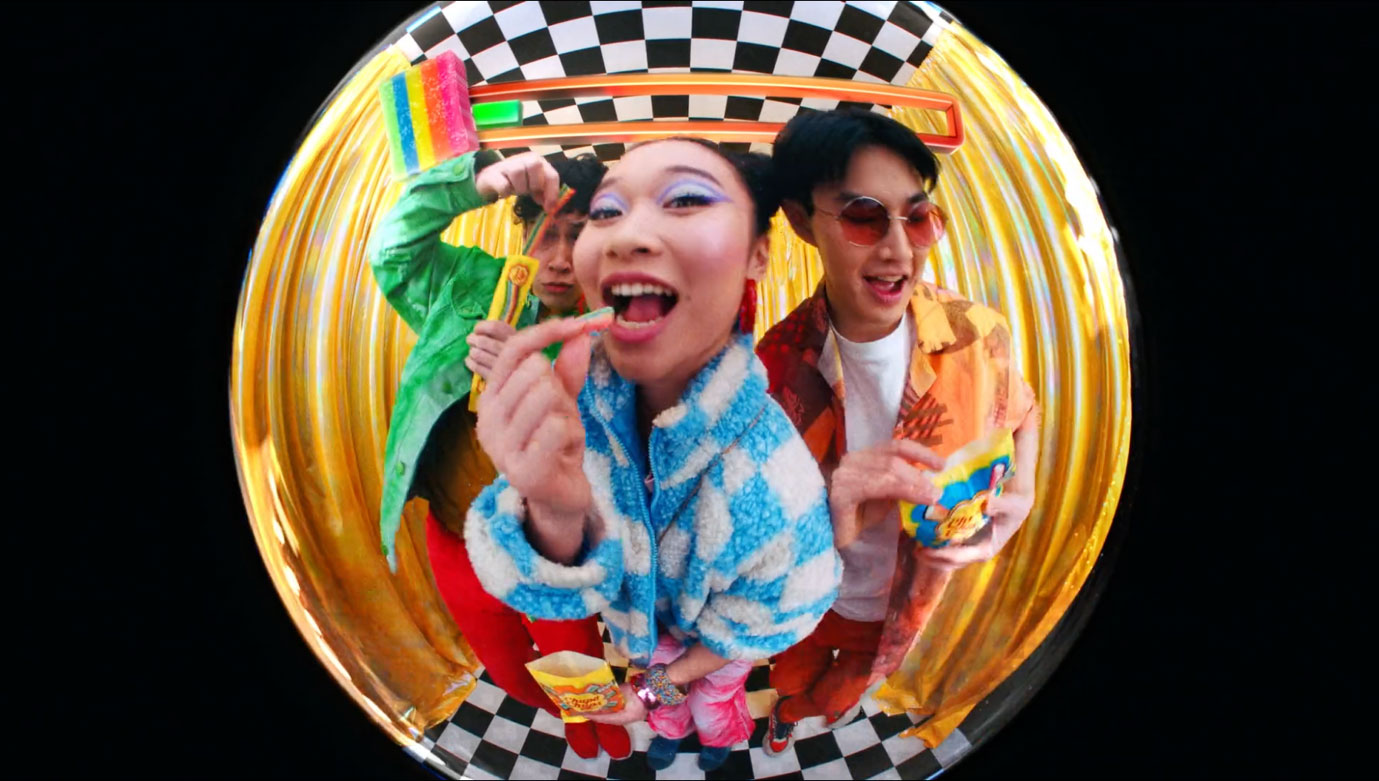
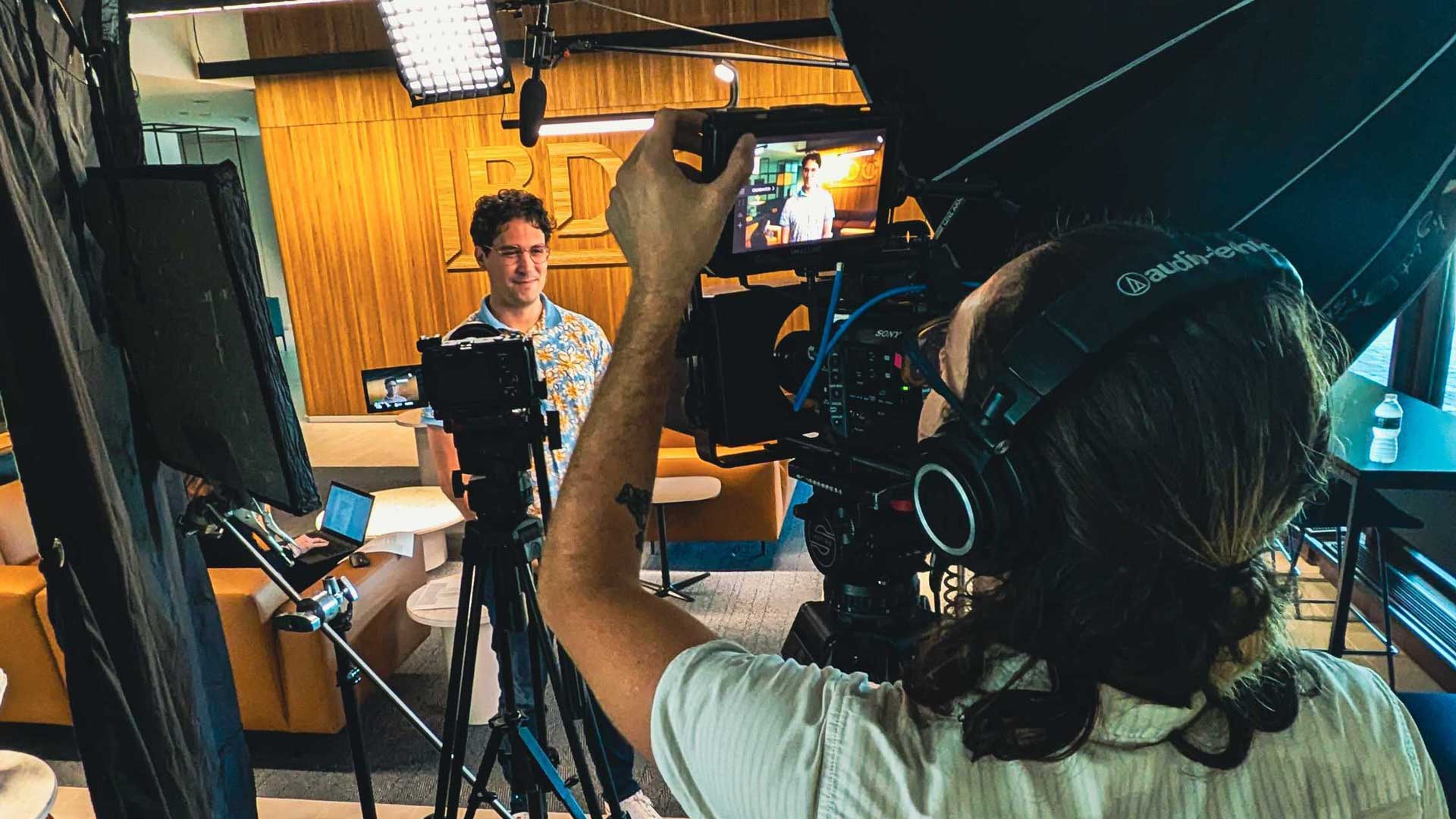
DISCLAIMER: All images are AI-generated. If it feels real, uncomfortable, or a little ridiculous, it’s intentional. Artificially made. Human crafted.