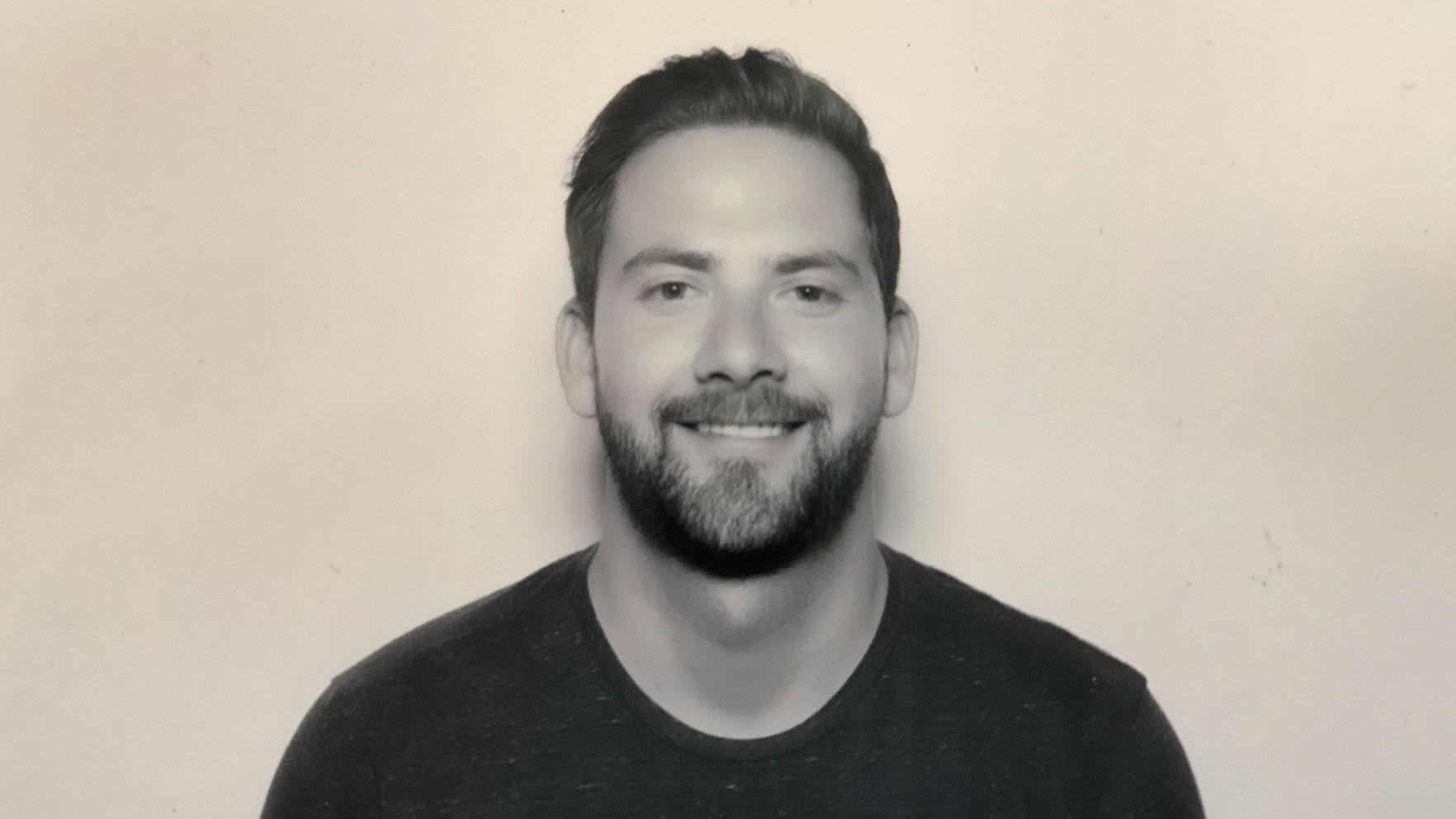

Vagrants Appoints Paul Muhlbach EP of Partnerships
October 27, 2026
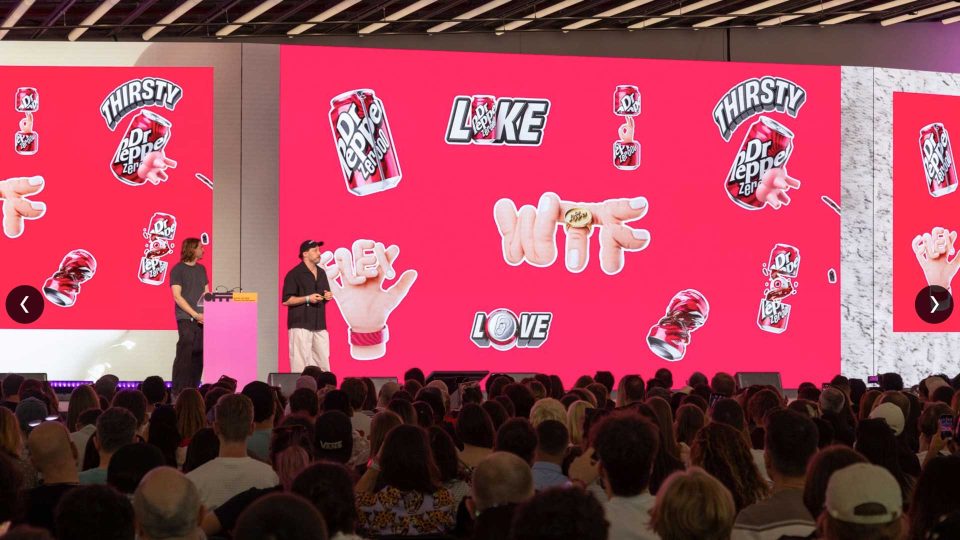
OFFF Barcelona serves up a feast of real-time creative interactions, and when asked to choose my favorites, I always mention the press interviews I have the privilege of conducting in the quiet of the green room.
This is the second of the follow-ups from the 2026 event, a no-BS Q&A with Dirk Schuster, co-founder/ECD at German CG motion studio FOREAL, who leaves design-speak platitudes aside and leads instead with real-world production/strategic insights.
Dirk Schuster: Style. I think a recognizable visual voice will be more valuable than it was even two years ago. For studios and artists, the opportunity is to invest in look development, experiment more, develop something that’s actually yours.
Flexibility and craft still matter, and you still need a strong concept underneath all of it. But a sharp idea paired with a distinctive aesthetic is what gets remembered now. The bar for “fresh and unseen” just got a lot higher because everything average got easier to make.
“What I’d love to leave behind is the pure execution gig, where the work is already designed somewhere else and we just render it out. We’re good at it, but it doesn’t grow anything.”
The economy more than AI. We’re in a recession, agencies are going under at record numbers and marketing budgets are getting cut. Brands that used to commission big productions are going inward, building in-house teams, or accepting smaller, faster, cheaper.
More projects where there’s actual room to explore. Briefs that aren’t locked down and where the client trusts the process to find something interesting on the way. We are planning to push more studio-owned work this year for exactly that reason, it’s the easiest way to keep the experimental style alive.
What I’d love to leave behind is the pure execution gig, where the work is already designed somewhere else and we just render it out. We’re good at it, but it doesn’t grow anything.
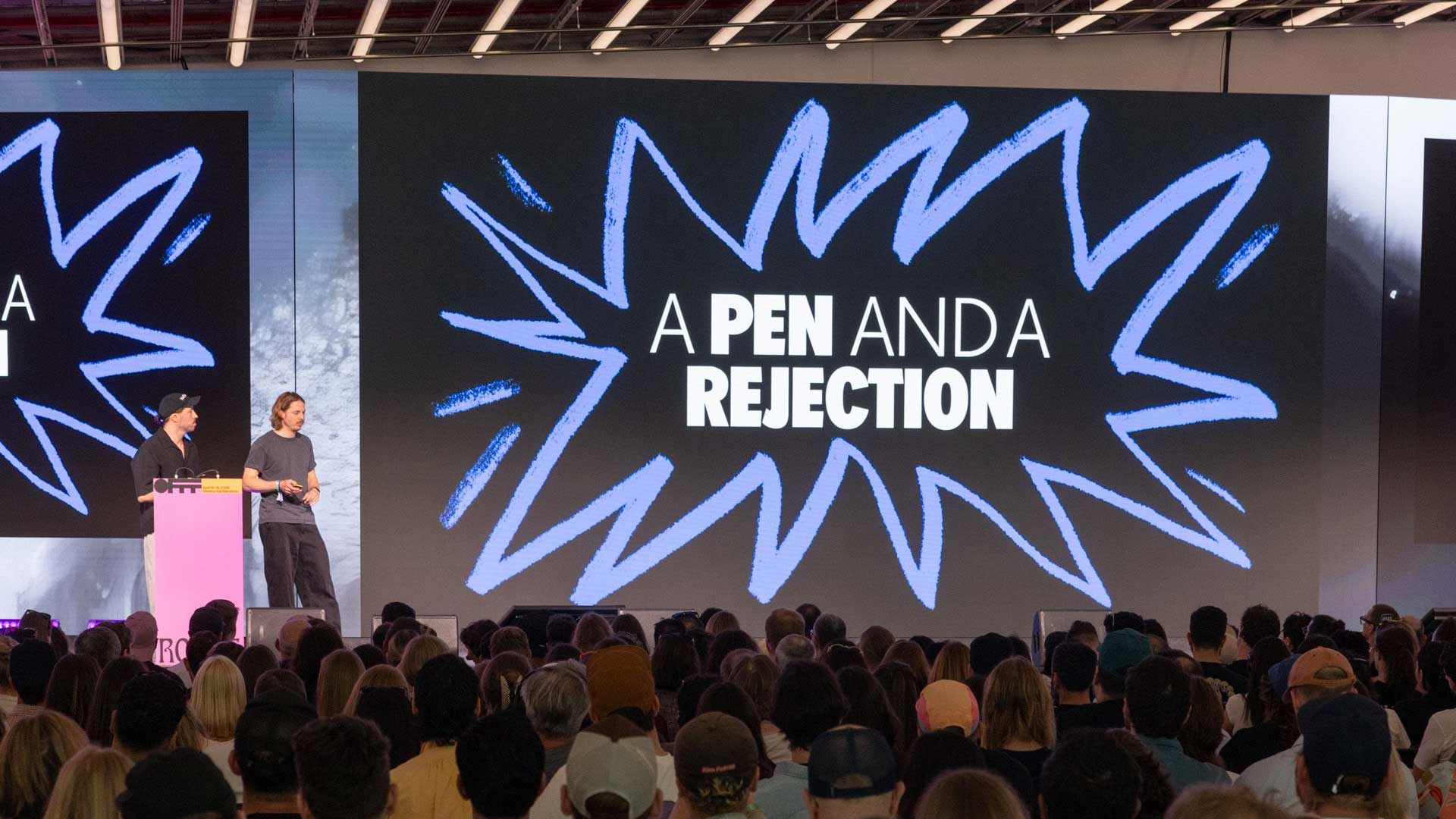
Dirk Schuster and fellow FOREAL founder/CD Benjamin Simon on stage at OFFF Barcelona 2026
Two things. First, clients (in this case agencies!) now show up with AI-generated moodboards and references, which has actually narrowed the clients openness to other directions or even exploration. They’ve fallen in love with a specific look before the briefing even starts, and pulling them off it is harder than it used to be.
Second, schedules have gotten tighter, even by motion design standards. Everyone got more efficient because they had to, and most things still hit the deadline. But the last 10% of polish is usually the thing that gets cut.
For the creative process it’s mostly ideation, moodboards, and sometimes early asset generation. Basically the noisy beginning of a project where you want to iterate fast and try a lot of bad ideas to find the good ones.
On the business side it’s been surprisingly useful for paperwork: contracts, briefings, structuring information. The final output of a project is still 100% our hands. That’s the line we don’t cross, because it’s the only one that actually matters to us.
“By end of 2027 there’ll be a clear split between studios that figured out how to use AI as a real tool without losing their own voice, and studios that either fully outsourced their process to it or refused to touch it at all.”
Production planning. We had a short-notice request from a client recently and threw everything at an AI: project scope, working days, freelancer availabilities, deliverables, dependencies. It came back with a complete, detailed production schedule we could actually share with the client.
Not the glamorous AI use case anyone talks about, but it saved us a full day of admin work and we didn’t miss a single dependency. The fact that the most useful AI moment for us was logistics and not visuals says a lot about where the real value is right now. (Also it helps with sharpening answers for a interview like this, obviously).
My bet: By end of 2027 there’ll be a clear split between studios that figured out how to use AI as a real tool without losing their own voice, and studios that either fully outsourced their process to it (and produce generic AI output) or refused to touch it at all (and got too expensive to compete).
The boring middle disappears. Teams stay small, freelancers do more of the heavy lifting, and the studios that survive are the ones with the strongest creative point of view, because that’s still the thing AI can’t fake.
Follow Dirk Schuster and FOREAL on LinkedIn and Instagram