




Meet PATHOS, the New German Agency With Plenty of Attitude (and a Really Long Press Release)
October 20, 2026
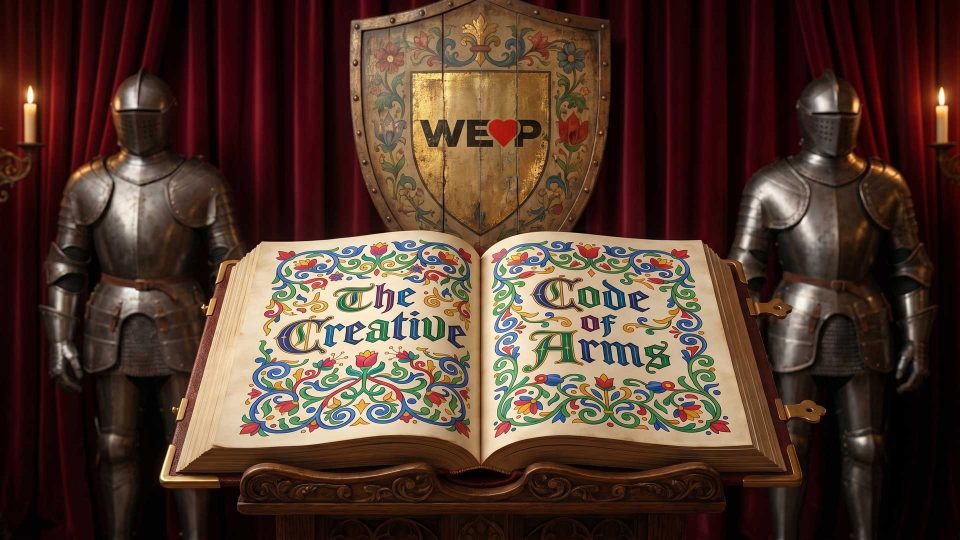
In this week’s installment of his weekly series of Stash editorials, Nerdo ECD Claus Cibils looks at the true cost of creative pitching in terms of money, time, attention, mental space, well-being, and respect.
If you haven’t stayed up late perfecting a deck, fixing layouts, adjusting commas and kerning, feel free to cast the first stone.
There’s a persistent belief in the creative industries: to win, you must earn it through blood, sweat, and tears. A modern-day odyssey where Homer is a creative running on a tenth coffee and the last working brain cell.
And yes, pitching takes commitment and long nights. It is part of the job, they say, and when the project is right, somehow you forget the 96 hours straight to delivery.
But there is a difference between a once-a-year masochistic PITCH, in all caps, and working long, unsustainable hours week after week just to stay relevant and in the game. The problem is not that pitching requires extreme commitment. The problem is that everything needed to make it happen is treated as if it has no value.
“Win, maybe. Get paid, not likely. Get burnt, for sure. That is the business model nobody wants to call a business model.”
The truth is that everybody has bills to pay. Clients, agencies, studios, directors, and freelancers definitely do. Then a pitch arrives. Suddenly, the industry forgets and behaves as if salaries, rent, existing projects, and paying clients have disappeared.
We are all expected to drop everything. Find the idea. Build the deck. Make it beautiful. Make it better. Deliver it in four days.
Win, maybe. Get paid, not likely. Get burnt, for sure. That is the business model nobody wants to call a business model.
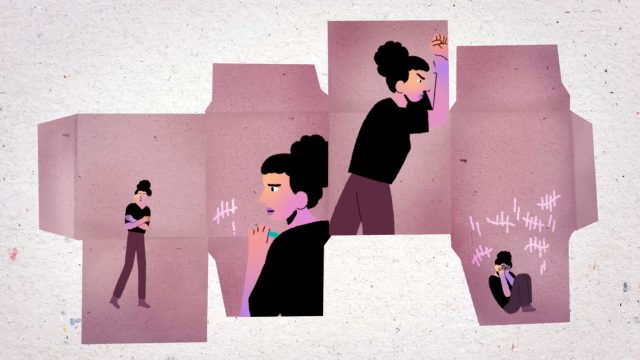
The thing is, pitching is not free. It is simply funded by the people doing the pitching. And the bill is not only financial. It is paid in time, attention, mental health, energy, morale, and the quality of thinking left for everything else.

If a team is constantly pitching, when does it properly think about the work already commissioned? As the pitch moves downstream, the bill becomes harder to absorb.
A large agency may carry it as business development. A smaller studio may pull people away from active projects. A freelance director may give away days or weeks of labor while turning down the work that keeps the lights on.
How that bill is acknowledged, funded, and distributed is where respect becomes measurable. Respect in pitching is structural. It begins before anyone opens the deck.
“Every pitch creates a bill paid in money, time, attention, mental space, well-being, and respect.”
Clients must budget for the level of commitment they request. Agencies must stop quietly passing uncovered costs downstream. Studios, directors, and creative partners must be honest about what they can realistically carry.
Creativity is not charity. Neither is the labor behind it.
That is the Code: Every pitch creates a bill paid in money, time, attention, mental space, well-being, and respect.
Respect means making the complete bill visible and building a process that protects the people, businesses, existing work, and clients affected by it.
Clients, agencies, studios, directors, and creative partners must each take responsibility for the conditions they create, accept, and pass along. We would all love to win the project. But first, we gotta pay the bills.
Follow Claus on LinkedIn and Instagram.
WE LOVE PITCHING: Let’s change the way we play the game.
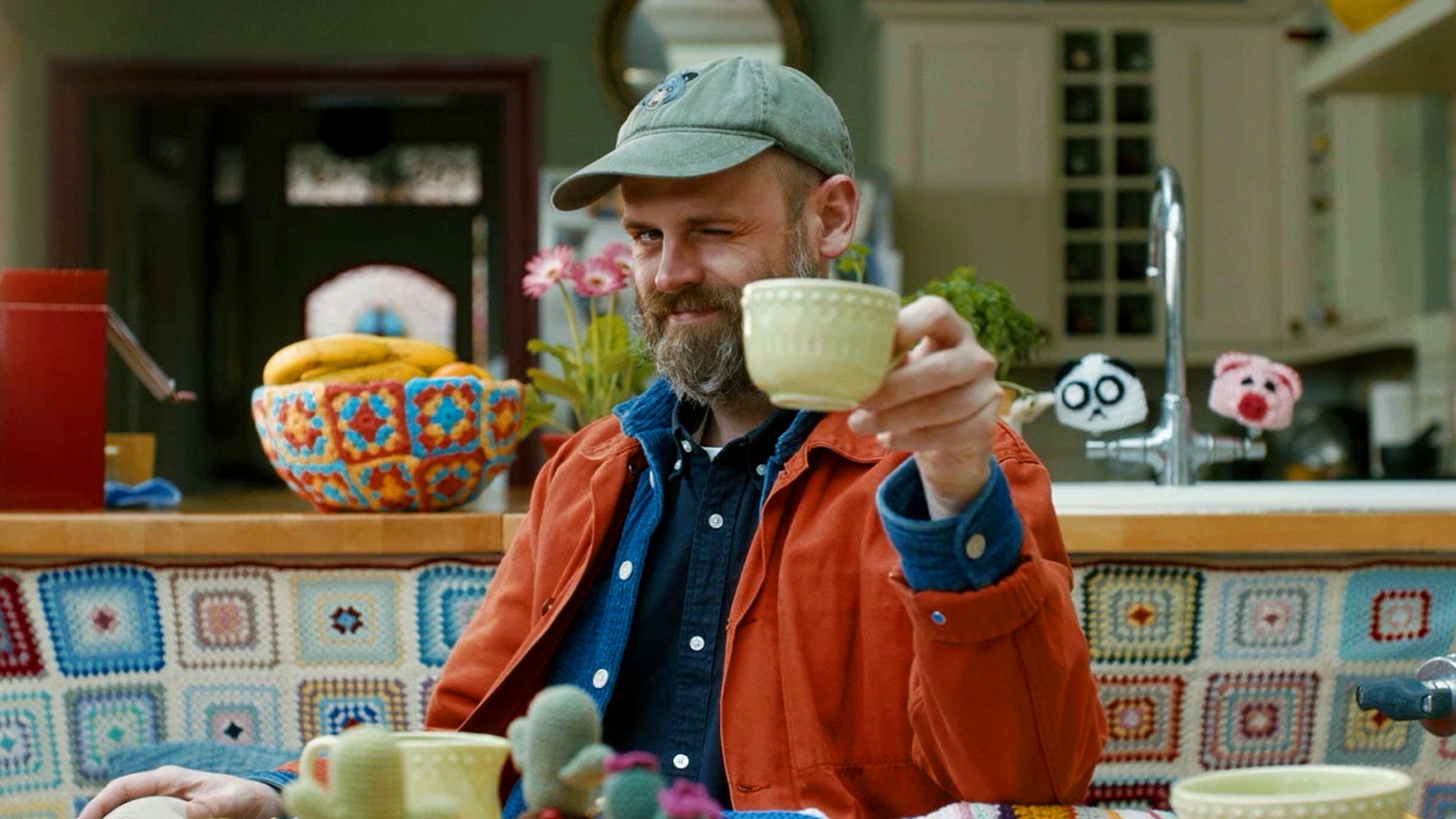
DISCLAIMER: All images are AI-generated. If it feels real, uncomfortable, or a little ridiculous, it’s intentional. Artificially made. Human crafted.