Demo Duck Expands Offerings with ‘DD Docs’
October 15, 2026
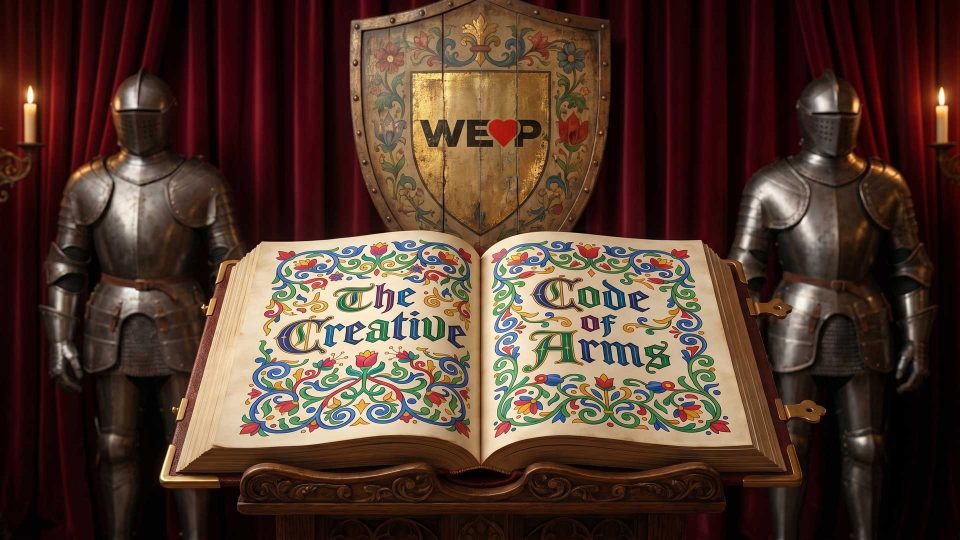
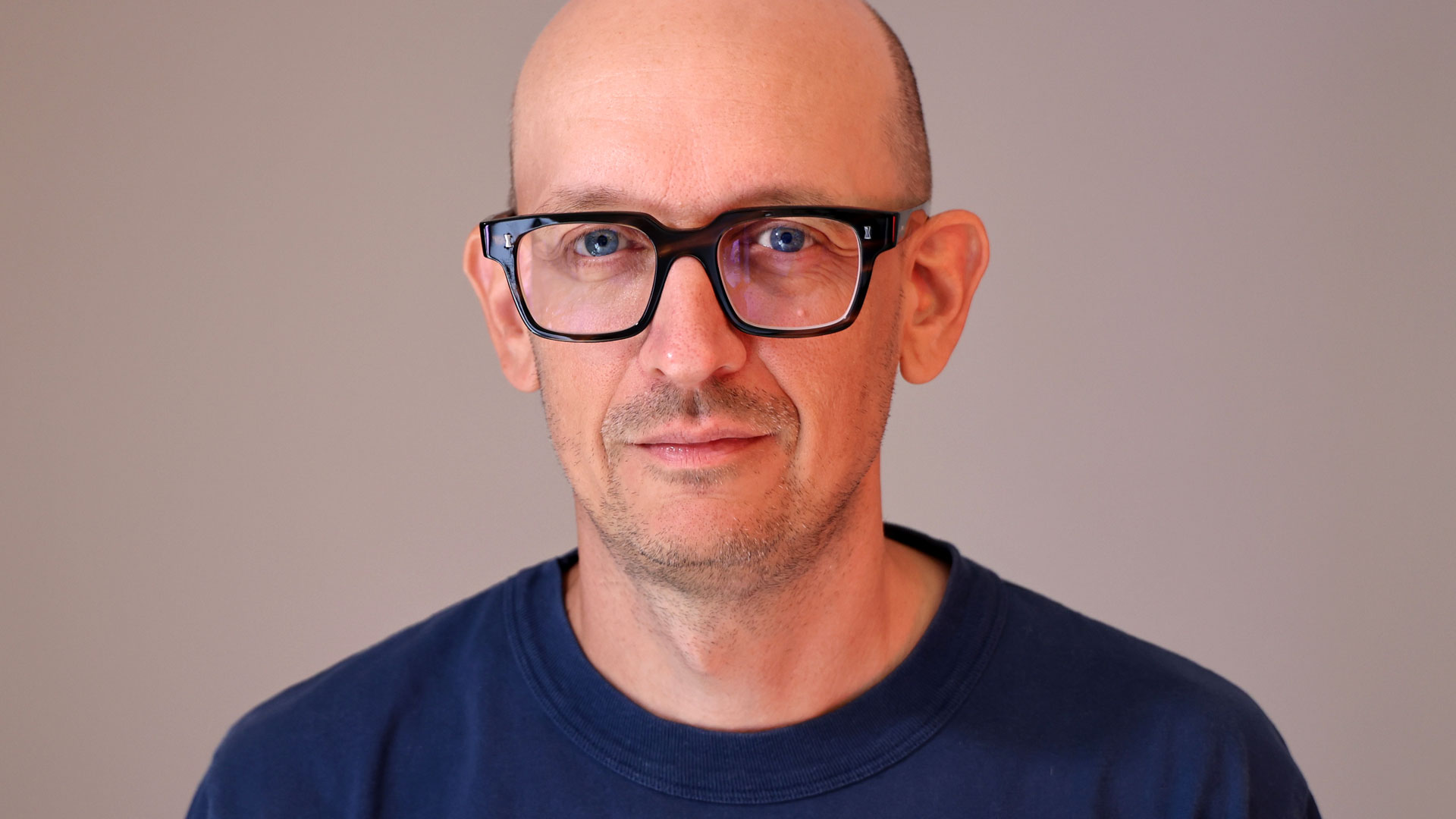
Sharing is Caring. That is the timely theme of this week’s editorial from Nerdo ECD Claus Cibils in his ongoing series of Stash editorials examining the complexities, relationships, and opportunities of the creative pitching process.
“Normal” people dream of fame, fortune, and going viral. Some even dream of being born into a nepo-baby life, which frankly sounds efficient. “Creative” people, well, we dream differently. We dream of making as many unicorns as we can. That’s for sure. But the daily dream is much more basic.
We just want to create in peace: A clear brief, a production budget that matches the ask, only two other studios competing, a timeline that respects our personal lives, and unlimited touchpoints with the agency and client.
And, if you catch us feeling particularly frisky, a paid pitch. A modest dream. Almost suspiciously reasonable. And somehow, it still feels utopian.
“Sharing is professional transparency. It means putting all the relevant facts on the table and building enough trust to push the work further.”
None of these conditions require a revolution. They require the people holding the information to share it openly. That is what Sharing Is Caring means here. Sharing is professional transparency. It means putting all the relevant facts on the table and building enough trust to push the work further. This is how real partnership begins. This is how collaboration becomes more than a meeting on the calendar.
One thing that has always struck me is that the first formal step in almost every process is an NDA defining what cannot be shared. Fair enough. That should mean we are about to receive a ton of valuable, highly sensitive information, the kind that could compromise an entire campaign, product launch, or business strategy if disclosed.
Everyone signs the NDA. Everyone agrees to confidentiality. Everyone is invited into the process. And still, the NDA makes what creators owe the process explicit while leaving what the process owes the work undefined. Information is part of the working material.
When it is incomplete, assumptions replace facts. Teams start guessing what can be spent, built, delivered, and judged. The work drifts away from the real problem, and time that should be spent solving it is spent guessing.
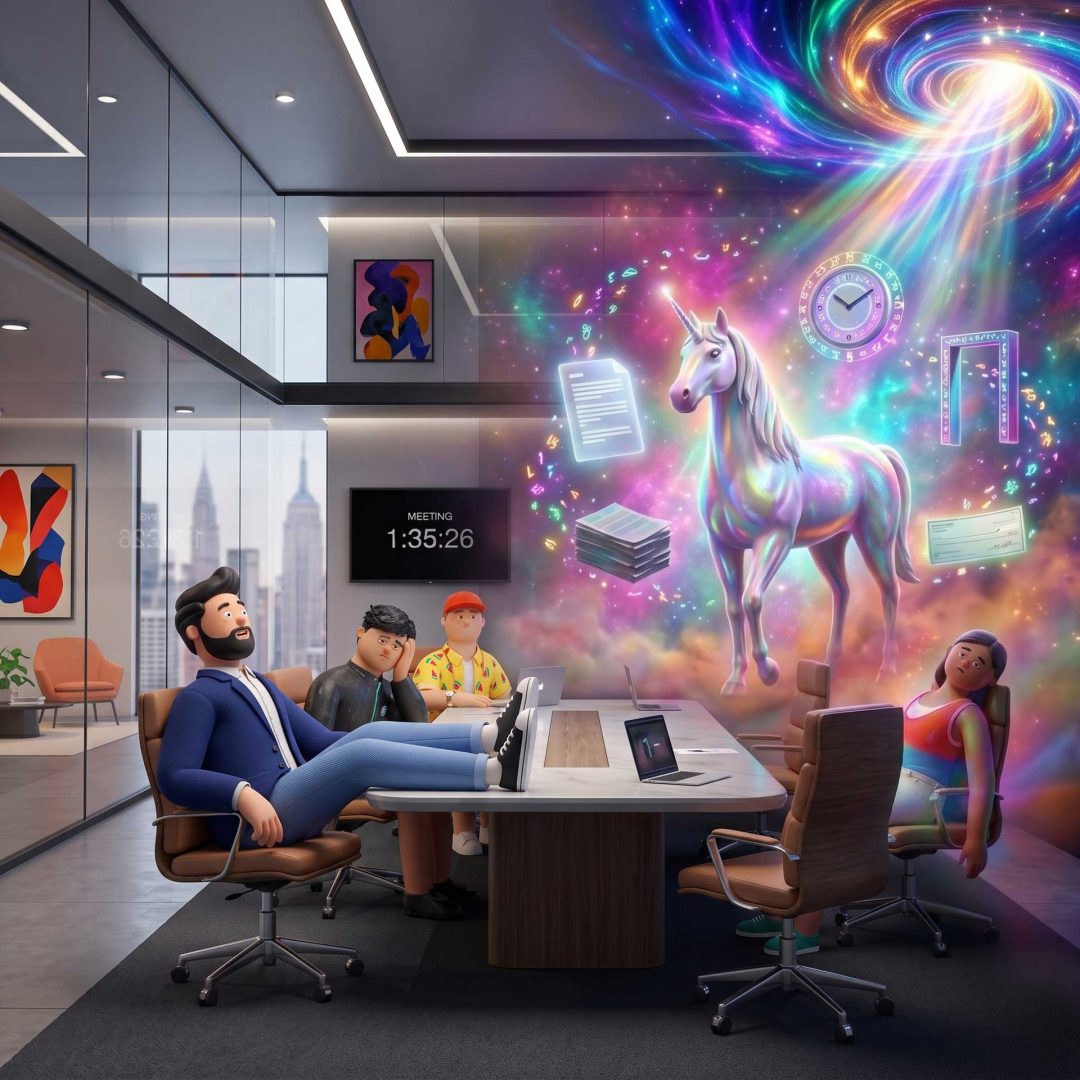
But “missing” information is only part of the problem. In a competitive pitch, information can exist and still be unevenly shared. One team gets the updated budget. Another learns that the deadline moved. Someone else finds out who is actually making the decision. Everyone is in the same pitch, but some are already playing with an advantage.
When access depends on proximity, persistence, or leverage, information becomes part of the competition. That is not a fair fight. Only ideas should compete, not levels of access. When an answer changes the pitch, it belongs to the whole field, not only to whoever asks first or has the “better producer.”
The WLP dream is simple: Everyone enters the same pitch under equal conditions. The ideas will be different. The information should not be.
“When access depends on proximity, persistence, or leverage, information becomes part of the competition. That is not a fair fight.”
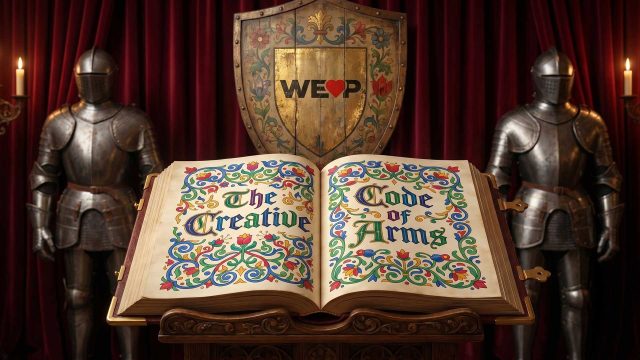
That is the Code:
Share the whole picture before the work begins: The brief, budget range, scope, timeline, who else is pitching, who decides, and how the work is judged. Keep it current in one protected place, where everyone receives every change and, eventually, the result.
If you run the pitch, share it. If you sit in the middle, get the missing answers and pass them on. If you enter the pitch, ask what is missing before you commit.
– Creative ideas stay protected.
– Pitch conditions stay visible.
– Confidentiality safeguards the work.
– Equal access keeps the competition fair.
– Because Sharing Is Caring.
WE LOVE PITCHING
Let’s change the way we play the game.
Follow Claus on LinkedIn and Instagram.
WE LOVE PITCHING: Let’s change the way we play the game.
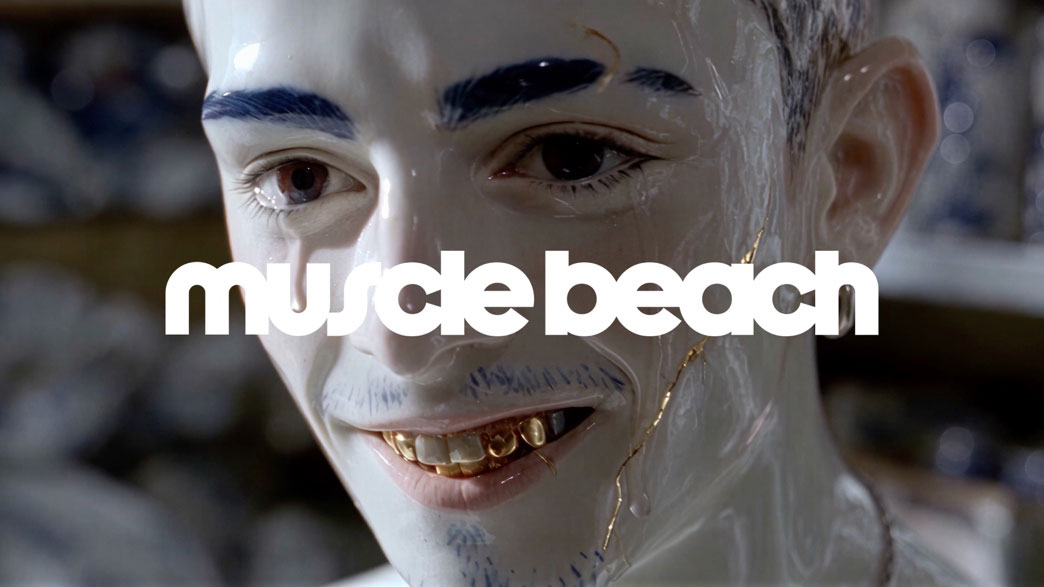
DISCLAIMER: All images are AI-generated. If it feels real, uncomfortable, or a little ridiculous, it’s intentional. Artificially made. Human crafted.