






Fight for Kindness Poster Exhibits Launch Nov 13 in 5 Cities
October 22, 2026

Nerdo ECD Claus Cibils explores the underlying (and deeply human) elements of respect and rejection as they relate to the creative pitching process, in the latest chapter of his series of Stash editorials.
Rejection is hard. It is one of the hardest things we deal with as humans, because somewhere, somehow, someone didn’t choose you. The deeper part is worse: rejection can make you question whether you are good enough in the first place.
Pitching is the best and worst place I know to face rejection. It tests how Zen you really are with that feeling. How well you can take the hit. How much you can let go. How fast you can get back up.
What breaks me is not losing. It is the silence. The ghosting. The missing empathy. The lack of respect. Throughout the entire process.
You find out you are not shortlisted because the “you made it” email never comes. The default is silence. And when you actually do get to pitch, and don’t win, it does not improve much. At best, you receive an extremely polite mystery.
“Rejection is hard. It is one of the hardest things we deal with as humans.”
Thank you for the time. Thank you for the energy. Thank you for the passion. Thank you for the wonderful work. Everyone was impressed. The decision was difficult. The conversation was exciting.
Then, right when the email looks ready to say something useful, it disappears into the five safest words in the business: We – went – in – another – direction. Cool. Which direction?
This is where the entire process needs attention, and where partnership earns or loses its meaning. Each stage deserves a real ending. When teams are invited to send reels, the ones that do not make the cut should receive a respectful no with a few honest lines.
Thank you. Not the right fit this time. Here are two lines on why. If the team running the process cannot handle that, maybe too many people were invited in the first place.
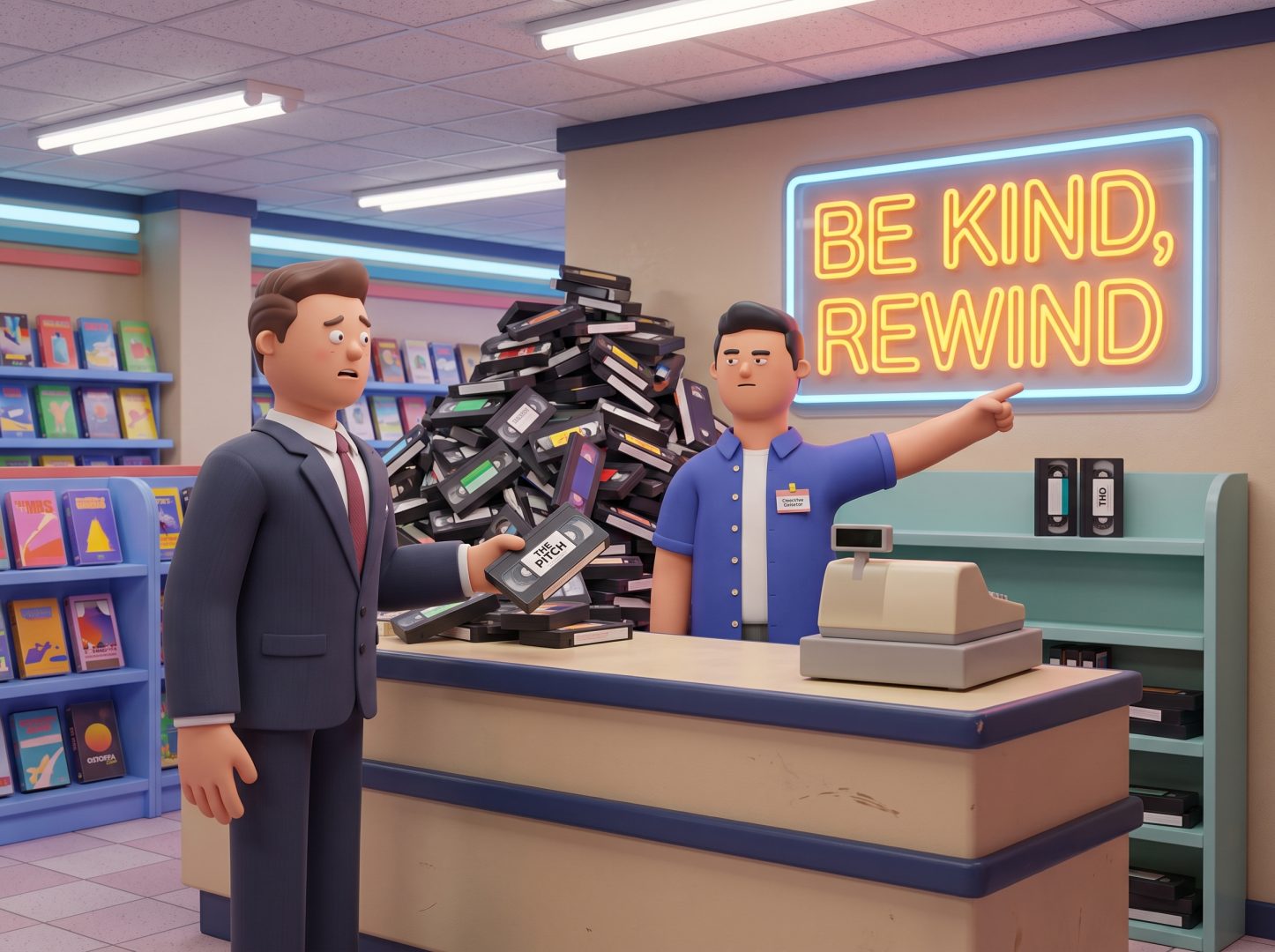
For the teams that make it to the pitch, the standard changes. “Four days of work” deserves more than one empty sentence. They deserve a proper debrief. Not to change the decision. Not for applause. Not for consolation. Not a fake participation trophy for adults.
One hour. Maybe two. At minimum, acknowledge that the work happened. Explain what worked. What did not. What the deal breaker was. What each team can actually take from the process. And why the decision went the way it did.
And when that work is unpaid or paid, rushed, and intense, the least the process can return is a useful ending. Professional decency. Nobody is asking clients or agencies to expose confidential information. But there is a huge distance between sharing everything and sharing nothing.
“Clear feedback stops the guessing. It gives those who didn’t win a clear reason and something useful to carry into the next pitch.”
That is the Code:
• Pitching is work, not a favor.
• Each stage deserves a real ending.
• At the reel stage, that means a respectful “no” with a few honest lines.
• After a full pitch, that means a proper debrief.
• Every unsuccessful participant deserves a timely, honest, and useful response after the decision.
Clear feedback stops the guessing. It gives those who didn’t win a clear reason and something useful to carry into the next pitch. And for the people making the decision, feedback creates accountability too. It forces the room to name the reason, not hide behind instinct.
A pitch should not end with everyone pretending the effort was invisible. Give people enough truth to understand the end, carry the lesson, and make the next pitch stronger.
Be kind. Rewind.
WE LOVE PITCHING
Let’s change the way we play the game.
Follow Claus on LinkedIn and Instagram.
WE LOVE PITCHING: Let’s change the way we play the game.
DISCLAIMER: All images are AI-generated. If it feels real, uncomfortable, or a little ridiculous, it’s intentional. Artificially made. Human crafted.