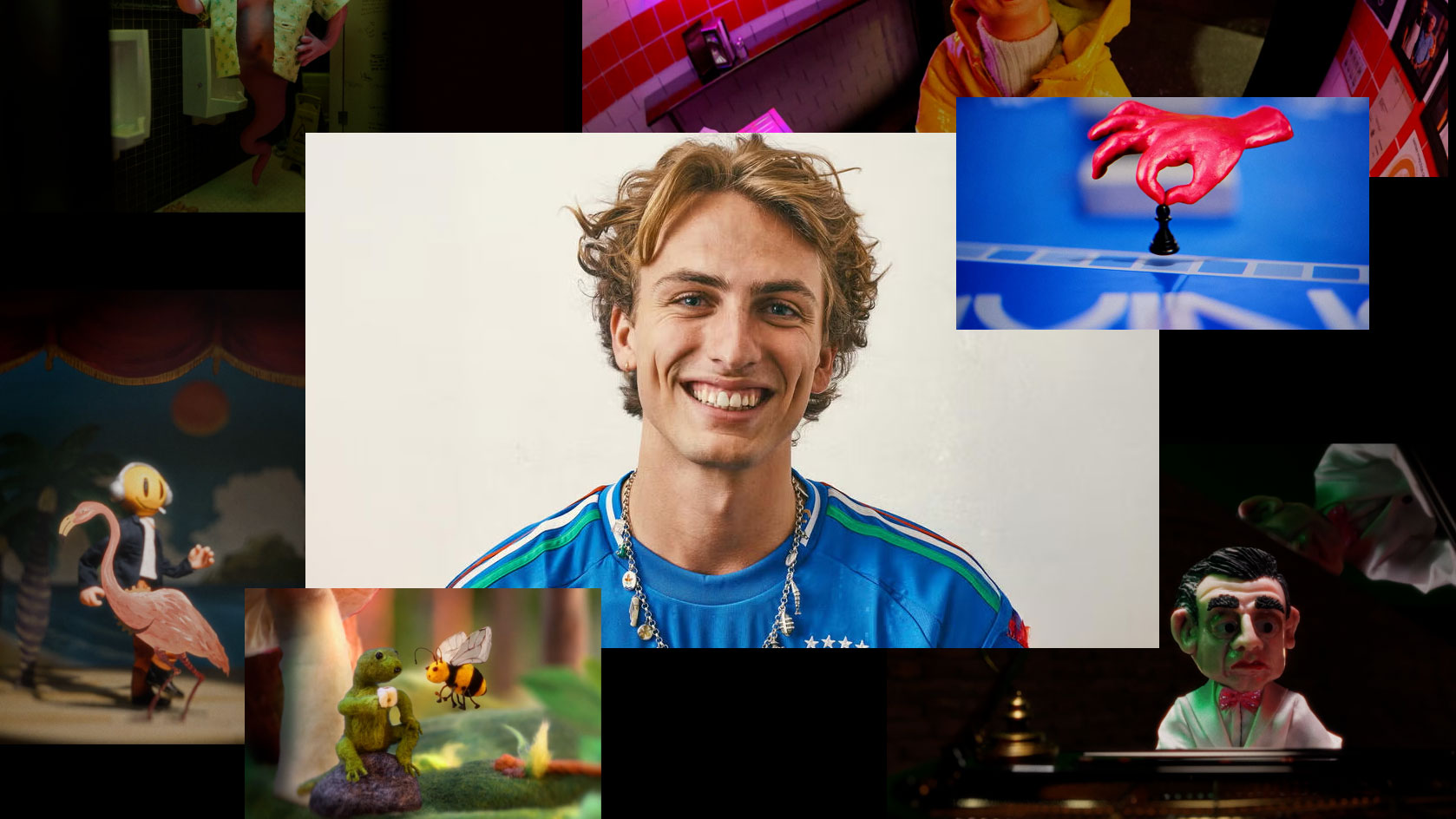


World War Seven Signs Stop-Motion and Animation Studio Starburns Industries
November 10, 2026
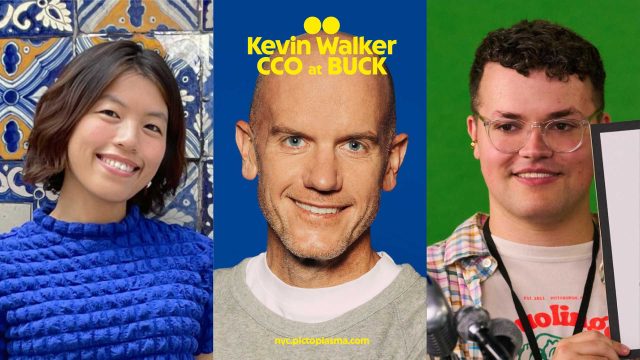
Nerdo ECD Claus Cibils wraps up his passionate and thoughtful series of a editorials on the challenges of the creative pitching process, a 24-part opus fueled by two decades of experience in the motion design and animation industry.
Congratulations! We finally fixed the pitching system. Clients, agencies, creators. All aligned. One beautiful workflow. Transparency, honesty, and respect are now the industry’s core values.
Every brief spotless. Budgets on the table. Ten days to pitch. Multiple creative touchpoints are mandatory. Collaboration is blooming. MNDAs are the cross-industry standard. Even the postmortems for losing teams have a functioning structure.
And, drumroll, please… Every pitch is paid. Creators keep ownership of their ideas when they don’t win. 11 commandments with thousands of signatures. Print it. Frame it. Hang it on the wall. Beautiful. World peace is next.
Then Monday Hits…
Subject: New Pitch – Urgent matter
Sign the MNDA. No budget assigned.
Timing:
Short list – Thursday
Brief call – Friday
Pitch deck – Tuesday am EST
Please send a couple of creative thoughts with the reels by EOD. Just so the client has something to react to. Oh, and the brief will come later.
Sure. Sounds great. But what about the WLP pact we all signed? Ghosted. Turns out printing, framing, and hanging the rules on a wall is considerably easier than following them ourselves. The embarrassing part? None of this is news.
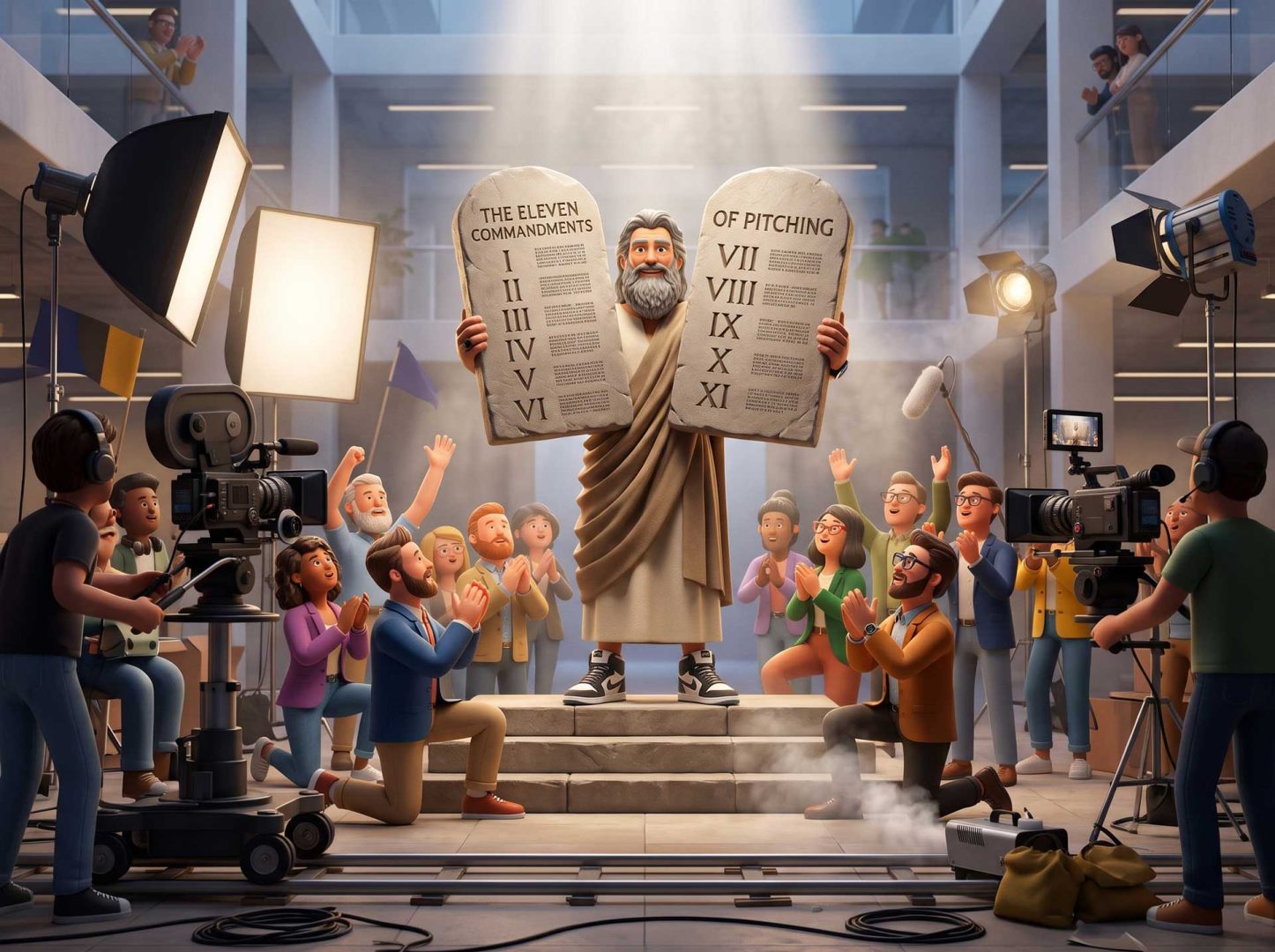
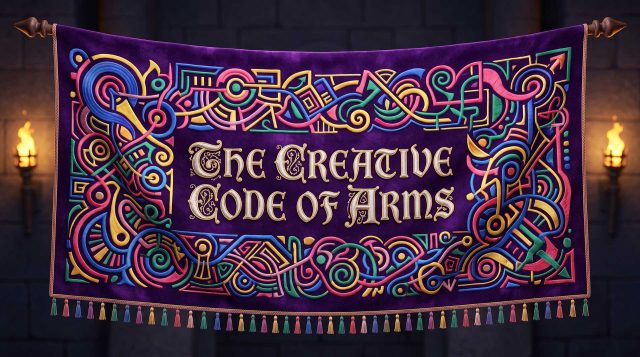
We’ve built eleven Codes calling out the mess: briefs that aren’t ready, deadlines that eat weekends, “quick thoughts” that become free creative development, and winners chosen without anyone being able to explain what actually won.
And we keep saying yes. The client wants options. The agency wants the account. The studio needs the project. The freelancer needs to pay rent. Everyone has a reason, but not everyone has the same power to push back.
Which is why signing a pact is bullcrap if the next email looks like that one. So here’s the test.
If you run the pitch, check the Code before you send the invitation. Can you explain the brief, budget, timing, decision-makers, creative access, idea protection, and how the winner will be chosen? If not, sort out what’s missing. Don’t turn your uncertainty into someone else’s unpaid homework.
If you’re the agency in the middle, don’t put a pretty subject line on a broken process. Challenge it upstream. Don’t dump it downstream.
“Challenge the Code. Disagree with it. That’s how it gets better. The principles need to hold. The way we apply them needs to evolve. Otherwise, we’ve invented a very expensive office decoration.”
If you’re invited to pitch, ask what you’re being asked to commit to. And if you have the power to change the conditions, don’t wait for the freelancer to be the brave one. But this isn’t just about surviving the next pitch.
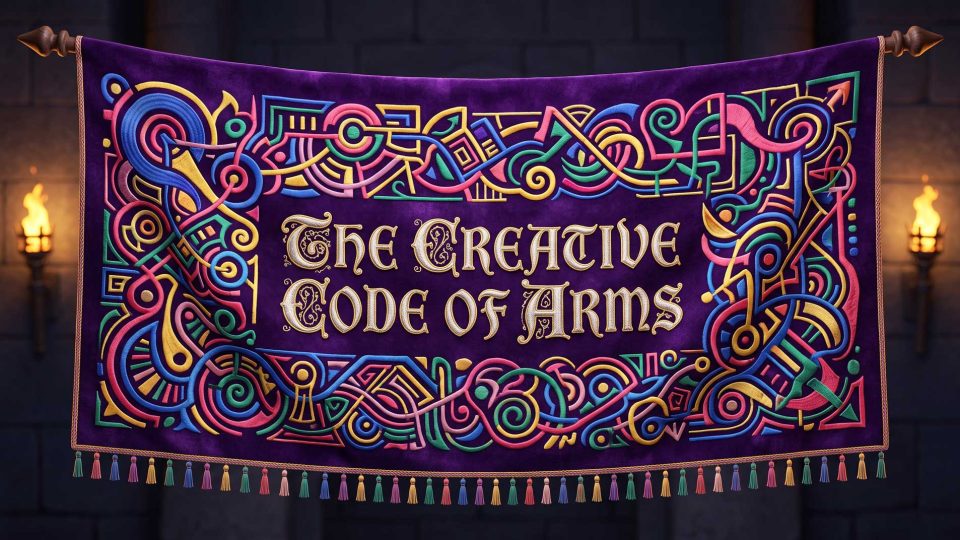
We called it a living framework because eleven Codes aren’t eleven tablets delivered from the heavens. They came from pitches we’ve won, lost, regretted, and occasionally survived by sheer stubbornness. Other people have other experiences. Good. We need them.
After each pitch, ask what held up, what fell apart, and who paid for the gap. Bring back the example. Say what should change. Try a better way next time.
Challenge the Code. Disagree with it. That’s how it gets better. The principles need to hold. The way we apply them needs to evolve. Otherwise, we’ve invented a very expensive office decoration.
That’s the Code:
• Don’t just sign it.
• Put it to work.
• Use it before the pitch.
• Test it during the pitch.
• Improve it after the pitch.
• And if something doesn’t work, help fix it.
• Make it a habit that actually changes the next invitation.
• The Code is alive.
We are all in, or we are all doomed.
WE LOVE PITCHING
Let’s change the way we play the game.
Follow Claus on LinkedIn and Instagram.
WE LOVE PITCHING: Let’s change the way we play the game.
DISCLAIMER: All images are AI-generated. If it feels real, uncomfortable, or a little ridiculous, it’s intentional. Artificially made. Human crafted.