




Electric Theatre Collective Adds Flora MacLeod as Art Director
October 13, 2026
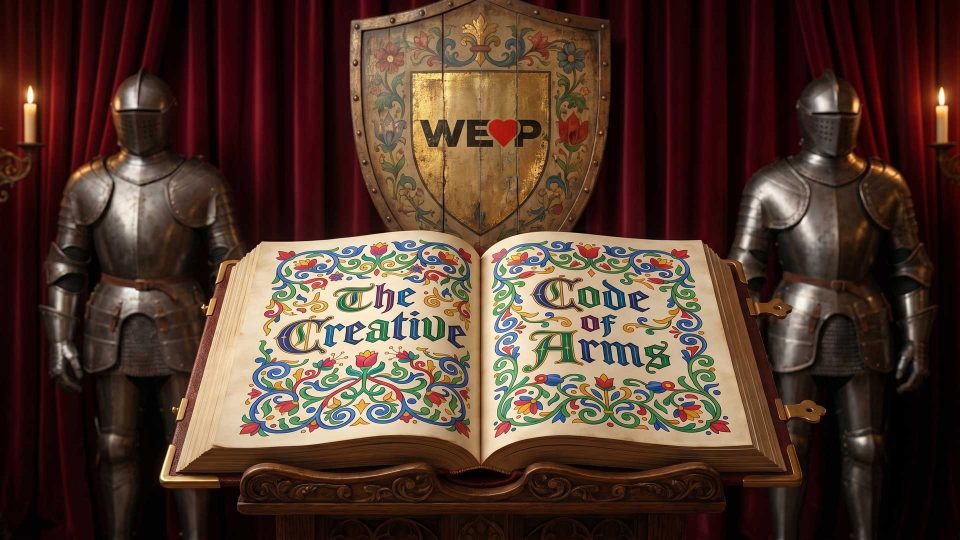
In this week’s installment of his series of Stash editorials on creative pitching, Nerdo ECD Claus Cibils considers the importance of trust as both the foundation of the process and the bond between stakeholders.
Pitching can feel like a first date, in a rom-com. The initial spark of possibility. You have been chosen. Someone saw something in you. Maybe this could become something. But rom-com dates rarely unfold exactly as expected. Pitching is no different. Trust No One.
A pitch is an act of belief. It moves in every direction, or it should.
– The client trusts the agency.
– The agency trusts the studio.
– The studio trusts the director.
– The creator trusts the room.
Everyone is asked to commit before any outcome exists. That trust system carries weight. It creates commitment, cost, belief, and risk. As teams move, time moves, energy moves, and people care.
“If pitching is meant to be a system built on trust, the foundation must be honest, transparent, and clear enough to protect the process and let the best idea win.”
So if pitching is meant to be a system built on trust, the foundation must be honest, transparent, and clear enough to protect the process and let the best idea win. For the client, that means creating space to become a more integrated part of the process and receive the best work.
For the agency, it means protecting the creative, the strategy, and the conditions long enough for the work to thrive. For the studio, director, or creator, it means knowing they are pouring heart, hours, and ideas into a real opportunity.
Trust sets the tone for respect and allows ideas to thrive. But trust is not passive. It is not smiling through missing information. It is not assuming every blank space will magically solve itself. It is not signing paperwork and pretending the process is clear.
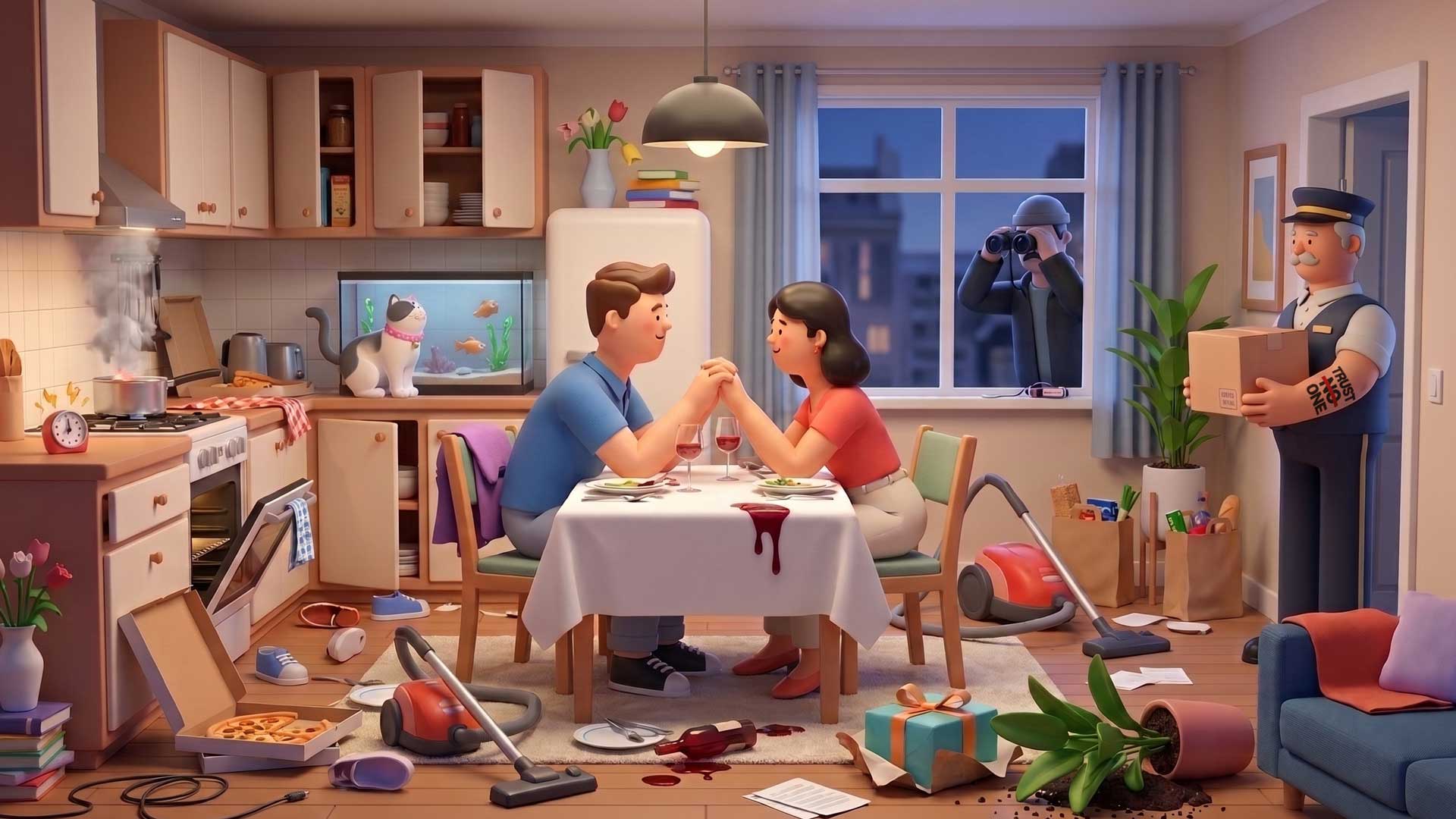
Trust also means being smart enough to ask for what is missing.
– Who else is shortlisted?
– How will the work be evaluated, and when will the decision be made?
– How fixed are the creative criteria?
– What are the final timing, production budget, and pitch fee?
– Who is the right MNDA contact?
– How many creative checkpoints are built in before pitch delivery?
– What matters most to the client in the final decision?
“Trust, honesty, and openness are the foundation of a fair pitch. No one can promise the win. But the system can promise a legitimate fight.”
Those, or any questions, are not resistance. They are accountability. Because selection should be based on potential. If the work cannot realistically change the expected outcome, the pitch is not a competition. It is theater.
And theater is expensive when everyone else thinks they are playing a real game.
– The possibility has to be real.
– The room has to be movable.
– The decision has to be alive.
That is the Code:
Every process must create enough room for the best idea to win. Trust, honesty, and openness are the foundation of a fair pitch. No one can promise the win. But the system can promise a legitimate fight.
Follow Claus on LinkedIn and Instagram.
WE LOVE PITCHING: Let’s change the way we play the game.
DISCLAIMER: All images are AI-generated. If it feels real, uncomfortable, or a little ridiculous, it’s intentional. Artificially made. Human crafted.